What is a 180 Rotation Rotary Actuator and How Does It Work?
The 180 Rotation Rotary Actuator is a crucial device in many mechanical systems. It converts electrical energy into rotational movement, allowing for precise control. These actuators are commonly found in robotics, automotive applications, and industrial machinery.
Understanding how a 180 Rotation Rotary Actuator works can reveal its importance. The mechanism typically includes a motor and gearing system. This design enables smooth operation within a 180-degree range. Often, engineers may overlook the complexities involved. The actuator must withstand various forces while maintaining accuracy.
Failures in these systems can lead to significant operational issues. Regular maintenance and careful design considerations are essential. Users need to be aware of potential limitations. Sometimes, minor adjustments can improve performance. The 180 Rotation Rotary Actuator demonstrates the balance between function and reliability. Analyzing it can provide insights into broader mechanical applications.
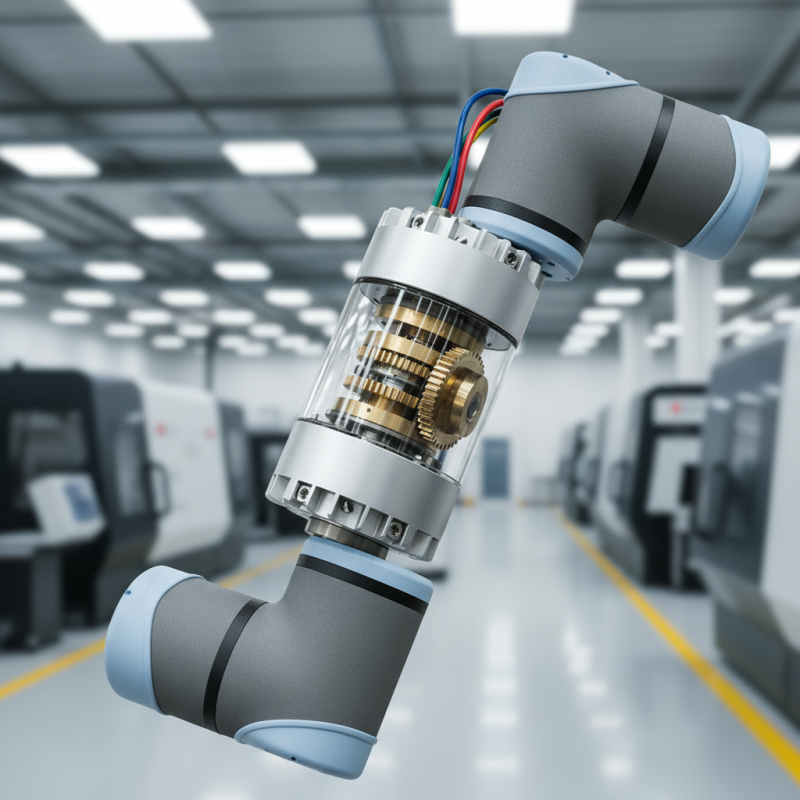
What is a 180 Rotation Rotary Actuator?
A 180 rotation rotary actuator is a mechanical device. It converts energy into rotational motion. This actuator provides precise control in various applications. Industries often use it in robotics, manufacturing, and automation. The actuator typically operates in a range of 0 to 180 degrees of rotation.
The working principle of the 180 rotation rotary actuator is straightforward. It utilizes motors to achieve rotation. The torque produced varies based on the actuator's type. According to a recent industry report, these actuators can generate torque ranging from 2 Nm to over 300 Nm. This range makes them suitable for different load requirements.
Some applications include valve control and positioning systems. However, imperfections exist. The actuator may experience backlash or wear over time. Such issues can affect performance. Regular maintenance is essential to ensure efficiency. Testing and quality assurance remain critical for reliable operation in real-world scenarios.
180 Rotation Rotary Actuator Performance
This bar chart illustrates the performance metrics of a 180 Rotation Rotary Actuator. The data showcases its torque, speed, response time, and durability, which are essential factors in determining the effectiveness and application of rotary actuators in various industries.
Key Components of a 180 Rotation Rotary Actuator
A 180 rotation rotary actuator is a crucial component in various industrial applications. Its design enables precise movements and adjustments. Key components include the motor, gearing system, and housing. The motor provides the necessary torque, while the gearing system translates rotational movement. The housing protects these elements from external damage.
Research indicates that 180 rotation actuators can achieve a rotation speed of up to 60 RPM. This speed allows them to fit into time-sensitive processes. However, their performance is contingent on materials used. Not all actuators operate equally under extreme conditions. Issues with wear and tear can affect reliability. Operators often face challenges when calibrating actuators for specific tasks.
Sensors can enhance their functionality. They provide feedback on position and speed. This data is essential for automation and process control. Nevertheless, integrating these components can complicate setup. Many users encounter difficulties understanding these systems. Some actuators require regular maintenance to sustain performance. Operators should keep records for optimal operation. The importance of monitoring cannot be overstated.
How 180 Rotation Rotary Actuators Operate Mechanically
A 180 rotation rotary actuator is an essential component in various mechanical systems. It allows for precise movement and control within a limited range—specifically, half a turn. This actuator often consists of gears and motors that enable smooth operations. The mechanical parts work together to convert electrical energy into rotational motion.
One common design uses a DC motor connected to a gear train. The gears amplify the motor's small rotation, resulting in a significant output movement. The actuator's design can vary, including the use of clutches and springs, depending on the application. However, the simplicity of the design can make it vulnerable. Misalignment or wear can cause performance issues. Regular maintenance is crucial to ensure reliability.
Tips: Always check the alignment of the actuator. A tiny misalignment can lead to greater problems down the road. Another tip is to inspect the gears periodically. They might show signs of wear, affecting performance. Make sure to address these issues promptly for optimal function.
Applications of 180 Rotation Rotary Actuators in Industry
180 Rotation Rotary Actuators are pivotal in various industries. Often employed in automation, these actuators enable precise control of equipment. They offer the ability to rotate an object by 180 degrees. This feature is vital for tasks requiring accuracy. The automotive industry, for instance, utilizes these actuators in robotic assembly lines. Research indicates the global market for rotary actuators is expected to reach $2.5 billion by 2026.
In food packaging, 180 Rotation Rotary Actuators play a crucial role. They facilitate the packing process, ensuring products are sealed securely. A report highlights that 40% of food processing companies have integrated these systems. This transition notably enhances efficiency. However, benefits must be weighed against maintenance challenges. The actuators require regular checks to ensure optimal performance.
Additionally, in the aerospace sector, these actuators are essential for flight control surfaces. They adjust flaps and ailerons, which enhance maneuverability. One study estimates that rotary actuators contribute to a 20% reduction in fuel consumption. Still, organizations must consider their long-term reliability. Balancing performance with maintenance needs remains a key consideration for companies using these technologies.
Performance Metrics and Standards for 180 Rotation Rotary Actuators
Performance metrics for 180 rotation rotary actuators are critical in determining their efficiency. These actuators typically provide a 180-degree motion, making them essential in robotic applications and automation systems. According to industry standards, a reliable actuator should meet specific torque and speed ratings. A report from the International Society of Automation indicates that optimal torque ratings for these actuators range between 1 Nm to 50 Nm, depending on the application requirements.
Another key performance indicator is the response time. Most rotary actuators should complete the 180-degree rotation within 0.5 to 2 seconds. This timing is crucial in high-speed applications where precision is vital. Studies show that a delay of even a few milliseconds can affect overall system performance. It raises questions about the factors that might hinder achieving these metrics. The environment, for instance, can influence performance significantly due to temperature and humidity variations.
Durability is also a pressing concern. Many actuators face wear and tear over time, which can alter their initial performance standards. A recent survey showed that nearly 30% of users reported failures due to inadequate maintenance. Keeping track of these performance metrics is not just beneficial but necessary. The industry still grapples with balancing cost and quality, a challenge that requires continuous assessment.
What is a 180 Rotation Rotary Actuator and How Does It Work? - Performance Metrics and Standards for 180 Rotation Rotary Actuators
| Parameter | Description | Value |
| Torque | The maximum torque the actuator can produce | 10 Nm |
| Rotation Angle | The angle of rotation the actuator can achieve | 180° |
| Speed | Time taken to complete a full rotation | 0.5 seconds |
| Power Supply | Voltage required for operation | 24 V DC |
| Weight | The total weight of the actuator | 2 kg |
| Control Method | How the actuator is controlled | PWM (Pulse Width Modulation) |
| Operating Temperature Range | Temperature conditions for optimal functionality | -20°C to +60°C |