What is an Automatic Fire Shutter and How Does It Work?
In modern architecture, safety is paramount. One innovation that enhances fire protection is the Automatic Fire Shutter. This device plays a crucial role in preventing the spread of flames and smoke. When a fire is detected, the shutter activates automatically. It closes off areas, limiting damage and ensuring safe evacuation routes.
An Automatic Fire Shutter is often made from durable materials. These materials can withstand high temperatures for a significant period. However, maintenance is key. Regular checks can prevent malfunctions during critical moments. In some cases, users might overlook this aspect, leading to devastating consequences.
Understanding the mechanisms of an Automatic Fire Shutter can empower individuals. Awareness of its benefits can promote better safety practices. Yet, not all installations are perfect. There can be challenges, such as improper positioning or sensor failures. Recognizing these shortcomings is essential for effective fire prevention strategies.
What is an Automatic Fire Shutter?
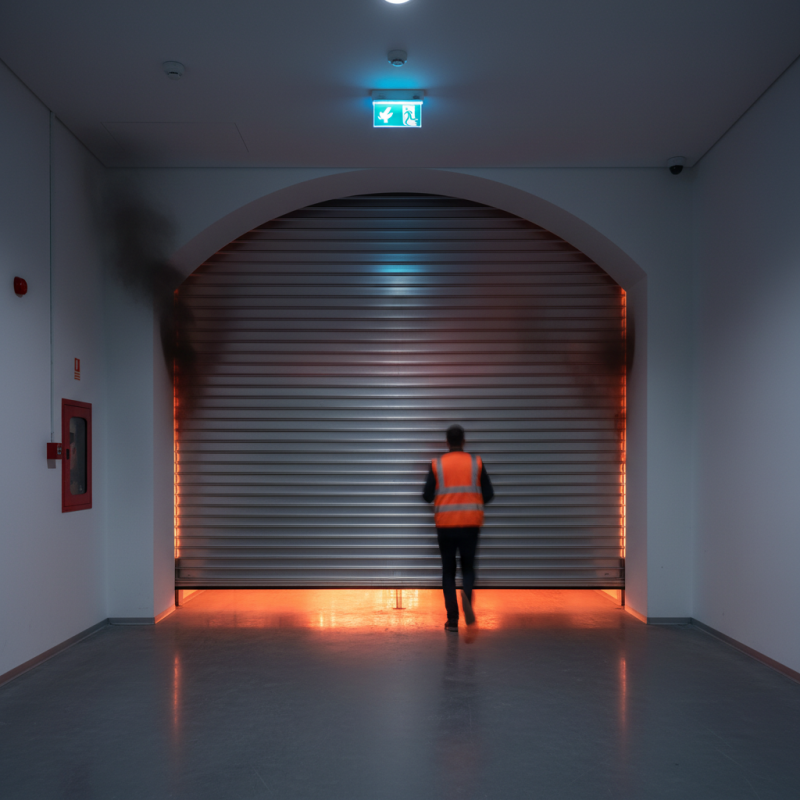
An automatic fire shutter is a crucial safety device used in buildings. It is designed to close automatically during a fire, preventing the spread of smoke and flames. These shutters are typically made of fire-resistant materials. When activated, they create a barrier between different areas of the building. This containment helps protect evacuation routes and vital infrastructure.
Tips: Regular maintenance is key. Ensure the sensors and mechanisms are functioning correctly. Fire shutters can fail if neglected. Conduct routine checks and document any issues.
The technology behind automatic fire shutters is fascinating. They often use heat sensors to detect fire. Once triggered, the shutter descends quickly. This rapid deployment can save lives. However, reliance on technology requires scrutiny. Occasionally, sensors might malfunction or respond too slowly.
Tips: Train staff on how to respond if the shutter fails. Know when to implement evacuation procedures. Awareness can make a difference in emergencies.
The Purpose and Importance of Fire Shutters
Fire shutters play a crucial role in building safety. They are designed to limit the spread of flames and smoke during a fire. By containing fire within a designated area, these shutters protect both lives and property. The importance of fire shutters cannot be overstated. They act as barriers, allowing people time to escape and reducing damage to structures.
When selecting fire shutters, consider their materials and specifications. Not all shutters are created equal. Ensure they meet the required fire safety standards for your building type. Regular maintenance is essential, too. Check for any wear or malfunctioning parts. Even a small issue can compromise their effectiveness in an emergency.
Tips: Conduct routine inspections to ensure the shutters function correctly. Be aware of your local fire codes for compliance. Training staff on how to operate these systems can save valuable time. Educating occupants about the presence of fire shutters is important. Not everyone may know how to respond in an emergency situation.
What is an Automatic Fire Shutter and How Does It Work?
| Feature | Description | Importance |
| Automatic Activation | Fire shutters can be triggered automatically by smoke or fire detection systems. | Helps in immediate response to fire incidents, limiting damages. |
| Material | Typically made from fire-resistant materials such as steel or mineral board. | Increases fire containment and structural integrity during a fire. |
| Manual Override | Users can manually operate the shutters if necessary. | Provides flexibility and control in emergencies. |
| Maintenance | Regular checks and maintenance are essential for effective operation. | Ensures reliability and efficiency in fire safety systems. |
| Compliance | Must meet local fire safety regulations and standards. | Critical for legal and safety reasons in commercial buildings. |
How Automatic Fire Shutters Operate
Automatic fire shutters are essential components in modern fire safety systems. They operate by automatically closing in response to smoke or heat detection. Typically installed in building openings, these shutters help compartmentalize fire and smoke. According to a report by the National Fire Protection Association, effective compartmentalization can reduce smoke damage by over 60%. This statistic highlights the critical role of fire shutters in protecting lives and property.
The operation of automatic fire shutters relies on advanced sensors. These sensors detect rising temperatures or smoke particles, triggering the shutter's mechanism. Most systems utilize a gravity drop method, ensuring quick and reliable closure. In some cases, mechanical failures can occur, leading to delayed responses. Ensuring regular maintenance is crucial. Testing and inspection can prevent potential failures in emergencies.
Furthermore, automatic fire shutters come with specific ratings. The UL 10B testing standard assesses their performance. Testing ensures they can withstand heat and prevent the spread of fire for a defined period. However, one must consider installation quality. Poor installation can dramatically reduce effectiveness. Regular reviews and updates to the system are necessary to keep them operational and reliable.
Key Components of Automatic Fire Shutters
Automatic fire shutters play a crucial role in fire safety. Understanding their key components is essential. The primary part is the shutter itself, often made of metal. This material can withstand high temperatures. It acts as a barrier, preventing the spread of flames and smoke. Proper installation is vital for effectiveness.
Another important component is the control system. This system activates the shutter automatically in case of fire detection. Sensors are commonly used. They respond to smoke or heat. This rapid response is critical in protecting property and lives.
Additionally, the power supply ensures the system functions even during emergencies. A backup power source is recommended. Regular maintenance is often overlooked but necessary. Dust and debris can hinder performance. Routine checks ensure everything works correctly. Fire shutters must be reliable, and any failure can lead to disasters.
Automatic Fire Shutter Performance Overview
Applications and Benefits of Using Fire Shutters
Fire shutters are essential in many buildings. They act as barriers against flames and heat. When triggered, these shutters close automatically. This minimizes the spread of fire. Their use is vital in places like warehouses and shopping malls.
Applications of fire shutters vary widely. They are found in hotels, schools, and factories. In hotels, fire shutters protect guest areas. They help keep common corridors safe. In factories, they prevent fires from traveling between sections. This can save lives and reduce property loss.
**Tip:** Regular maintenance of fire shutters is crucial. Inspect them periodically to ensure functionality. Ensure the triggers work correctly.
Benefits are numerous. Fire shutters enhance safety and security. They can even lower insurance costs. However, some buildings may not be suitable for them. Consider local regulations and building design before installation.
**Tip:** Always consult with a professional installer. They can guide you on the best options. Make informed choices for maximum safety.