
10 Best Compression Equipment Suppliers Worldwide

Choosing a compression equipment supplier can affect uptime, energy use, product quality, and maintenance costs for years. The right choice depends on the work: a food plant may prioritize oil-free compressed air, while a pipeline operator may need high-capacity gas compression. Small details matter. A unit’s operating pressure, flow rate, duty cycle, and installation environment should match the actual process, not just a sales estimate.

This guide introduces ten suppliers with international reach and examines what buyers should check before requesting a quotation. Look beyond headline capacity. Review equipment specifications, efficiency data, spare-parts access, warranty terms, and the availability of trained service technicians near your site. Ask how the supplier handles commissioning and routine maintenance. Those answers can reveal more than a polished brochure.

No supplier is the best fit for every application. A global name may offer broad product coverage, yet local response times can still vary. And a lower purchase price may not mean lower lifetime cost. This overview is a starting point, not a substitute for technical review. Confirm current product details directly with each company, and have qualified engineers verify that the proposed compression equipment meets your operating requirements. That extra step takes time. It can prevent an expensive mismatch.
10 Best Compression Equipment Suppliers Worldwide

What Compression Equipment Includes and Where It Is Used

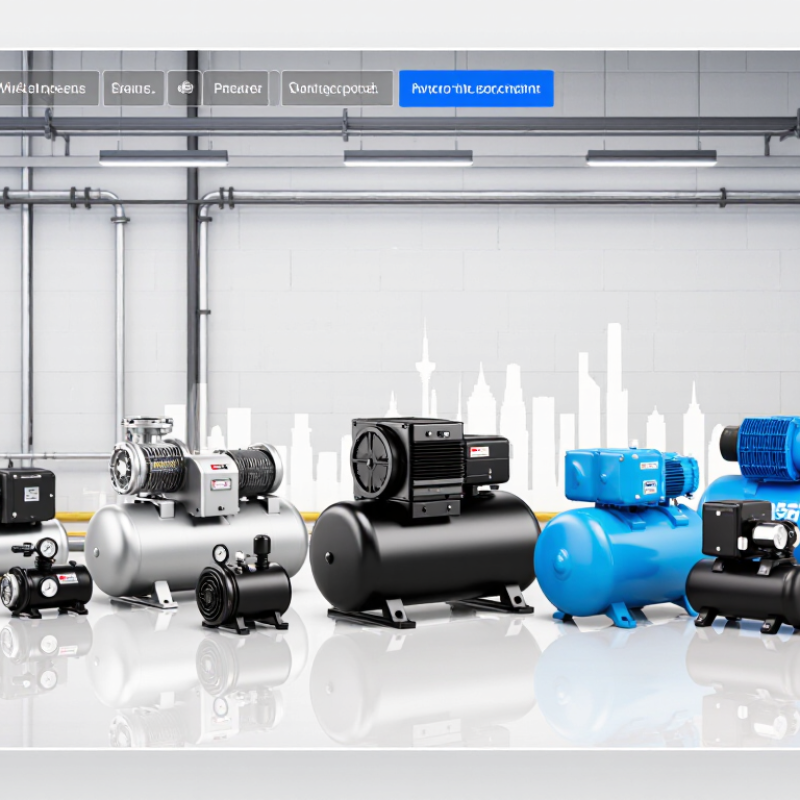
Compression equipment covers more than the machine that raises gas pressure. A typical compressed-air system may include a compressor, intake filters, a receiver tank, dryers, line filters, controls, and piping. Each part affects pressure, air quality, and operating cost. The receiver, for example, can help manage short demand peaks, while a dryer reduces moisture that could damage tools or product.

These systems appear in manufacturing plants, vehicle service shops, construction sites, and food processing facilities. Pneumatic tools need steady airflow; packaging lines may require cleaner, drier air. Gas compressors also serve refrigeration, energy, and process applications, where pressure, temperature, and gas compatibility require careful review. The right setup depends on actual demand, not just the largest number on a machine’s rating plate. Small details matter.

When comparing suppliers, ask how equipment is sized, installed, and maintained. Request clear specifications for flow at working pressure, energy use, noise, and service intervals. Check whether filters and drains are accessible, and whether controls can respond to changing demand. A system that runs continuously at low load may waste energy. Yet sizing from incomplete demand data can also lead to poor results. That part is easy to underestimate. A site assessment and measured airflow can make the choice more reliable, though measurements may not capture every future production change.

Compression Equipment: Common Applications

Compression equipment raises the pressure of air or gases. Common types include reciprocating, rotary screw, centrifugal, scroll and diaphragm compressors.

Bars count representative compressor families commonly used in each application, not suppliers, market share or installed units. Actual equipment selection depends on required pressure, flow rate, gas composition and purity.

How to Evaluate Suppliers of Compression Equipment

Evaluating a compression equipment supplier starts with your actual operating conditions, not a headline capacity figure. Share the required flow, discharge pressure, operating hours, inlet conditions, and installation environment. Ask how the proposed unit performs across your normal load range. A compressor that meets peak demand may waste energy during quieter shifts. Fit matters.

Request performance curves, material specifications, noise data, and maintenance intervals. Check whether the supplier can explain its assumptions in plain language. Ask for references from facilities with similar duty cycles, then speak with the people who maintain the equipment. Paper specifications can still mislead. Look for documented factory testing and clear acceptance criteria, including what happens if measured performance differs from the offer.

Compare the full cost of ownership, not just the purchase price. Include energy use, consumables, planned service, spare-part availability, and expected downtime. Ask how quickly technicians can respond and which parts are stocked locally. That gap matters. Review the warranty carefully, especially exclusions tied to operating conditions. A neat proposal is not proof of dependable support. I would also note any unanswered technical questions; suppliers sometimes need clarification, and that is reasonable. Repeatedly vague answers are less reassuring. Keep the evaluation tied to measurable requirements, and record why each option meets—or misses—them.

10 Best Compression Equipment Suppliers Worldwide - How to Evaluate Suppliers of Compression Equipment

No. Evaluation Area What to Assess Verifiable Evidence and Evaluation Guidance
1 Capacity and Operating Range Confirm that the proposed equipment meets required flow, discharge pressure, gas composition, operating temperature, and duty cycle. Request performance data for the actual stated operating conditions. Compare suppliers on the same inlet conditions, outlet pressure, units, and operating assumptions.
2 Performance Testing Check how capacity, power, and other guaranteed performance values are measured and reported. For displacement compressors, ask whether acceptance testing follows the applicable parts of ISO 1217. Confirm the test conditions, tolerances, and reporting method in the purchase specification.
3 Energy Efficiency Compare power demand at the expected operating points, including part-load operation where relevant. Request a defined power and flow curve, test basis, and estimated annual energy use based on the buyer’s load profile. Evaluate the complete system, not only the compressor package.
4 Compressed-Air Quality For compressed-air applications, check required particle, water, and oil purity levels and whether the proposed treatment equipment can achieve them. Specify the required purity classes using ISO 8573-1 where applicable. Ask for test or monitoring evidence at the defined measurement point and operating conditions.
5 Safety and Regulatory Compliance Review the equipment’s pressure, electrical, guarding, and installation requirements for the destination country and application. Request the applicable declarations, certificates, manuals, and pressure-system documentation. Requirements depend on the jurisdiction and equipment configuration; verify them with the relevant authority or qualified assessor.
6 Reliability and Maintenance Assess service intervals, wear components, recommended spares, maintenance access, and the consequences of planned downtime. Request a maintenance schedule, parts list, and written assumptions for expected service life. Compare service tasks and consumables over the same operating hours.
7 Service and Spare-Parts Support Determine whether qualified technical support and critical parts are available where the equipment will operate. Ask for local service coverage, support hours, response commitments, parts availability arrangements, and escalation procedures. Confirm commitments in the contract rather than relying on general assurances.
8 Controls and System Integration Check compatibility with existing control systems, communications, sequencing, and site operating practices. Request an interface list, control narrative, supported communication protocols, alarm list, and integration scope. Confirm which party is responsible for commissioning the complete system.
9 Installation and Commissioning Review site requirements, utility connections, foundations, ventilation, noise considerations, and commissioning procedures. Request installation drawings, utility requirements, a commissioning checklist, and operator training details. For a system energy assessment, ISO 11011 provides a framework for assessing compressed-air systems.
10 Lifecycle Cost and Contract Clarity Compare purchase price with energy, maintenance, installation, treatment, and planned replacement costs over the expected service period. Use a common operating profile and analysis period for every quotation. Check warranty scope, exclusions, performance guarantees, acceptance criteria, and the cost basis for optional services.

Profiles of 10 Leading Compression Equipment Suppliers Worldwide

A practical comparison of ten compression equipment suppliers begins with their engineering focus, not their size. One profile centers on rotary screw compressors for steady factory demand, with attention to service access and operating costs. Another specializes in reciprocating units, often selected where pressure requirements are high and output varies. A third focuses on centrifugal systems for large, continuous process loads; installation conditions matter greatly. A fourth builds oil-free equipment for applications needing clean compressed air. Buyers should still verify air-quality performance against their own process requirements.

A fifth supplier profile covers portable compressors used at construction and maintenance sites. Noise levels, transport weight, and dusty conditions deserve close inspection. A sixth supplies complete air systems, combining compressors with dryers, filters, and controls. A seventh handles custom-engineered packages for unusual flow or temperature conditions. These capabilities can be valuable, but custom work may extend delivery schedules. Details matter.

The remaining profiles include an energy-management specialist, a supplier with strong regional service coverage, and an integrator that designs broader plant systems. Their practical value depends on measurable results: energy use, parts availability, response times, and commissioning support. Ask for comparable performance data and references from similar installations. A neat product sheet is not enough. This is an imperfect comparison, since supplier strengths shift by region and project; even experienced buyers can overlook service constraints when focusing on purchase price.

How Suppliers Differ in Technology, Services, and Global Reach

Compression equipment suppliers differ in more than rated flow and pressure. Some specialize in oil-free systems, variable-speed drives, or heat recovery; others offer standard packages with simpler controls. These choices affect energy use, maintenance, and performance under changing demand. Small details matter: a pressure drop across a clogged filter can undermine an otherwise efficient installation.

The U.S. Department of Energy’s Improving Compressed Air System Performance guide reports that compressed air can consume about 10% of industrial electricity, and 30% or more at some plants. That makes system audits, leak surveys, and operator training meaningful parts of a supplier’s offer—not optional extras. Ask how service teams measure leakage, verify pressure stability, and document energy savings. A confident estimate is not the same as a measured result.

Global reach also varies. A supplier may ship equipment worldwide but lack nearby technicians, spare parts, or language support. Check response times, parts availability, commissioning procedures, and remote-monitoring coverage in each operating region. That matters. Yet no service map can predict every site’s constraints; even careful comparisons leave gaps. The most useful evaluation pairs published specifications with a real demand profile, maintenance history, and a walk-through of the compressor room.

Key Factors for Selecting a Compression Equipment Supplier

Selecting a compression equipment supplier starts with the actual duty, not the largest capacity listed in a catalogue. Define required flow, discharge pressure, operating hours, and gas composition. Ask how performance changes at partial load. A unit that meets peak demand may waste energy during quieter shifts. Numbers can mislead.

Request test data for a configuration close to your operating conditions. Check efficiency, vibration limits, noise levels, and expected maintenance intervals. Ask whether the supplier can explain its assumptions in plain language. A detailed curve is useful; so is knowing what was measured and under which conditions. If the proposed figures seem unusually precise, ask how they were verified.

Service capability matters after installation. Confirm the availability of trained technicians, critical replacement parts, and remote troubleshooting across your location. Clarify typical response times and what the warranty excludes. These details can matter more than a small difference in purchase price. Visit a reference site, if practical, and speak with operators about downtime and parts delivery. I would not treat one satisfied customer as proof; operating conditions differ, and supplier records can be incomplete. Ask for written commitments, then compare them with your own maintenance needs.