2026 How to Choose the Best Orchard Flail Mower for Your Needs?
When selecting the right Orchard Flail Mower, it's essential to consider numerous factors. The global orchard equipment market is projected to grow significantly, with a compound annual growth rate (CAGR) of 7.5% by 2026. This growth underlines the importance of choosing the right tools. An effective Orchard Flail Mower enhances efficiency in maintaining orchards, ensuring healthier trees and maximizing yields.
Understanding the specific needs of your orchard is crucial. Different models vary in power, cutting width, and design. Research indicates that mowers with adjustable heights and robust blades are more efficient for diverse terrains. However, many users overlook maintenance requirements. Neglecting this aspect can lead to diminished performance over time.
Choosing an Orchard Flail Mower can be daunting. It’s not merely about the brand or price tag. Potential buyers should research, read reviews, and consult experts. The right mower should align with individual orchard needs while also accounting for the local agricultural environment. Balancing specifications with real-world applications can make all the difference in achieving successful orchard management.
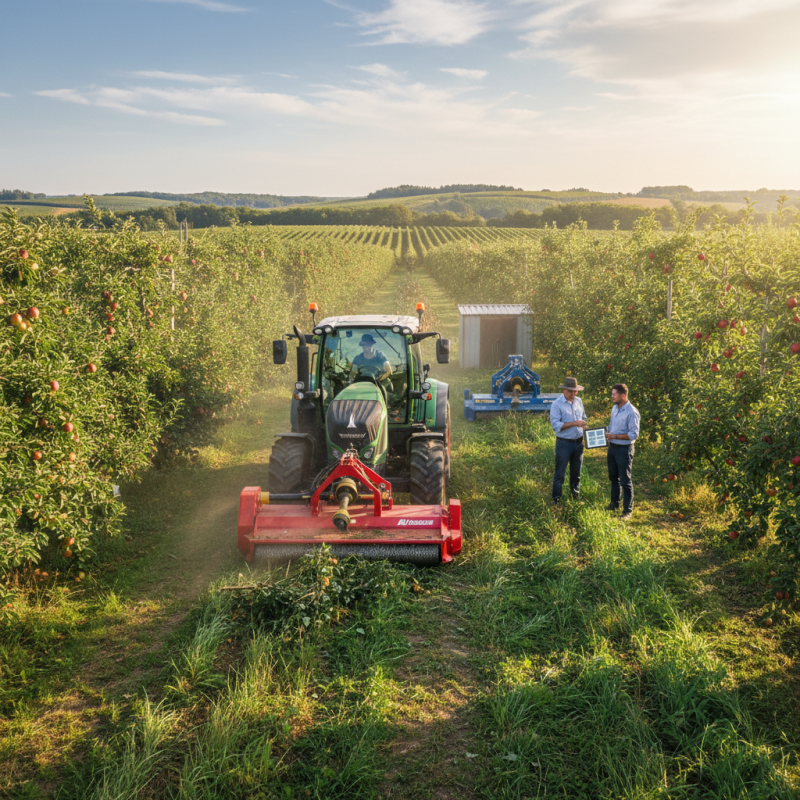
Understanding Orchard Flail Mowers and Their Importance
Orchard flail mowers are vital for maintaining healthy fruit trees. These machines efficiently manage undergrowth and control pests. They help prevent diseases that affect tree health. A well-maintained orchard can yield better fruit quality. Understanding how flail mowers work enhances your orchard management strategy.
Choosing the right flail mower for your needs is essential. Look for mowers with adjustable cutting heights. This allows for versatility across various terrains. Make sure the mower's weight suits your tractor. A lighter mower is easier to maneuver, while a heavier one provides stability. Consider the mower's width; wider mowers can cover more area, but may not fit comfortably between rows.
Tip: Always check the mower's blade condition. Dull blades can lead to uneven cuts. Regular maintenance, like replacing damaged belts, is crucial. It ensures optimal performance over time. Knowledge of orchard conditions can significantly influence your choice. Pay attention to your trees' growth patterns and the type of undergrowth present. Understanding your specific needs can lead to better decisions.
2026 How to Choose the Best Orchard Flail Mower for Your Needs?
| Model | Cutting Width | Power Requirement | Weight | Ideal for |
| Model A | 60 inches | 25 HP | 700 lbs | Small to Medium Orchards |
| Model B | 72 inches | 30 HP | 850 lbs | Medium to Large Orchards |
| Model C | 48 inches | 20 HP | 500 lbs | Specialized Orchards |
| Model D | 84 inches | 35 HP | 950 lbs | Large Orchards |
Evaluating Your Orchard Size and Terrain for the Right Mower
When selecting a flail mower for your orchard, consider the size and terrain of your property. A small orchard may require a compact mower, while larger areas might benefit from more powerful models. The mower’s cutting width should match your row spacing. A mismatched width can lead to uneven cutting and additional passes, extending your workday.
Terrain plays a crucial role in your decision. If your orchard has steep slopes or rough ground, choose a mower designed for those conditions. Some mowers offer enhanced stability and maneuverability. An inappropriate choice can lead to operational challenges, reducing efficiency. Evaluate obstacles like rocks and tree roots as they may impact the mower's performance.
An ideal mower should meet your specific needs. Many growers find that testing models in their orchards reveals valuable insights. This trial-and-error process helps identify features that truly assist in your work. Remember, it’s not just about the right equipment; it’s about optimizing your workflow and ensuring your orchard thrives.
Key Features to Consider in Orchard Flail Mowers
When selecting an orchard flail mower, several key features warrant careful consideration. First, the cutting width is essential. A wider mower can save time, but it may be harder to maneuver in tight spaces, especially among tree rows. Think about your orchard layout. Narrower mowers can provide precision but may require more passes.
The engine power also matters. A mower with too little power may struggle with thick brush. Look for engines with adequate horsepower to ensure efficiency. Additionally, consider the weight of the mower. Heavier mowers may offer stability but could compact the soil, impacting tree health. Balancing weight and maneuverability is crucial for effective mowing.
Lastly, examine the blade design and quality. Flail mowers with higher-grade stainless steel blades tend to last longer and perform better. Durability is vital for maintaining consistent operation over the seasons. Reflect on your specific needs: Are you tackling dense thickets or just maintaining a tidy orchard? Adjusting your choice to match these requirements is critical for optimal results.
Comparing Different Brands and Models of Flail Mowers
When selecting an orchard flail mower, comparing brands and models is essential. Not all flail mowers are created equal. Each brand offers unique features, which can significantly impact performance. For instance, consider the cutting width, which affects how efficiently you can cover ground. Some models excel in dense vegetation, while others are best for lighter tasks.
Durability is another crucial factor. Look for mowers with robust construction and quality materials. This often translates to a longer lifespan. Additionally, read reviews from actual users. Their experience can provide insights that specs alone cannot. You may discover specific models have issues, such as poor maneuverability or difficulty in maintenance.
It’s also worth noting that price can vary dramatically across brands. A higher price tag does not always ensure better performance. Taking time to weigh the pros and cons of each model will pay off in the long run. Consider what features are most important for your orchard’s needs. A well-informed decision will lead to better management of your orchard.
Maintenance and Care Tips for Orchard Flail Mowers
Maintaining an orchard flail mower is essential for optimal performance. Regular inspections help identify wear and tear. Check the blades frequently. Dull blades can damage crops and reduce efficiency. Clean the mower after each use to prevent debris buildup. This habit promotes longevity and reliable operation.
Lubrication is key. Ensure all moving parts are well-lubricated. Neglecting this can lead to rust or mechanical failure. Replacing filters and fluids should also be on your routine list. High-quality filters enhance the machine's functionality.
When storing the mower, choose a dry place. Exposure to moisture can cause severe damage. Consider investing in a cover for additional protection. Recognize that an overlooked mower can result in costly repairs. Reflecting on these maintenance tips will help keep your flail mower in peak condition, ultimately benefiting your orchard's health.