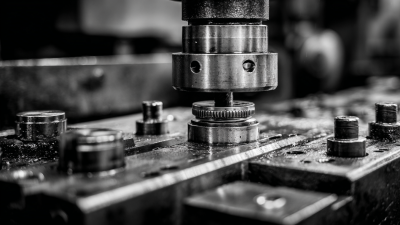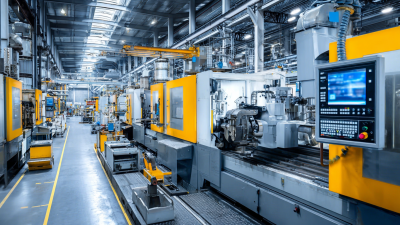
Starting a machine shop can be an exciting endeavor. Selecting the right basic machine shop equipment is crucial for beginners. Understanding your needs and goals will help you make informed decisions.
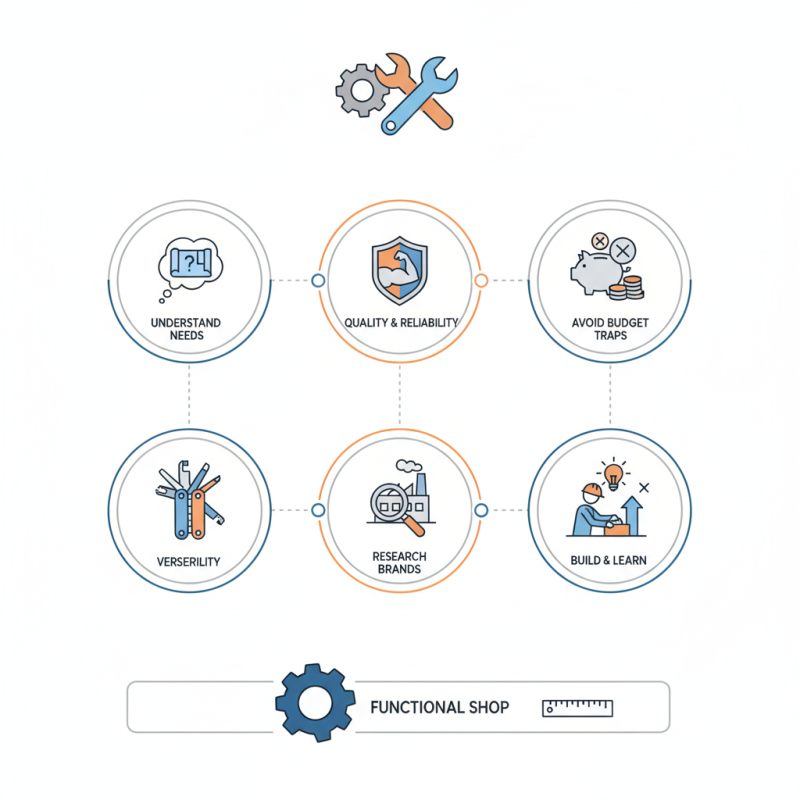
When exploring options, consider quality and reliability. Investing in robust equipment ensures longevity and better performance. While budget constraints are common, compromising on essential tools may lead to challenges.
Many beginners overlook the importance of versatility. Equipment should cater to various tasks, from cutting to drilling. Moreover, it's essential to research reputable brands. This knowledge empowers you to choose wisely. The goal is to build a functional shop that fosters creativity and efficiency, despite potential initial mistakes.
Choosing the right equipment for a machine shop can be daunting for beginners. Understanding essential functions is crucial. A basic machine shop typically includes tools like lathes, mills, and drill presses. Each serves a distinct purpose. For example, lathes shape materials by rotating them against cutting tools. This is fundamental for creating cylindrical parts.
Beginners should have a grasp of these tools and their uses. Familiarize yourself with the operation of each machine. Seek hands-on experience if possible. This will build confidence and competence. Don't overlook safety equipment. Proper safety gear is vital in a machine shop environment.
Many newcomers make common mistakes. They often buy too much equipment at once. A lean setup allows for better focus on learning. Reflect on your needs and gradually expand your toolkit. Remember, mastery takes time and practice. Adjust your approach based on experiences, and don't rush the process.
This chart illustrates the importance level of various essential machine shop equipment for beginners, rated on a scale from 1 to 10. The lathe is identified as the most crucial piece of equipment, followed closely by the milling machine and drill press.
Choosing the right equipment is vital for beginners in a machine shop. Essential tools include
lathes,
mills, and
band saws.
A survey by the Manufacturing Institute indicates that having a well-equipped shop increases productivity by
30%. However, selecting the right machinery can be overwhelming.
Lathes and mills are foundational. They enable precise shaping and cutting of materials. Research shows that about
70% of machine shop tasks involve these machines. Band saws add versatility
for cutting curves and odd shapes. It’s critical to ensure you have sturdy and reliable equipment to avoid safety hazards.
While investing in quality machines is important, many beginners skip proper training. Nearly
40% of new machinists report not feeling adequately prepared.
This gap can lead to mistakes and safety issues. Therefore, assessing your skill level alongside equipment selection is crucial.
Deficiencies in training or equipment can stall progress.
When entering the machine shop realm, evaluating the quality and reliability of tools is crucial. Industry data suggests that 45% of beginner machinists face setbacks due to equipment failure. Investing in high-quality tools can minimize these risks. Selecting tools made from durable materials ensures longevity. Look for reviews that highlight consistent performance over time.
Reliability is equally important. Tools that frequently break or malfunction can disrupt projects. Research shows that 30% of beginners underestimate the importance of reliable equipment. Basic tools such as drills and lathes should undergo rigorous testing. Seek out user feedback that mentions the lifespan of tools in real-world scenarios. This feedback can be a game-changer for beginners.
Beginners may feel overwhelmed. Not all tools will meet individual needs. A tool may look perfect but fail in practice. Gathering insights from experienced machinists can illuminate common pitfalls. Engage with online communities to understand which tools offer the best value. Learning from others’ experiences allows for smarter purchasing decisions.
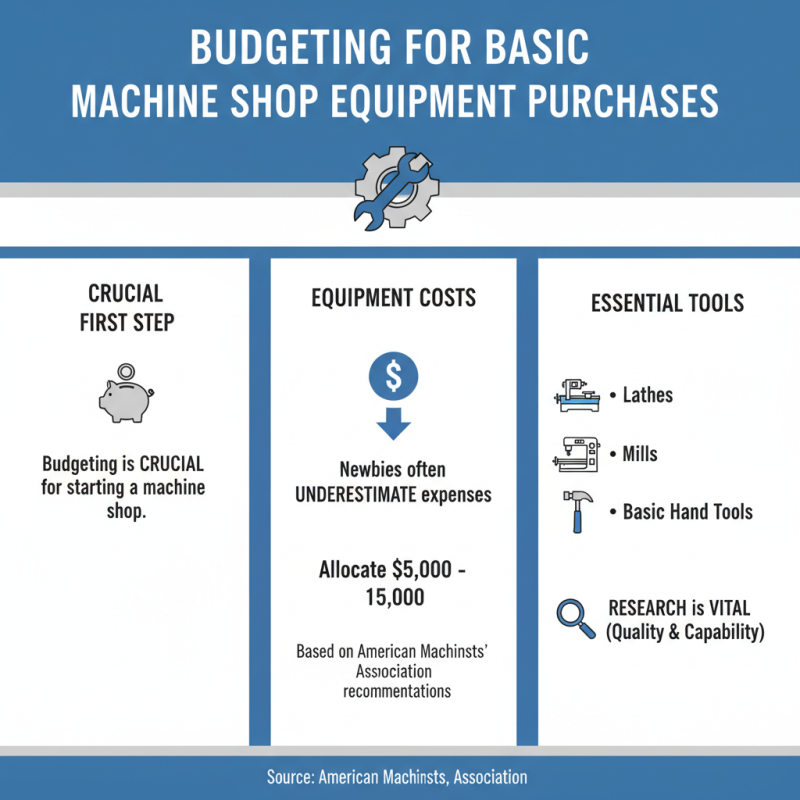
When starting a machine shop, budgeting is crucial. Newbies often underestimate equipment costs. According to the American Machinists’ Association, beginners should allocate at least $5,000 to $15,000 for essential tools. This figure includes lathes, mills, and basic hand tools. Prices vary based on quality and capability, so research is vital.
Tip: Prioritize essential equipment. A good starter list includes a bench lathe, milling machine, and drill press. Focus on used or refurbished models to stretch your budget. Additionally, consider costs for maintenance and safety gear, which are often overlooked.
Unexpected expenses can arise. For instance, budgeting for tooling is crucial, often accounting for 20% of total equipment costs. Beginners might feel overwhelmed, but investing in quality tools pays off. According to industry reports, shops with a well-planned budget saw a productivity increase of 30% within the first year. Always reflect on your financial plan. Revising budgets based on actual expenses helps refine future purchases.
Setting up a home machine shop requires careful attention to safety. Beginners often overlook this crucial aspect. Safety gear is essential. Invest in quality goggles, gloves, and steel-toed boots. These items protect you from flying debris and heavy objects. A well-ventilated space is also key. Poor air quality can lead to respiratory issues.
Additionally, keep your workspace organized. Tools should be stored properly to avoid accidents. An uncluttered area minimizes the risk of trips and falls. Consider adding a fire extinguisher and a first aid kit. Emergencies can happen, and being prepared is vital.
It's important to remember that machine work involves risks. Always approach tasks with caution. Take time to read manuals and instructions. Evaluate your equipment regularly for wear and tear. Reflection on past mistakes can help improve your safety practices. Ultimately, it's about creating a secure and efficient workspace for your projects.
| Equipment | Purpose | Safety Tips |
|---|---|---|
| Lathe | Used for shaping metal or wood by rotating the workpiece against a cutting tool. | Always wear safety goggles, and secure loose clothing. |
| Milling Machine | Used for cutting and shaping materials by removing material with rotary cutters. | Keep hands clear of the moving parts and use proper guards. |
| Bandsaw | Used for making irregular cuts on wood, metal, and other materials. | Always use push sticks and keep the blade guards in place. |
| Drill Press | Used for drilling precise holes in various materials. | Check the chuck for tightness and use clamps to secure workpieces. |
| Workbench | A sturdy surface for carrying out various machining operations. | Ensure it's level and free of clutter to prevent accidents. |