2026 How to Choose the Best Industrial Supplies and Equipment?
Choosing the right industrial supplies and equipment can be a challenging task. With so many options available, it’s essential to take a methodical approach. Reliable equipment is crucial for operational efficiency and safety. Understanding your specific needs is vital. Assessing quality, durability, and performance saves time in the long run.
Look for suppliers with a solid reputation. Check reviews and ask for recommendations. Established suppliers often have the expertise to guide your decisions. They can provide insights into the best choices for your specific industry needs. Remember, price isn’t the only factor. Low-cost options can sometimes lead to costly mistakes.
Take time to reflect on your choices. Are the supplies designed for your intended use? Investing in the right equipment can enhance productivity. Not all supplies are equal, so prioritize those that meet high standards. In the end, your choices will directly impact your operations and overall success.
Understanding Industrial Supplies and Equipment Needs
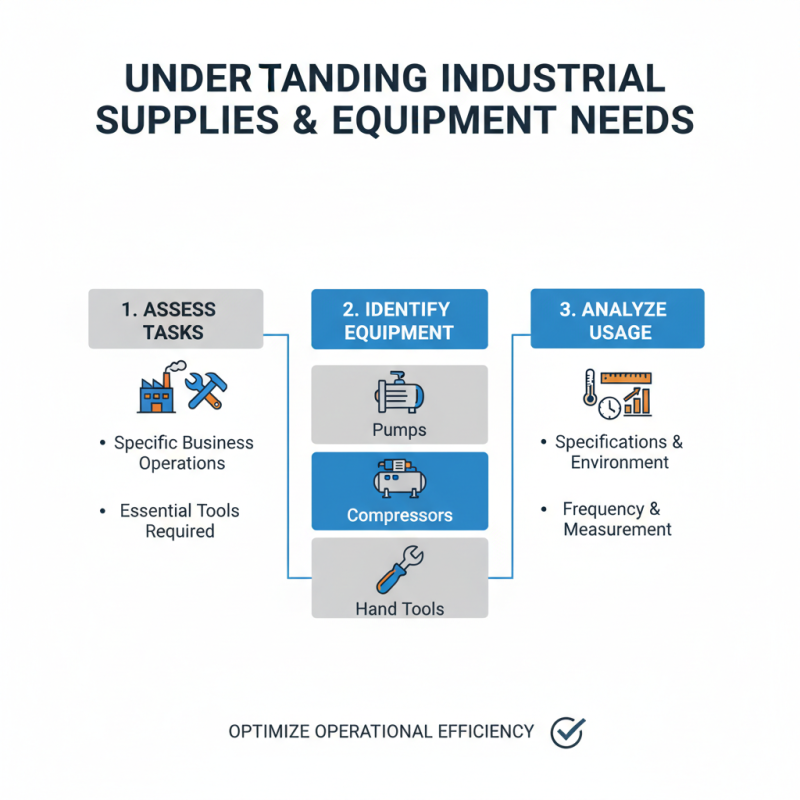
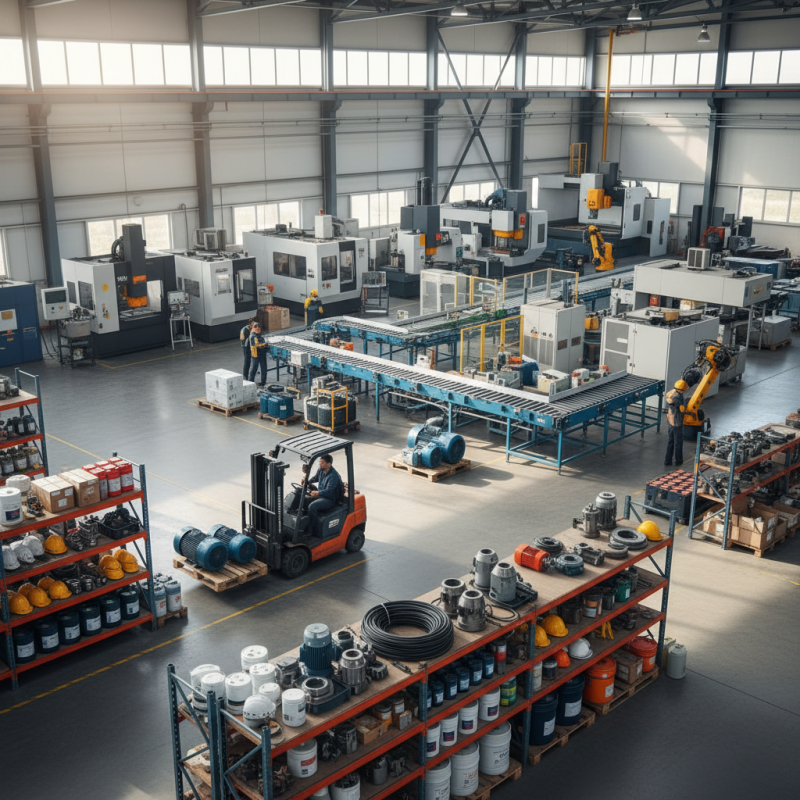
Understanding your industrial supplies and equipment needs is crucial for operational efficiency. Consider the specific tasks your business performs. What tools are essential? For example, if you run a manufacturing facility, think about tools like pumps, compressors, and hand tools. Each has different specifications based on the work environment. Take measurements and analyze how often you use each piece.
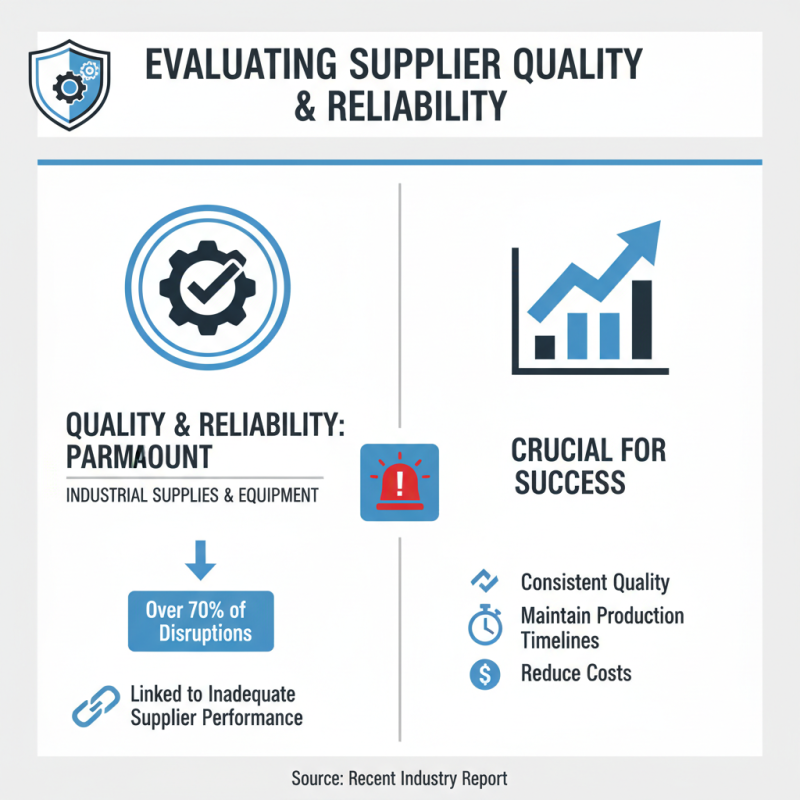
Another important aspect is evaluating quality versus cost. Cheaper items might save money upfront but could lead to more frequent replacements. This can disrupt operations and increase long-term costs. Understand the materials and technology behind the supplies you choose. Durability and reliability should be top priorities.
Additionally, consider your team’s experience with certain equipment. Training costs can add up. Sometimes, familiar tools are better, even if they're older models. Listen to your team’s feedback. They can offer insights into what works best on the ground. This reflection is essential for informed decision-making in your supply purchases.
Comparing Costs and Budget Considerations
When choosing industrial supplies and equipment, costs play a major role. A well-defined budget helps prioritize needs. Unexpected expenses can derail your plans. Consider total ownership costs, not just initial prices. This includes maintenance, energy consumption, and lifespan. Each factor contributes to the overall expense.
The market offers a wide range of options. Not every choice is good for your specific situation. Sometimes, cheaper items lack quality. Their short lifespan may lead to repeated purchases, resulting in higher costs. Focus on balancing price with reliability. Reviews and expert recommendations can aid in this decision-making process.
Have you encountered hidden fees? These can sneak up on you. Be aware of shipping costs or taxes when estimating your budget. Negotiating with suppliers may yield better deals. Sometimes, acceptable quality can come from lesser-known manufacturers. Research and comparisons are essential. This approach might take time and effort but could save money in the long term.
2026 Industrial Supplies and Equipment Cost Comparison
Assessing Technical Specifications and Compatibility
Choosing the right industrial supplies and equipment
requires careful consideration of technical specifications.
Compatibility is crucial. Each component must work harmoniously to ensure efficiency.
Mismatched equipment can lead to operational failures.
For example, a pump that does not fit with piping can cause leaks or downtime.
Understanding technical specifications can seem daunting. Look for clear metrics.
Focus on dimensions,
pressure ratings, and
power requirements.
These factors can drastically affect performance. However, it's easy to overlook finer details, leading to mistakes.
Even experienced buyers can misjudge the importance of specifications.
It's wise to consult experts when uncertain. Their knowledge can often save time and resources.
However, it's equally important to verify their recommendations.
Past experiences or case studies can provide valuable insights.
Reflect on previous purchases and learn from them. Seek feedback from your team
and make adjustments as needed.
Balancing expertise with practical feedback
can enhance your decision-making process.
Exploring After-Sales Support and Warranty Options
When selecting industrial supplies and equipment, after-sales support is crucial. A reliable warranty can mitigate risks associated with equipment failures. Knowing the terms of the warranty helps you understand what is covered. Some warranties might only last a year, while others extend longer. Shorter warranties can signal lesser quality, raising concerns about long-term reliability.
After-sales support often includes maintenance services and technical assistance. These services are vital for complex machinery. It's essential to inquire about response times for service requests. Delays in support can lead to costly downtime. Consider the availability of online resources or manuals as part of the support package. Look for companies that prioritize customer needs.
Reflect on past experiences with suppliers. Did they provide adequate support? Were there hidden costs or limitations in the warranty? These reflections can guide future purchases. Selecting a supplier that offers strong after-sales support and a clear warranty can significantly impact operational efficiency. Always evaluate this aspect before making a decision.