How to Choose the Best Stainless Steel Chains for Your Needs?
When selecting the best Stainless steel chains for various applications, many factors come into play. According to a report by Grand View Research, the global stainless steel chains market is expected to grow steadily, driven by increasing demand in the automotive and construction sectors. The durability and corrosion resistance of stainless steel chains make them ideal for both industrial and DIY projects.
Experts emphasize the importance of choosing the right type and grade of stainless steel. Dr. John Smith, a renowned materials scientist, states, "Understanding the environment where chains will be used can significantly impact performance." This insight highlights the necessity of assessing your specific needs before making a decision.
While stainless steel chains are praised for their strength, it is crucial to recognize that not all options are created equal. Variations in construction, link design, and grade can lead to different outcomes. Buyers must reflect on their intended use and budget constraints. Careful consideration ensures the right balance between quality and cost-effectiveness in your selection process.
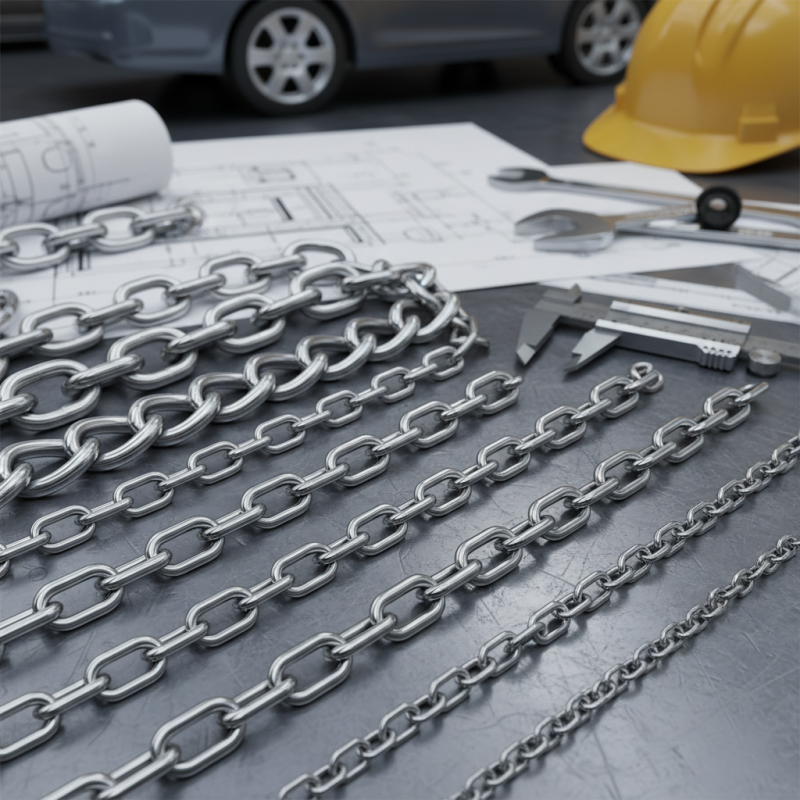
Understanding Different Types of Stainless Steel Chains and Their Uses
When selecting stainless steel chains, understanding the types and their applications is crucial. There are several variations available. Each type serves different purposes. For instance, some chains are designed for industrial use, while others are more suited for decorative purposes. It’s important to choose a chain that aligns with your specific needs.
Grade 304 stainless steel chains are often used for general applications. They resist corrosion and can withstand various conditions. However, they may not be ideal in highly corrosive environments. In contrast, Grade 316 offers better resistance to saltwater and chemicals. This makes it a preferred choice for marine and chemical applications. Choosing the wrong grade can lead to rust and structural failures.
When evaluating chains, consider their intended use. Think about the load capacity and the environment they will be in. A chain that looks durable might not hold up under heavy loads. Regular inspection is recommended. Even the highest quality chains can wear over time. Understand the importance of maintenance and replacement for optimal performance.
Evaluating Strength and Durability Requirements for Your Chain Selection
When selecting stainless steel chains, evaluating strength and durability is crucial. Different applications demand different strength levels. For example, marine environments require corrosion-resistant chains capable of withstanding harsh conditions. According to a report by the American Society of Mechanical Engineers (ASME), specific grades of stainless steel show varying tensile strengths, impacting their suitability for certain tasks.
Chains often operate under dynamic loads. Therefore, knowing the maximum load capacity is essential. Research illustrates that 304 stainless steel chains offer great flexibility for light to medium loads. Conversely, 316 stainless steel chains provide enhanced corrosion resistance and added strength, making them ideal for more demanding applications, such as offshore projects.
However, manufacturers sometimes understate the importance of maintenance. Factors like exposure to chemicals and temperature variations can affect durability. Regular inspections are necessary to identify signs of wear. Users should avoid overlooking the impact of environmental conditions. This attentiveness can ensure optimal performance and longevity for your stainless steel chains.
Factors to Consider: Rust Resistance, Weight, and Cost
When selecting stainless steel chains, three critical factors come into play: rust resistance, weight, and cost. Rust resistance is paramount, especially for outdoor applications. High-quality stainless steel chains often use alloy compositions like 316 or 304 grades. According to industry reports, 316 stainless steel shows superior resistance to corrosion, especially in marine environments. Chains with lower alloy content may save money upfront but can lead to costly replacements in the long run.
Weight also matters. Different applications require different strengths and weights. For instance, lighter chains are suitable for decorative purposes, while heavier chains work better for industrial uses. Referencing data from manufacturing studies, it is noted that the tensile strength of stainless steel chains varies significantly with their gauge. Thus, balancing weight and strength is crucial for specific projects.
Tips: Consider the environment your chain will face. Choosing the right grade based on environmental exposure can save you time and money. It's also wise to compare costs and access an ongoing maintenance plan. Remember, heavy chains can be cumbersome, affecting efficiency. Prioritizing your needs, while reflecting on potential drawbacks, leads to better choices in the long run.
Matching Chain Specifications to Your Specific Applications
Choosing the right stainless steel chain is vital for specific applications. The specifications of a chain, including its size, strength, and corrosion resistance, dictate its suitability. According to a recent industry report, chains used in marine applications require higher corrosion resistance than those in automotive settings. Understanding these differences can guide you in making better choices.
When selecting a chain, consider its load capacity. Stainless steel chains vary in their weight-bearing limits. For example, grade 304 stainless steel typically supports less weight than grade 316. The latter is preferred for heavy-duty tasks. Take note that many buyers overlook the importance of proper sizing. A mismatch can lead to failures.
Tips: Always check the manufacturer's specifications. Ensure that the chain aligns with the intended use. Consider environmental factors too. For instance, if the chain will be exposed to saltwater, a higher grade is crucial for durability. Think about the lifespan of the chain based on the application and maintenance routine. Regular inspections can prevent unexpected breakages and enhance safety.
Tips for Maintenance and Care of Stainless Steel Chains
When caring for stainless steel chains, regular maintenance is key. Clean your chain frequently to remove dirt and grime. Use warm water and mild soap, then rinse thoroughly. This simple step prevents corrosion and maintains shine. A soft cloth helps ensure no scratches occur during cleaning.
Inspect your chains for wear and tear. Look for any signs of rust or damage. If you notice imperfections, it could be time for a replacement. Regular checks can extend the lifespan of your chains. Proper storage is also crucial. Keep them in a dry area, away from moisture. Avoid damp locations to minimize oxidation risk.
While stainless steel is resistant to tarnish, it is not immune. A protective coating can add extra longevity. Consider using a light machine oil occasionally. This can help in maintaining smoothness and reducing friction. If you find your chains are not as shiny, don’t hesitate to polish them. It’s an act of care that pays off.
Maintenance and Care of Stainless Steel Chains