How to Choose the Right Dynamic Gas Distribution Instrument?
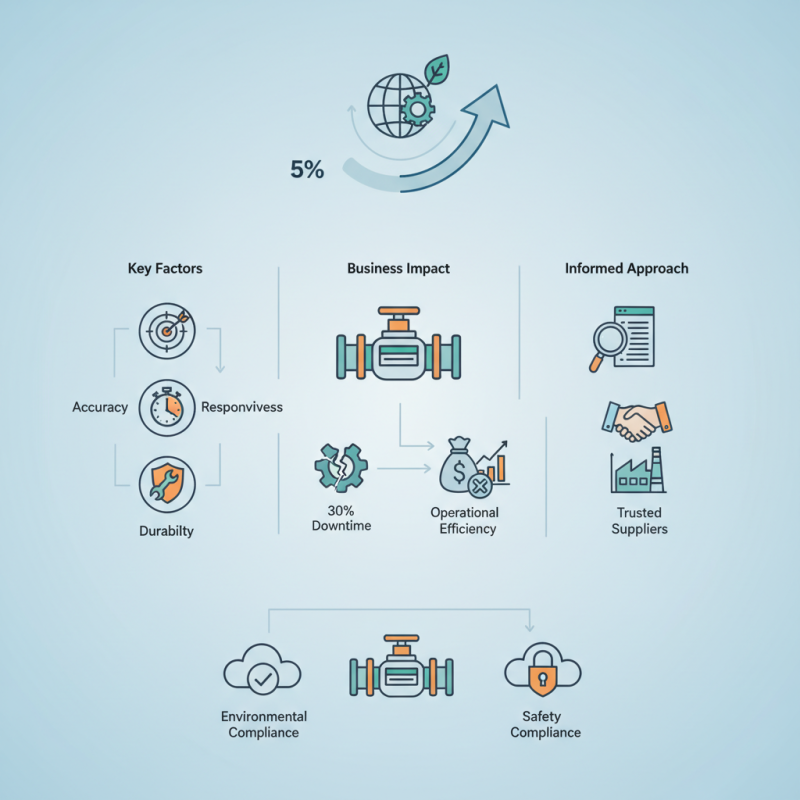
Choosing the right Dynamic Gas Distribution Instrument is critical for various industries, including energy and environmental monitoring. According to recent market analyses, the global demand for gas distribution instruments is expected to grow at a CAGR of over 5% in the next five years. This underscores the need for precision and reliability in gas distribution technologies.
When selecting these instruments, several factors come into play. Companies must consider accuracy, responsiveness, and durability. Reports reveal that nearly 30% of businesses experience downtime due to inefficient instrumentation, leading to potential revenue losses. A dependable Dynamic Gas Distribution Instrument ensures minimal disruption and maximizes operational efficiency.
However, not all instruments meet industry standards. Some may promise high performance but deliver inconsistent results. Users must critically assess specifications and seek trusted suppliers. Adopting an informed approach fosters confidence in making the right choice for dynamic gas distribution needs, ultimately supporting both environmental and safety compliance.
Understanding Dynamic Gas Distribution Instruments and Their Applications
Dynamic gas distribution instruments play a crucial role in various industries. They help in analyzing and measuring gas flow, ensuring processes are efficient and safe. Understanding their applications is vital for selecting the right tool for your needs.
In environmental monitoring, these instruments track air pollutants and greenhouse gases. They provide accurate data, which helps in compliance with environmental regulations. In the energy sector, they monitor gas flow in pipelines. Proper monitoring prevents leaks and improves safety, which is essential for operation and maintenance.
The choice of instrument often involves trade-offs. Not every tool is suited for every environment. Factors like sensitivity, calibration, and material compatibility must be considered. Gathering information from multiple sources is vital. Consulting with experts can guide you to the best decision. Remember to reflect on your specific requirements to avoid common pitfalls.
Key Factors to Consider When Selecting a Dynamic Gas Distribution Instrument
When selecting a dynamic gas distribution instrument, several key factors must be considered. One important aspect is the instrument's accuracy and sensitivity. An accurate reading means reliable data, which is essential for any project. Look for instruments that are tested and certified by reputable organizations. This validation increases trust in the results.
Another factor involves the instrument's usability and user interface. The best instruments are intuitive and easy to operate. Complex setups can lead to user error and inaccuracies. Choosing a model that encourages straightforward operation ensures that even inexperienced users can gather precise measurements.
Additionally, consider the instrument's maintenance requirements. Regular upkeep is crucial for maintaining performance. Instruments that demand excessive maintenance may become burdensome over time. Reflect on your capability to handle these tasks and if the model aligns with your operational capacity.
Comparison of Different Types of Dynamic Gas Distribution Instruments
When selecting a dynamic gas distribution instrument, various options exist, each with unique features. A common type is the mass flow meter. This instrument excels in measuring the mass of gases, which ensures accurate results. Its design accommodates varying gas densities and flow rates. However, calibration is crucial. Inaccurate settings may lead to erroneous readings.
Another type is the volumetric flow meter. These instruments measure the volume of gas flowing. They can be easier to use but may lack precision under changing conditions. It is worth noting that temperature fluctuations can impact measurements. Regular maintenance is necessary to mitigate these issues.
Users must also consider pressure compensation. Instruments without this feature might provide misleading data. Additionally, the installation environment can affect performance. Dust, moisture, or extreme temperatures can introduce errors. Users should assess these factors thoroughly before making a choice. Each instrument has its pros and cons. It's essential to weigh these aspects in relation to specific application requirements.
Evaluating Accuracy and Reliability in Gas Distribution Measurement
When evaluating dynamic gas distribution instruments, accuracy and reliability are paramount. Precision in measurement affects operational efficiency. A small error in gas distribution can lead to significant issues. It may increase costs or impact safety. Thus, understanding an instrument's calibration process is crucial. Regular calibration helps maintain accuracy. Check the manufacturer's guidelines on how often this should occur.
Reliability is not just about performance; it's also about consistency. Instruments should provide stable results under varying conditions. Environmental factors can influence readings. For example, temperature fluctuations might skew data. Reading the instrument's specifications helps predict its performance. Look for reviews that discuss how the device behaves in real-world scenarios.
Also, consider user experience. A tool may have great specs but fail in practical use. Feedback from peers is invaluable. It can highlight overlooked issues. Pay attention to how easy the instrument is to operate. Complexity can lead to errors. Remember, the goal is to enhance operational efficiency.
Maintenance and Calibration Tips for Optimal Instrument Performance
Maintaining and calibrating your dynamic gas distribution instrument is crucial for accurate readings. Regular calibration ensures that the instrument measures correctly, which directly impacts your data reliability. Checking calibration standards periodically saves time and resources in the long run. Missing a calibration cycle can lead to significant measurement errors, affecting your overall results.
When performing maintenance, focus on cleaning and inspecting all components. Contaminants can alter performance. Keep an eye on the sensors, as they are sensitive and can drift over time. It’s often easy to overlook minor wear and tear, leading to major issues later. Documenting each maintenance session also aids in tracking instrument performance and identifying patterns.
Incorporate a routine schedule for both maintenance and calibration. This not only enhances performance but ensures compliance with best practices. Even experienced operators may forget these steps under pressure. Create reminders and training programs for your team to reinforce these practices. Sharing insights and experiences among team members will foster a culture of reliability.
Dynamic Gas Distribution Instrument Performance Metrics
This chart illustrates the performance metrics of various dynamic gas distribution instruments, focusing on their calibration stability, maintenance frequency, and overall accuracy. These metrics are essential in ensuring optimal performance and reliability in gas distribution applications.