How to Choose the Right Electrical Steel for Your Project?
Choosing the right Electrical Steel for your project can significantly impact performance and efficiency. According to a recent report by the International Energy Agency, electrical steel usage in transformers and motors is projected to grow by 5% annually, driven by renewable energy demands. This material is crucial for minimizing energy losses in electrical devices.
Electrical Steel comes in different grades, each suited for specific applications. High-grade silicon steel, for instance, is known for its low losses and high permeability. This leads to improved operational efficiency. However, it is essential to consider the trade-offs. Higher grades may cost more and may not be necessary for all projects.
Selecting Electrical Steel often involves a careful analysis of properties like core losses, magnetic saturation, and mechanical strength. Some projects might benefit from lower-grade steel to cut costs. Yet, compromise in performance can result in long-term inefficiencies. A thorough understanding of your project's requirements is essential to make the best choice.
Understanding Electrical Steel Types and Their Applications
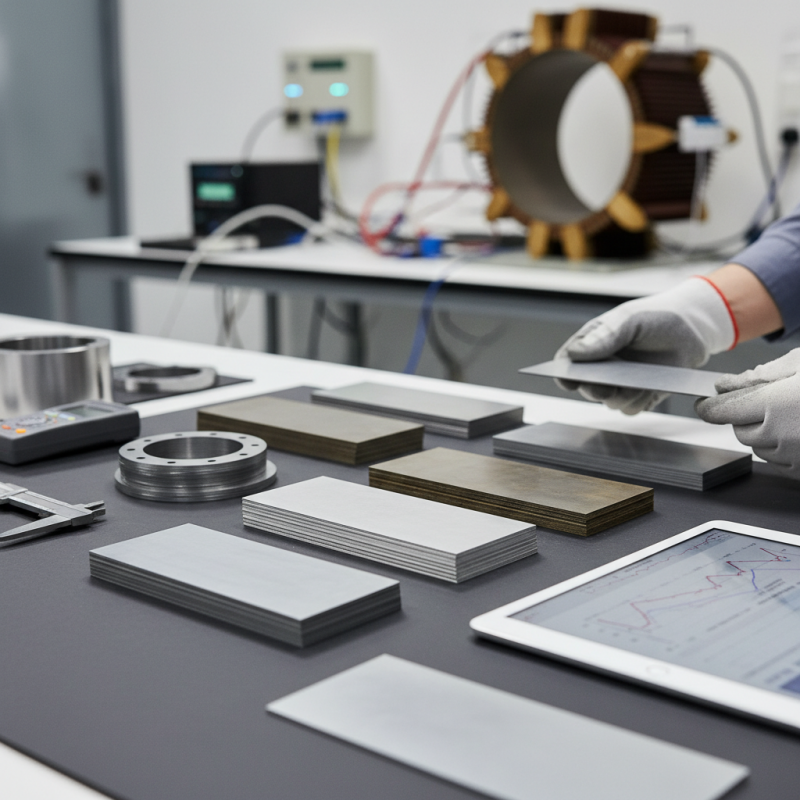
Choosing the right electrical steel is crucial for your project's success. Electrical steel is used in transformers, motors, and generators. Understanding the types can greatly influence performance and efficiency. There are two main types: silicon steel and amorphous steel. Silicon steel is widely used due to its magnetic properties. Amorphous steel offers lower energy losses, but it can be more expensive.
Tips: Always evaluate the specific requirements of your application. Consider factors like operating temperature and efficiency. Each type has its strengths and weaknesses. Sometimes, the cheapest option isn't the best for performance.
Pay attention to core losses. Silicon steel might seem cost-effective, but it can lead to higher energy losses over time. Amorphous steel can deliver long-term savings. It's a balance between cost and efficiency.
Ultimately, it’s essential to match the steel type with your project's goals. Each application might call for a different approach. Don't rush the decision. Take the time to weigh your options and understand your needs. Every project is unique and requires thoughtful consideration.
Key Properties of Electrical Steel to Consider for Projects
Choosing the right electrical steel can greatly impact your project’s efficiency and performance. Key properties such as permeability, core loss, and mechanical strength should be evaluated carefully. Permeability is critical; it determines how easily magnetic fields can pass through the material. Higher permeability often leads to better performance but can be more challenging to manufacture.
Tip: Always consider the balance between cost and performance when selecting materials. A highly permeable steel might not be affordable for all projects. Assess your budget and project needs carefully before making a decision.
Core loss is another crucial factor. It impacts energy efficiency, especially in transformers and motors. Lower core losses mean more efficiency, but sometimes come at a higher price. Ensure you have precise core loss data for the steel you consider.
Tip: Don't overlook the sourcing of your materials. Ethical procurement can also influence project success. Speaking of strength, if you’re working in harsh environments, the mechanical strength of the electrical steel becomes vital. It should be able to withstand the stresses without deformation. Consider these details before finalizing your choice.
Key Properties of Electrical Steel
This chart displays the key properties of electrical steel that are important to consider when selecting material for your project. The properties measured include magnetic saturation, core loss, electrical conductivity, thickness, and permeability.
Evaluating Performance Requirements for Your Electrical Steel Needs
Choosing the right electrical steel involves careful evaluation of your performance requirements. Electrical steel, primarily used in transformers and electric motors, is defined by its magnetic properties. Factors like core loss, saturation flux density, and permeability play crucial roles. Reports indicate that high-quality electrical steel can reduce core losses by up to 40%, enhancing efficiency.
When selecting electrical steel, consider the operating environment. High temperatures can diminish performance. Some alloys perform better under specific conditions. For instance, non-oriented electrical steel is often used in motor applications due to its isotropic magnetic properties. This choice can lead to significant energy savings in high-demand applications.
Tips: Always review the datasheet for magnetic characteristics. It is essential to balance cost and performance. Remember, not all applications require the highest grade steel.
Understanding your project's specific needs will narrow down your options. Reflect on whether standard grades meet your demands. There’s a risk in underestimating specifications. Lower grades may lead to higher operational costs over time. Therefore, take the time to analyze all variables involved in your decision.
Sourcing and Cost Considerations for Electrical Steel Selection
When selecting electrical steel for your project, sourcing and cost are crucial considerations. The quality of electrical steel can vary widely. Prices fluctuate based on market demand and material specifications. You want to ensure you’re getting the most value for your investment, but it’s not always straightforward.
Researching suppliers is essential. Some may offer lower prices, but their quality may not meet your project’s needs. Look for suppliers with a reliable track record. Gathering multiple quotes can help you identify reasonable prices. Don't just settle for the lowest bid—evaluate quality and service too.
Also, consider the specific requirements of your application. Different projects might need unique grades of electrical steel. It’s easy to overlook this. Sometimes, the cheapest option can lead to inefficiencies or failures down the road. Make sure to reflect on how your choice impacts the entire project lifecycle and budget.
Balancing cost with performance is a challenge worth addressing thoughtfully.
Best Practices for Testing and Quality Assurance in Electrical Steel
When working with electrical steel, testing is crucial. Quality assurance measures help ensure the material meets specific standards. Begin with mechanical property testing. This includes measuring tensile strength and elongation. Test samples must be uniform and precisely cut. Any flaws can lead to unreliable results.
Next, assess magnetic properties. Core loss tests are vital here. The equipment needs calibration for accurate measurements. Compromised testing conditions yield inconsistent data. Always review the environment where tests occur. Temperature and humidity can affect outcomes significantly.
Visual inspections also play a role. Detect surface defects early. Even small imperfections can impact performance. Implementing regular quality checks helps maintain standards. Adhering to best practices is essential but can be challenging. Continuous improvement should be a goal for manufacturers in this field.