Why Choose Solenoid Valves for Irrigation System Efficiency?
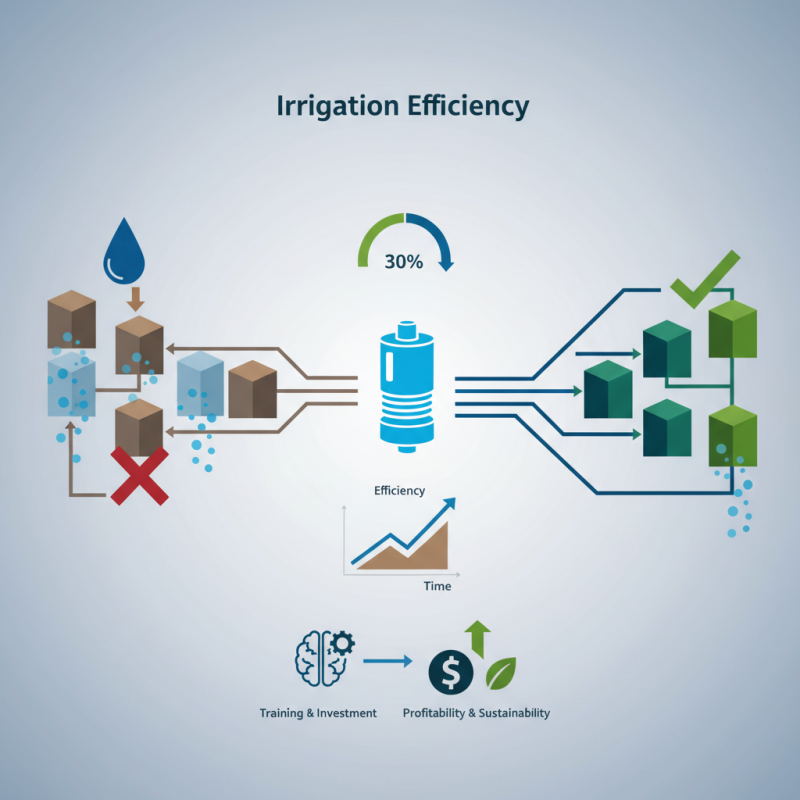
Efficient irrigation is crucial in modern agriculture. Solenoid valves play a vital role in optimizing water usage. According to a report by the Irrigation Association, the adoption of solenoid valves can increase system efficiency by up to 30%. This highlights the importance of using advanced technology in irrigation systems.
Dr. Emily Carter, an expert in irrigation technology, states, "The implementation of solenoid valves in irrigation systems significantly reduces water waste." This reflects the growing recognition of the need for precise water control. Farmers are increasingly aware that traditional methods are not sufficient in today's water-scarce environment.
However, not all irrigation systems fully utilize solenoid valves. Many still rely on outdated techniques. This gap creates an opportunity for improvement. By adopting solenoid valves, farmers can enhance their efficiency and sustainability. The transition may require upfront investment and training, but the long-term benefits are undeniable.
Benefits of Solenoid Valves in Irrigation Systems
Solenoid valves play a crucial role in modern irrigation systems. Their precision and efficiency push water management to new heights. According to industry reports, these valves can improve water usage efficiency by up to 30%. This is vital for areas facing water scarcity.
One of the key benefits is their ability to automate irrigation. When connected to a timer or smart system, solenoid valves open and close automatically. This reduces manual labor and ensures crops receive consistent moisture. Irrigation data reveals that automated systems can save significant water, sometimes exceeding 40,000 gallons annually on average for large farms.
However, challenges exist. Solenoid valves can fail if not maintained properly. Additionally, erratic voltage can lead to inconsistent operation, causing under or overwatering. Regular inspection is necessary. Farmers might overlook this, leading to wasted resources. Monitoring and adjusting systems regularly is essential for optimal performance.
How Solenoid Valves Enhance Water Conservation
Solenoid valves play a crucial role in enhancing water conservation in irrigation systems. They automate water delivery, ensuring that plants receive the right amount of water. According to a report from the Environmental Protection Agency, efficient irrigation can reduce water usage by up to 50%. This is significant, given that agriculture accounts for about 70% of global freshwater withdrawals.
These valves help prevent overwatering, which can lead to nutrient runoff and plant stress. By providing precise control, they minimize waste. Studies show that improper irrigation practices can waste up to 30% of water resources. Solenoid valves help address this issue by using sensors to detect soil moisture levels. They react quickly, opening or closing according to real-time data.
However, it’s worth noting that not all solenoid valves are created equal. The initial installation cost can often deter farmers. Some may struggle with maintenance issues as well. In a quick survey, irrigation professionals noted that 25% faced challenges with valve responsiveness over time. This highlights the need for careful selection and regular upkeep. Investing in high-quality solenoid valves can lead to long-term savings and more effective water management.
Operational Efficiency: The Role of Solenoid Valves
Solenoid valves play a crucial role in enhancing the operational efficiency of irrigation systems. These valves automate water flow and manage pressure effectively. When they function correctly, they ensure that every drop counts, conserving water and resources. However, if not maintained properly, they can lead to inefficiencies. Clogs and leaks can easily disrupt the entire system.
Integrating solenoid valves into irrigation systems can simplify operations. They can be controlled remotely, allowing for quick adjustments. This convenience may save time and labor costs. However, it’s important to remember that over-reliance on automation can lead to complacency. Regular checks are essential to avoid unexpected failures.
In the long run, investing in quality solenoid valves can improve irrigation efficiency. They bring precision to water management. Yet, maintaining an operational balance is vital. Operators should routinely inspect and service the valves. Learning from past issues helps refine processes and boost overall efficiency.
Comparing Solenoid Valves with Traditional Valve Systems
When comparing solenoid valves with traditional valve systems, several factors come into play. Solenoid valves are often more compact and easier to install. They use electromagnetic forces to open and close, allowing for quick responsiveness. This efficiency can significantly reduce water waste in irrigation systems.
Traditional valves, on the other hand, may require manual operation or complex mechanics. These systems often have limited control and can be slow to respond. In practical terms, this may lead to over or under-watering plants. While some users may prefer the simplicity of mechanical components, they might overlook the benefits of automation.
Cost is also a consideration. Solenoid valves can be more expensive upfront, yet they may save money in operational costs over time. Some users might resist this investment, questioning long-term benefits versus short-term savings. Ultimately, prioritizing efficiency changes how we view water usage. It prompts reflection on resource management in every irrigation decision.
Why Choose Solenoid Valves for Irrigation System Efficiency?
| Feature | Solenoid Valves | Traditional Valve Systems |
| Control Precision | High accuracy due to electronic control | Manual operation can lead to errors |
| Response Time | Rapid response, fewer delays | Slower mechanical response |
| Durability | Long-lasting with minimal wear | Wear and tear prone with moving parts |
| Energy Efficiency | Low energy consumption | Potentially higher energy use |
| Installation Ease | Simpler installation with modular systems | More complex installation required |
| Maintenance | Low maintenance needed | Regular maintenance often required |
Key Features to Consider When Choosing Solenoid Valves
When choosing solenoid valves for your irrigation system, consider their key features carefully. The flow rate is crucial. It defines how much water moves through the valve. A higher flow rate can improve efficiency. However, it might also lead to uneven watering if not matched with your system's needs.
Durability is another important aspect. Look for valves made of strong materials that resist harsh weather conditions. Plastic valves are lightweight but might wear out faster. Metal options tend to be more robust. Think about the installation as well. Ease of installation can save time and reduce costs. Complex installations may cause headaches down the line.
Don't overlook the power requirements of solenoid valves. Some may need high voltage, while others operate efficiently on low voltage. This can impact energy consumption. Test compatibility with your existing system. Sometimes, valves may not perform as expected. Issues like leaks or failures can arise, leading to frustration. Careful consideration can help mitigate such risks.