How to Choose the Best Coiling and Packing Machine?
The choice of a Coiling and Packing Machine can greatly impact production efficiency. According to Jane Smith, a leading expert in the packaging industry, “The right machine can streamline operations and reduce waste.” This highlights the importance of selecting the most suitable equipment for your specific needs.
When evaluating Coiling and Packing Machines, consider various factors. Features, speed, and reliability matter. Look for user-friendly controls and robust design. You might face challenges in determining the best fit. With so many options, making a decision can be overwhelming. Not every machine meets every requirement.
Reflecting on experiences shared by industry professionals can guide your choices. Many have encountered expensive mistakes, like choosing the wrong type of machine. Each selection process requires careful thought. The impact of your decision will resonate throughout your operations for years to come.
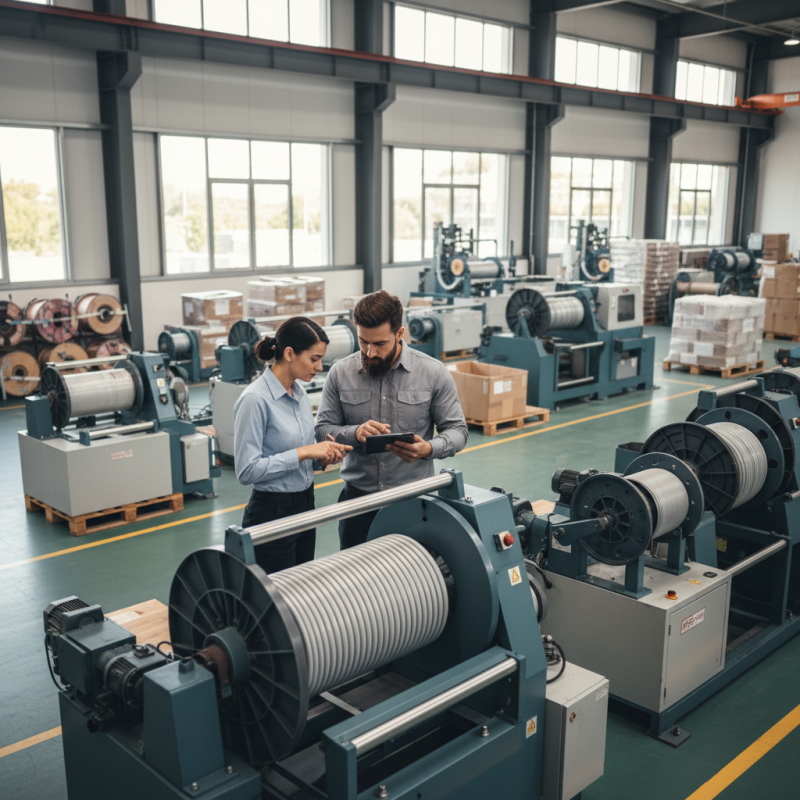
Factors to Consider When Selecting Coiling and Packing Machines
When selecting a coiling and packing machine, several factors come into play. Identify your specific needs. What materials will you be working with? Some machines excel with certain types of products. Consider the dimensions of your workspace too. Large machines may not fit in smaller facilities. Assessing these practical aspects is critical.
Efficiency is another key consideration. Look for machines that offer reliable speed and accuracy. A faster packing process can boost productivity. However, don't sacrifice quality for speed. Strive for a balance. Also, evaluate the ease of use. Complex operations might require extensive training, which can impact your workflow.
Don’t forget maintenance demands. Some machines need frequent servicing, which can lead to downtime. Reflect on your team’s technical skills too. A lack of expertise can be a pitfall. Inadequate training may cause operational errors that affect your output. Ultimately, careful thought can lead to better selection, but remain open to adjustment as your needs evolve.
Understanding Different Types of Coiling and Packing Equipment
When looking for coiling and packing equipment, it's essential to understand the different types available. Common options include semi-automatic, automatic, and fully automatic machines. Each has its own benefits and limitations. Semi-automatic machines require more manual input but are often more cost-effective. Automatic machines can handle medium-sized operations. Fully automatic machines are best for high-volume production but come with a higher price tag.
Consider the materials you'll be working with. Some machines are designed for specific products, like cables or films. If you plan to pack varied products, versatility will be key. Look into the size and dimensions of your workspace, too. Machines can differ significantly in size. A larger machine may not be suitable for a compact space.
It's vital to assess the production speed. Higher speeds can lead to greater efficiency but might require more training for your team. Many users report struggles with machine maintenance as well. Machines can break down unexpectedly, leading to downtime. Regular maintenance can be overlooked, which is problematic. Reflect on your needs and your team's capability to handle these machines efficiently.
Evaluating Key Specifications: Speed, Size, and Material Compatibility
When choosing a coiling and packing machine, evaluating key specifications is vital. Speed is a significant factor. The right machine should meet production demands. A speed too high can lead to errors. Conversely, a slower machine might not keep up with workflow. Assess your production rates to find an ideal match.
Size matters as well. Coiling and packing machines come in various dimensions. Ensure the machine fits your workspace. A compact machine can save space but may limit output. On the other hand, a large machine might require more maintenance and upkeep. Choose wisely based on your environment and operational needs.
Material compatibility is another critical consideration. Different machines handle various materials. Consider the types of products you will pack. A machine best suited for flexible materials may not work well with rigid items. Testing with actual samples can help identify the right fit. Each decision impacts your overall efficiency and effectiveness in packaging operations.
How to Choose the Best Coiling and Packing Machine? - Evaluating Key Specifications: Speed, Size, and Material Compatibility
| Specification | Option A | Option B | Option C |
| Speed (units/hour) | 100 | 150 | 200 |
| Size (LxWxH in mm) | 2500x1200x1500 | 2800x1400x1600 | 3000x1500x1700 |
| Material Compatibility | Plastic, Paper | Metal, Plastic | Paper, Metal |
| Power Consumption (kW) | 5.5 | 7.0 | 8.5 |
| Weight (kg) | 800 | 1000 | 1200 |
Assessing Manufacturer Reputation and Industry Standards Compliance
When selecting a coiling and packing machine, it's crucial to assess the manufacturer's reputation. Look for companies with a solid track record in the industry. Longevity often indicates quality and reliability. Customer reviews can provide insights into actual user experiences. A high volume of positive reviews typically suggests trustworthiness. Pay attention to any repeated concerns. These might signal underlying issues worth considering.
Industry standards compliance is another critical factor. Check if the manufacturer adheres to recognized safety and quality standards. Certified equipment can reduce the risk of malfunctions and production delays. Non-compliance may lead to costly problems down the line. Inspecting this aspect ensures that you choose equipment built to last and perform well.
However, not every manufacturer meets expectations. Some may focus on cutting costs rather than quality. Research is key. Contact fellow users for their input. Gather as much information as possible before making your choice. This may save you time and money in the long run. It’s essential to find a balance between cost and quality.
Cost Analysis: Budgeting for Purchase and Maintenance of Machines
When budgeting for a coiling and packing machine, consider both purchase and maintenance costs. The initial investment can be significant. Reports indicate that these machines often range from $20,000 to over $100,000. This wide range reflects varying features, automation levels, and production capacities. It's crucial to assess your production needs carefully. A machine that seems affordable might not fit your operations well.
Maintenance expenses also add to the overall budget. Industry data reveals that annual maintenance can cost about 5-10% of the machine's purchase price. This means a $50,000 machine could incur $2,500 to $5,000 each year in upkeep. Neglecting regular maintenance can lead to costly repairs and increased downtime. Many operators overlook this aspect, leading to inefficient production.
In conclusion, understanding these financial aspects can help you make an informed decision. An ideal machine balances cost with performance. Many businesses regret not investing in higher-quality models. They face frequent breakdowns and higher long-term costs. Knowing your budget is essential, but understanding total costs can guide better choices.