
Farming Drones have revolutionized agriculture. They provide farmers with valuable data and insights. Choosing the right drone can be overwhelming.
Different models serve different purposes. Some are designed for crop monitoring, while others are ideal for spraying pesticides. Understanding your specific needs is crucial. Consider factors like terrain, crop type, and desired features.
With so many options, finding the best farming drones may seem daunting. Quality and reliability are key. Researching reputable brands can save you time and money. Experienced users recommend focusing on ease of use and support. Not all drones are created equal, and poor choices can lead to frustration. Balancing cost and functionality is essential for a successful investment.
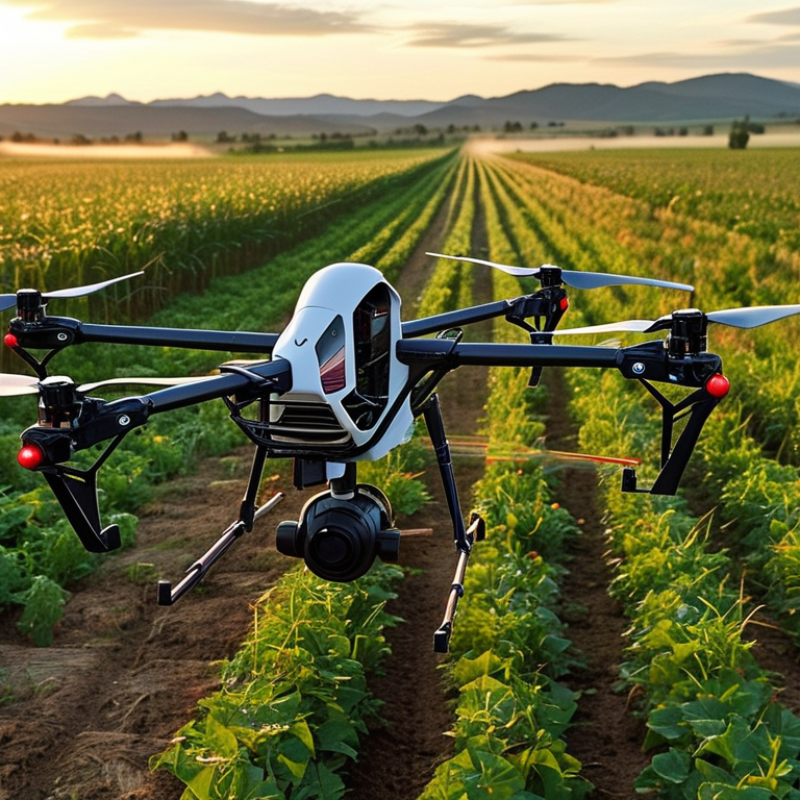
Farming drones come in various types, each designed for specific tasks. Understanding these differences is crucial for farmers. Fixed-wing drones are known for covering larger areas efficiently. They are ideal for crop mapping and surveying. Their long battery life allows them to operate over extensive fields. However, they may not be as effective for smaller plots.
Multirotor drones, on the other hand, excel in precision work. They are perfect for targeted spraying and monitoring specific plants. Their agility allows them to maneuver around obstacles like trees and buildings. Nonetheless, they have a limited flight time and may struggle with larger landscapes.
Hybrid drones combine features from both designs. They offer the versatility needed for various tasks. However, they can be more complex to operate. Make sure to consider your specific farming needs. Each type has its pros and cons, and the choice may not be straightforward. Reflecting on your operational requirements can lead to better decision-making. Balancing efficiency and functionality is essential in selecting the right drone.
When selecting farming drones, key features play a vital role in making the right choice. First, consider the drone's sensor capabilities. High-resolution cameras and multispectral sensors can help monitor crop health and identify issues early. Look for drones that provide real-time data analysis. This can enhance decision-making in your farming practices.
Battery life is another critical aspect. A drone with longer flight time will cover more ground. Aim for drones that can operate for 30 minutes or more on a single charge. This feature allows for larger areas to be scanned without frequent interruptions.
Furthermore, consider the drone's ease of use. Some models come with automated flight features. This can reduce the learning curve for inexperienced operators. However, ensure that the software interface is user-friendly. If not, it could lead to frustration and inefficiency. Finally, check the support and resources available for the drone. Reliable customer service can make a significant difference in your operations.
When choosing the best farming drones, it’s crucial to assess your specific agricultural needs. Consider the size of your farmland. A large field may require a drone with a longer flight range and bigger payload capacity. Meanwhile, smaller farms might benefit from lighter, more agile models. Understand the types of crops you grow as well. Different drones specialize in various tasks. Spraying, mapping, or monitoring—each task demands specific features.
Evaluate the level of technology you are comfortable with. Some models offer advanced analytics and real-time data. This may be overwhelming for beginners. Simpler drones can still offer benefits without excessive complexity. Research the terrain of your land too. Hilly or uneven landscapes might need drones with enhanced stability and adaptability. Drones can fail, so consider backup options for critical times, like planting or harvesting. Establishing a balance between technology and usability is key. Reflect on your farm's unique requirements to make the right choice.
| Feature | Description | Importance Level |
|---|---|---|
| Flight Time | Duration the drone can fly on a single charge. | High |
| Payload Capacity | Weight the drone can carry, including sensors and cameras. | Medium |
| Camera Quality | Resolution and features of the onboard camera for aerial imaging. | High |
| GPS and Navigation | Integration of GPS for precise positioning and mapping. | High |
| Software Compatibility | Ability to integrate with agricultural management software. | Medium |
| Range | Maximum distance from the operator in which the drone can operate. | Medium |
| Battery Type | The type of battery used which impacts charging time and lifespan. | Medium |
| Durability | Resistance to weather conditions and wear during usage. | High |
| Cost | Overall expense including purchase price and maintenance. | High |
When evaluating the cost-effectiveness of farming drones, one must consider various factors. The initial investment can be daunting. However, the long-term benefits might outweigh the costs. Farmers need to analyze their specific needs. Each farm is unique, and so are its requirements.
In assessing budget options, it's essential to balance quality with affordability. Cheaper drones may not offer the desired durability or features. Investing a bit more might ensure better performance and longevity. Yet, this does not mean overspending. Options exist that strike a balance between price and functionality. Sometimes, less expensive models provide sufficient capabilities.
Reflecting on real-world applications, many farmers have experienced mixed results. Some drones fail to capture high-resolution images, limiting their effectiveness. Others may lack user-friendly interfaces, complicating operation. Gathering feedback from fellow farmers can be invaluable. It helps in avoiding costly mistakes. Each drone choice should reflect a thorough understanding of both the farm's needs and financial constraints.
When choosing the best farming drones, relying on reviews can guide your decision. Many farmers overlook the importance of community feedback. A study by AgFunder notes that 70% of farmers prefer recommendations from peers. This highlights the role of real user experiences in making informed choices.
Investigating online reviews is vital. Platforms like agricultural forums and social media groups often contain valuable insights. In fact, TechNavio reports that detailed reviews can improve purchasing decisions by up to 40%. Users discuss efficiency, durability, and ease of use. Reading these firsthand accounts can save time and money.
While data-driven insights help, opinions can vary. Some reviews may favor one feature while ignoring others. It’s crucial to weigh both positive and negative feedback. Often, what works for one user may not meet another's needs. This variability underscores the necessity of critical thinking when evaluating options. Your farming requirements will ultimately shape the best choice for you.