How to Choose the Best PVC Tarpaulin for Your Needs?
When choosing the best PVC Tarpaulin for your needs, consider its various applications and features. The global tarpaulin market was valued at $2.3 billion in 2022, with PVC Tarpaulin specifying a significant share due to its durability and versatility. This material is used in industries ranging from agriculture to construction, underscoring its importance.
PVC Tarpaulins are known for their water resistance and UV protection. However, selecting the right type can be confusing. Different weights, thicknesses, and coatings can impact performance. According to industry reports, the right specifications can enhance both longevity and effectiveness. Misunderstanding these details may lead to subpar choices.
Taking the time to evaluate your specific needs is critical. Look into the tarpaulin's intended use and environmental conditions. For example, heavy-duty options are essential for construction, while lighter ones might suffice for shade or cover. Reflect on how the wrong choice can lead to costly repairs or replacements. The right PVC Tarpaulin should not only meet your immediate requirements but also stand the test of time.
Understanding PVC Tarpaulin: Types and Benefits
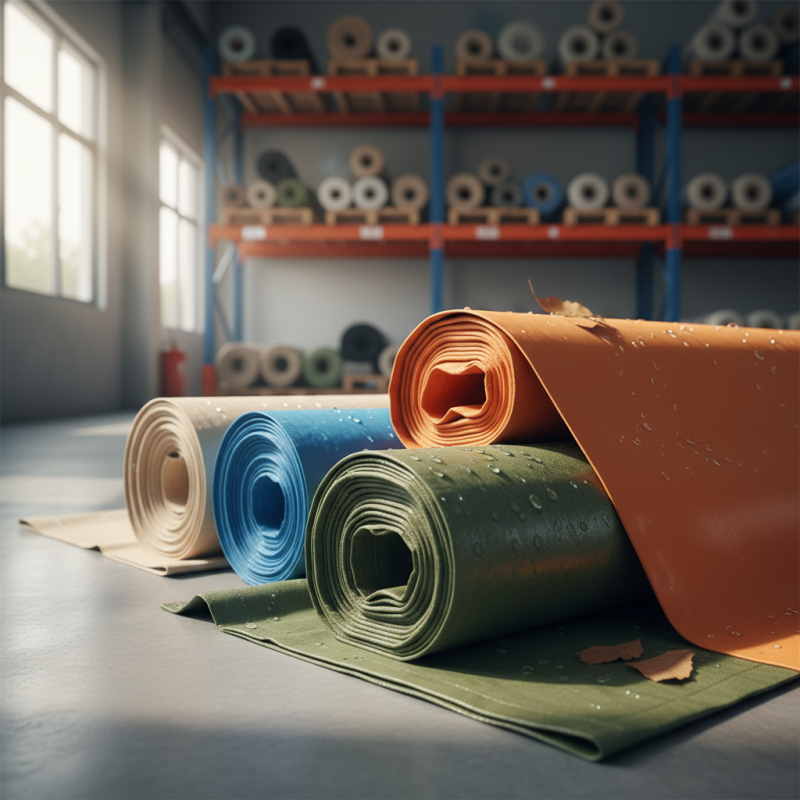
PVC tarpaulin is a versatile material widely used in various applications. It is made from polyvinyl chloride and offers durability and resistance to water, UV rays, and chemicals. Understanding its types can help you choose the right one for your needs. There are several types, including coated and laminated tarpaulins. Each has its own benefits, depending on your requirements.
When considering PVC tarpaulin, think about its intended use. Will it be exposed to harsh weather? If yes, opt for a heavy-duty variant. If you need something lighter, a coated tarpaulin might be sufficient. Assessing the weight and thickness is crucial. Heavier tarpaulins offer better protection but can be cumbersome.
Tips: Always measure your space before purchasing. This ensures the tarpaulin fits your needs perfectly. Consider the color and design as well. A more vibrant option might stand out but could fade faster under sunlight. Stay mindful of your budget too. Cheaper options might not provide the durability you need, leading to regret later on.
Key Factors to Consider When Selecting PVC Tarpaulin
Choosing the right PVC tarpaulin is essential for various uses. It can be used for tents, truck covers, or outdoor storage. Several key factors are vital to making the right selection.
Durability is crucial. Look for thickness, measured in millimeters. A thicker tarp often means better resistance to wear and tear. Consider the environment it will face. UV rays and extreme weather can degrade materials over time. Make sure to select a tarp that withstands these conditions.
Another important factor is flexibility. Some tarpaulins become stiff in cold weather. This can make them difficult to work with. Check the temperature range. A tarp that can handle varying temperatures will be more versatile.
**Tips:** Always imagine your specific needs. For instance, will it be exposed to heavy rainfall? Ensure it is waterproof. Think about how you will store it when not in use. A tarp that folds easily can save space.
Lastly, consider the weight. Heavier tarpaulins can provide better protection but are harder to move. If you're unsure, test different options. Sometimes, less weight could fit your needs better. Reflect on what features matter most for your situation.
How to Choose the Best PVC Tarpaulin for Your Needs? - Key Factors to Consider When Selecting PVC Tarpaulin
| Factor | Description | Recommended Use |
| Material Quality | Check for high tensile strength and resistance to UV rays and abrasion. | Heavy-duty applications like truck covers and outdoor events. |
| Thickness | Thicker tarpaulins offer better durability and protection. | Construction sites and harsh weather conditions. |
| Water Resistance | Ensure the tarpaulin is waterproof to prevent leakage. | Covering equipment and protecting goods from rain. |
| Weight | Lighter tarpaulins are easier to handle but may sacrifice strength. | Temporary covers and lightweight storage. |
| Color | Choose a color based on visibility needs and heat absorption properties. | Events, signage, and camouflaging. |
| Fire Retardant | Look for tarpaulins that are treated for fire resistance. | Use in industrial settings and festivals. |
| Cost | Evaluate your budget while considering long-term durability. | Individual use and commercial purposes. |
Evaluating Thickness and Durability of PVC Tarpaulin
When selecting a PVC tarpaulin, thickness and durability are crucial factors. Research shows that tarpaulins with a thickness of at least 0.5mm often provide better durability. They resist tearing and fading under harsh conditions. A well-made PVC tarpaulin can last for over five years with proper care. However, thinner sheets may degrade within months.
Testing shows that high-quality PVC tarpaulins have a tensile strength of around 300 to 800 N/5cm. This strength is essential for applications like truck covers or sports facilities. It’s important to balance thickness with flexibility. While thicker materials can withstand heavy loads, they may become rigid in cold temperatures. The way you intend to use the tarpaulin plays a significant role in your choice.
Environmental considerations are also vital. PVC tarpaulins can contribute to plastic waste if not disposed of properly. Many manufacturers now offer recycling options, though they are not widely utilized. Understanding these aspects can help in making a more sustainable choice while still meeting your durability needs.
Comparison of PVC Tarpaulin Thickness and Durability
Assessing UV Resistance and Weatherproof Features
When selecting a PVC tarpaulin, assessing its UV resistance and weatherproof features is essential. According to the American Society for Testing and Materials (ASTM), a quality tarpaulin should block up to 99% of harmful UV rays. This is critical for outdoor use. Prolonged exposure to the sun can degrade materials quickly. Choose tarps designed to resist fading and cracking over time.
Weatherproof characteristics also matter. Research indicates that high-quality tarpaulins maintain their integrity even in extreme temperatures, from freezing cold to scorching heat. A report by the Performance Testing Laboratories states that durable tarpaulins can withstand winds of up to 60 mph when properly secured. Look for features like reinforced seams and waterproof coatings. But not all materials offer the same level of protection. Some cheaper options may only provide a temporary shield against moisture.
It's vital to reflect on the intended use. Will the tarp face heavy rain or intense sunlight? Make sure to invest in a product that meets your specific climate needs. Many consumers overlook these factors, leading to premature wear and limited functionality. Proper evaluation can save you from future frustrations. Remember, a smart purchase considers both UV resistance and weatherproof capabilities.
Cost Considerations and Supplier Reliability for PVC Tarpaulin
When selecting the best PVC tarpaulin, cost is a crucial factor. Industry reports indicate that high-quality PVC tarpaulins can range from $5 to $15 per square meter. Cheaper options often compromise durability. A cost-effective choice may seem appealing, but it can lead to frequent replacements. Investing wisely in quality can save overall expenses in the long term.
Supplier reliability is another key aspect. The market has seen inconsistencies with various suppliers. A report by the Industrial Fabrics Association International highlights that 30% of suppliers fail to meet customer expectations. This raises a red flag about quality assurance. Engaging with suppliers who provide certifications and transparent sourcing can mitigate risks. Doing thorough research on their track record is essential.
Understanding the balance between cost and reliability should not be overlooked. Testimonials and reviews are valuable, yet sometimes they can be misleading. Actual performance matters and should be prioritized. Asking for samples before purchasing can provide insight into the product quality. This step is often neglected but can yield significant benefits. Making informed decisions requires careful reflection on these factors.