What is an Electric Cargo Tricycle and Its Benefits?
The Electric Cargo tricycle is redefining urban logistics. With increasing demand for efficient transportation, these vehicles are becoming vital. Industry expert Michael Green once stated, "Electric cargo tricycles can transform last-mile delivery, offering sustainable and cost-effective solutions."
These vehicles combine the benefits of electric motors and cargo capacity. They are tailored for city streets. Their compact design allows for easy navigation through traffic. Moreover, they produce zero emissions, which is crucial for reducing urban pollution. Many businesses are now shifting towards this eco-friendly transportation method.
However, companies must address challenges. Infrastructure may not support extensive electric tricycle use. Charging stations are still limited in some areas. Despite these hurdles, the growing trend towards sustainability highlights the potential of Electric Cargo Tricycles. Each city must evaluate its readiness for this transition. The future of urban delivery may depend on embracing these innovative vehicles.
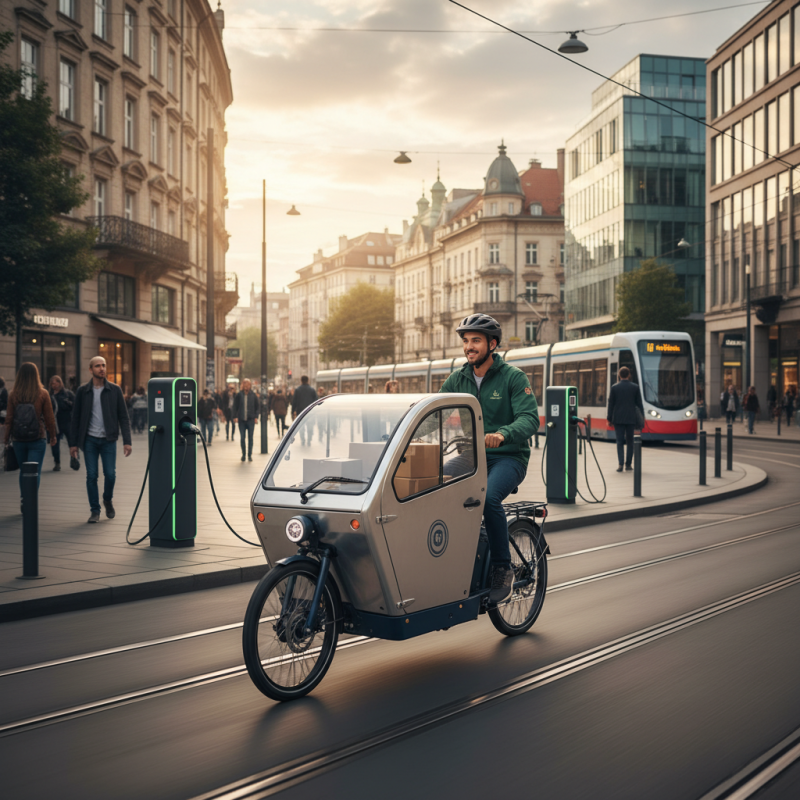
What is an Electric Cargo Tricycle? An Overview of Its Design and Functionality
Electric cargo tricycles are innovative vehicles designed for transporting goods efficiently. Their sturdy design includes three wheels, providing stability and balance. Typically, they feature a spacious cargo area at the back, which allows for easy loading and unloading. This design is perfect for urban environments, where narrow streets and heavy traffic can hinder other delivery vehicles.
Functionality is a key aspect of electric cargo tricycles. These vehicles usually come equipped with electric motors, which make them environmentally friendly. They operate quietly and require less maintenance than traditional gas-powered vehicles. This makes them an attractive option for businesses focusing on sustainability. Many models can carry significant weight, making them versatile for various uses, from delivering packages to transporting goods for local markets.
However, some users note challenges with battery life and charging infrastructure. In areas with limited charging stations, operations can be disrupted. Additionally, while they can handle moderate inclines, steep hills may pose a problem. These factors require careful planning by businesses. Overall, electric cargo tricycles are a practical choice, but users must consider their limitations.
What is an Electric Cargo Tricycle and Its Benefits?
| Feature | Description | Benefits |
| Design | Three-wheeled vehicle designed for transporting goods. | Stable and spacious, ideal for various cargo sizes. |
| Motor | Electric motor providing sustainable energy solutions. | Lower operating costs and reduced carbon footprint. |
| Capacity | Varied load capacities typically between 300 to 800 kg. | Can cater to diverse business needs and transport requirements. |
| Range | Typically 50 to 100 km per charge, depending on the model. | Allows for longer delivery routes without the need for constant charging. |
| Cost Efficiency | Lower maintenance and energy costs compared to traditional vehicles. | Reduces overall operational expenses for businesses. |
| Maneuverability | Designed for urban environments and narrow pathways. | Easier navigation in congested areas compared to larger vehicles. |
| Sustainability | Utilizes electricity as a clean energy source. | Contributes to a greener environment and adherence to regulations. |
Key Benefits of Electric Cargo Tricycles for Urban Transportation
Electric cargo tricycles are transforming urban transportation. They offer a sustainable way to deliver goods and navigate congested streets. These vehicles are equipped with electric motors, making them quieter and cleaner than traditional delivery options. They rely on rechargeable batteries, reducing reliance on fossil fuels. With their compact size, they can easily maneuver through tight spaces.
One significant benefit is their ability to reduce traffic congestion. By replacing larger delivery trucks, electric cargo tricycles take up less road space. They contribute to lower emissions, which is crucial for improving urban air quality. Electric tricycles can operate in city centers where larger vehicles might be restricted. Their versatility makes them suitable for various cargo types, from groceries to mail.
Despite their advantages, electric cargo tricycles face challenges. Battery range can be a limitation for longer deliveries. The initial investment is another hurdle for some businesses. Not all routes are ideal for these vehicles, especially hilly areas. However, as infrastructure improves, these challenges may lessen. Cities are increasingly adapting to support such eco-friendly transportation solutions.
Market Trends: Growth Statistics of Electric Cargo Tricycle Adoption
The electric cargo tricycle market is experiencing significant growth. Industry reports indicate that the adoption of electric cargo tricycles is projected to increase by 25% annually through 2025. This rise is attributed to growing urbanization and heightened environmental awareness. With cities becoming more congested, businesses are seeking efficient delivery solutions. Electric cargo tricycles offer an eco-friendly alternative to traditional vehicles.
Many delivery services are now switching to electric cargo tricycles. A recent study revealed that these vehicles reduce operational costs by up to 30%. They also have lower maintenance costs compared to fossil fuel-powered options. However, challenges remain. Infrastructure for charging and parking must improve. Additionally, there are concerns about battery life and payload capacity. Addressing these issues is crucial for sustained growth in this market.
Tip: When considering an electric cargo tricycle, evaluate your local infrastructure. Proper charging stations can enhance efficiency. Investing in a reliable vehicle can yield long-term savings. Keep in mind that assessing load requirements is important. Understanding your specific needs will guide you in making the best choice.
Environmental Impact: Emissions Reduction Compared to Traditional Vehicles
Electric cargo tricycles are gaining attention for their potential to reduce emissions. A study by the International Council on Clean Transportationindicates that Electric Vehicles can reduce greenhouse gas emissions by70% compared to gasoline vehicles. This shift is crucial for urban environments facing severe air quality issues.
The environmental benefits are clear. Electric cargo tricycles produce zero tailpipe emissions. According to the U.S. Department of Energy, transitioning to electric vehicles generally reduces air pollutants, contributing to healthier communities. In cities with high traffic density, electric tricycles can ease congestion and lower overall emissions. However, challenges remain. The production of batteries and the source of electricity can still contribute to carbon footprints.
Another aspect to consider is the range of electric cargo tricycles. Some models have limited distance capabilities, which may restrict their use. Charging infrastructure is also crucial for enhancing their practicality. Poor charging networks can hinder the transition to electric options. Despite these hurdles, the potential benefits of reducing emissions and improving urban air quality make electric cargo tricycles a promising alternative.
Cost Analysis: Long-Term Savings of Electric Cargo Tricycles Over Time
Electric cargo tricycles are becoming popular for transporting goods efficiently. They provide a sustainable alternative to traditional delivery methods. While the upfront costs might seem higher, a cost analysis reveals significant long-term savings.
Operating an electric cargo tricycle involves lower fuel costs compared to gas-powered vehicles. Electricity is generally cheaper than gasoline. Maintenance costs are also reduced since electric vehicles have fewer moving parts. Over time, these savings can add up substantially. For small business owners, this can mean more profits in the long run.
However, potential buyers should consider the initial investment. It can be daunting for some businesses. Additionally, battery replacement can be a hidden cost. It's essential to analyze usage patterns before making a decision. Understanding the specific needs of a business can prevent overspending. Electric cargo tricycles offer clear advantages, but careful planning is crucial for optimal savings.