Why Natural Gas Compression Equipment Is Essential for the Energy Industry
Natural gas compression equipment plays a pivotal role in the energy industry, serving as a crucial link in the supply chain from production to end-user delivery. As the world increasingly turns to natural gas as a cleaner alternative to other fossil fuels, the significance of efficient compression technologies becomes even more pronounced. This equipment not only enhances the transportation efficiency of natural gas through pipelines but also ensures the integrity and reliability of gas delivery under varying pressure conditions.
In this article, we will explore the top ten reasons why natural gas compression equipment is essential for the energy sector. From maximizing infrastructure utilization to reducing operational costs and mitigating environmental impacts, these pieces of machinery are indispensable for optimizing the overall performance of natural gas systems. By delving into the multifaceted benefits that natural gas compression equipment provides, we aim to highlight its fundamental importance in shaping a sustainable energy future.
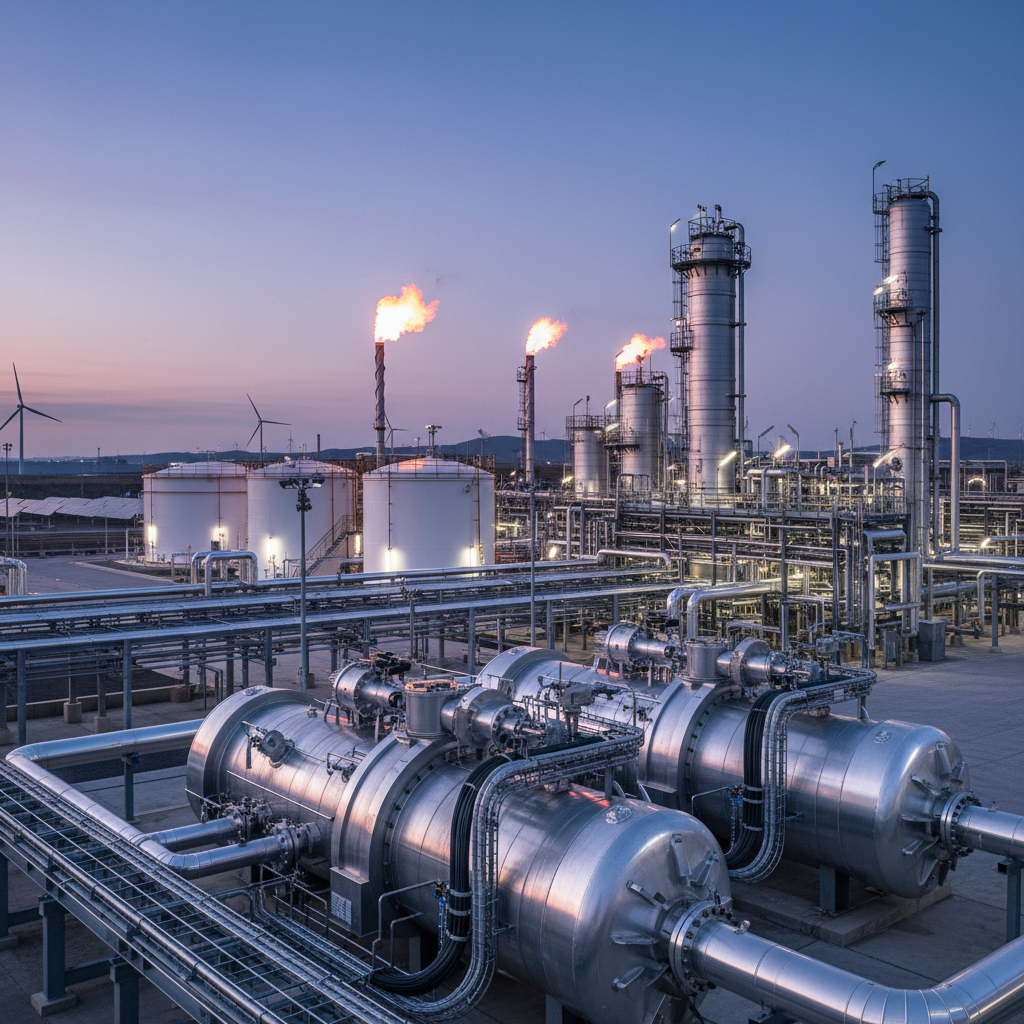
Importance of Natural Gas Compression in Energy Production Efficiency
Natural gas compression plays a pivotal role in enhancing energy production efficiency, acting as a critical component in the processing and transportation of natural gas. According to the U.S. Energy Information Administration (EIA), natural gas now accounts for about 40% of the electricity generation in the United States, underscoring its importance in the energy mix. Compression equipment is essential for maintaining the pressure needed to transport gas through pipelines, ensuring that it flows smoothly from production sites to end users. The efficiency of compression systems can directly impact the overall operational performance, leading to optimized production processes and reduced energy consumption.
Moreover, advancements in compression technology have significantly improved the efficiency of natural gas systems. A report from the International Gas Union (IGU) states that through the use of high-efficiency compressors, energy losses during transportation can be minimized by up to 30%. This reduction not only enhances the economic viability of gas projects but also contributes to lower greenhouse gas emissions. As the demand for cleaner energy continues to rise, investing in modern compression equipment becomes essential for energy producers to meet both regulatory standards and consumer expectations in an increasingly competitive market.
Key Market Trends in Natural Gas Compression Equipment Demand and Growth
The global natural gas compressor market is projected to grow significantly, reaching approximately USD 7.8 billion by 2034, expanding from USD 5.2 billion in 2024. This growth is driven by a compound annual growth rate (CAGR) of 4.1%, fueled by the increasing demand for natural gas in various sectors including industrial, residential, and power generation. Rapid industrialization and the push for cleaner energy alternatives are essential factors accelerating market demand for compression equipment.
Moreover, the integrally geared centrifugal compressor market is undergoing remarkable expansion as industries worldwide seek efficient and reliable solutions to meet their energy requirements. The centrifugal compressor segment alone is anticipated to grow substantially, with significant opportunities for both oil-free and oil-filled centrifugal compressors. By 2035, the global industrial air compressor market is projected to reach USD 30.2 billion, indicating a robust upward trend that underscores the essential role of compression technology in the energy landscape.
Tips: When considering natural gas compression equipment, industries should focus on the specific type of compressor that fits their operational needs, whether it's oil-free for cleaner emissions or oil-filled for high performance. Additionally, staying informed about market trends will help businesses make strategic decisions that align with future energy demands.
Why Natural Gas Compression Equipment Is Essential for the Energy Industry - Key Market Trends in Natural Gas Compression Equipment Demand and Growth
| Region |
Market Size (2023) $ Billion |
Projected Growth Rate (2023-2030) % |
Key Drivers |
| North America |
5.8 |
6.5 |
Shale Gas Production, Infrastructure Development |
| Europe |
4.2 |
5.1 |
Renewable Energy Integration, Regulatory Support |
| Asia-Pacific |
6.5 |
8.0 |
Increased Energy Demand, Industrial Growth |
| Middle East & Africa |
3.1 |
7.2 |
Oil & Gas Investments, Energy Diversification |
| Latin America |
2.3 |
5.5 |
Natural Gas Exploration, Economic Recovery |
Impact of Compression Technology on Greenhouse Gas Emissions Reduction
Natural gas compression technology plays a pivotal role in reducing greenhouse gas emissions within the energy industry. By enhancing the efficiency of natural gas transportation and storage, compression equipment minimizes methane leakage and enhances the overall sustainability profile of gas operations. This efficiency is crucial, as methane is a potent greenhouse gas with a much higher global warming potential than carbon dioxide over a short time frame. Effective compression systems facilitate the capture and transportation of natural gas from production sites to consumers, thereby decreasing the reliance on more polluting fossil fuels.
Moreover, advances in compression technology are instrumental in supporting the shift towards renewable energy sources. By integrating natural gas into energy systems, compression equipment helps stabilize energy supply during periods when renewable sources, such as wind and solar, are intermittent. This synergy not only optimizes the energy mix but also contributes to a significant reduction in overall greenhouse gas emissions. The ability of compression technology to support cleaner energy solutions exemplifies its essential role in the ongoing efforts to combat climate change and promote a sustainable energy future.

The Role of Compression Equipment in Optimizing Pipeline Transportation
Compression equipment plays a crucial role in optimizing the transportation of natural gas through pipelines. By increasing the pressure of the gas, compressors enable it to flow efficiently over long distances, overcoming friction and other resistance encountered in the pipeline system. This optimization not only maximizes the volume of gas that can be transported but also ensures that the delivery is swift and reliable, meeting the energy demands of consumers and industries alike.
Moreover, the integration of advanced compression technology aids in maintaining the integrity of the pipeline. It helps in monitoring gas pressure and flow rates, allowing for real-time adjustments to prevent leaks and ruptures. With the growing emphasis on safety and environmental sustainability, effective compression systems contribute significantly to reducing the risk of accidents, making the overall pipeline transport more secure. In essence, the role of compression equipment is indispensable in enhancing operational efficiency while safeguarding both economic and environmental interests in the energy sector.
Economic Analysis of Natural Gas Compression in Power Generation Costs
Natural gas compression plays a critical role in power generation, largely due to its influence on overall energy costs. According to the U.S. Energy Information Administration (EIA), natural gas became the leading source of electricity generation in the United States in 2021, accounting for approximately 40% of total electricity production. This surge highlights the need for efficient compression equipment to maximize gas flow from production sites to power plants, ensuring that the supply meets the rising demand.
A recent study by the International Energy Agency (IEA) indicated that effective natural gas compression can reduce energy generation costs by as much as 15-20%. This reduction is particularly crucial given the fluctuations in gas prices, which can be volatile due to various market factors. The ability to compress gas efficiently allows operators to store and transport gas more effectively, enabling them to stabilize production and manage costs better. As the energy landscape evolves, the reliance on innovative compression technologies will continue to shape the economics of power generation, ensuring that natural gas remains a competitive energy source.