Why Is Packaging Machinery Essential for Your Business Success?
In today's competitive market, understanding the role of Packaging Machinery is crucial for any business. This equipment not only enhances efficiency but also improves product presentation. Well-designed machinery can reduce waste and save time during production. Many businesses overlook how packaging impacts customer perception and sales.
Investing in reliable Packaging Machinery can seem daunting. However, the right choice can yield significant returns. Machinery that fits your production needs can optimize workflows and minimize errors. You must consider the scale of your operation. Custom solutions might be required for unique products.
Yet, some companies make the mistake of prioritizing cost over quality. This can lead to higher long-term expenses. Choosing the right machinery involves careful research and planning. Engaging with industry professionals can provide valuable insights. Properly selected Packaging Machinery increases your chances of success in a crowded marketplace.
The Role of Packaging Machinery in Enhancing Production Efficiency
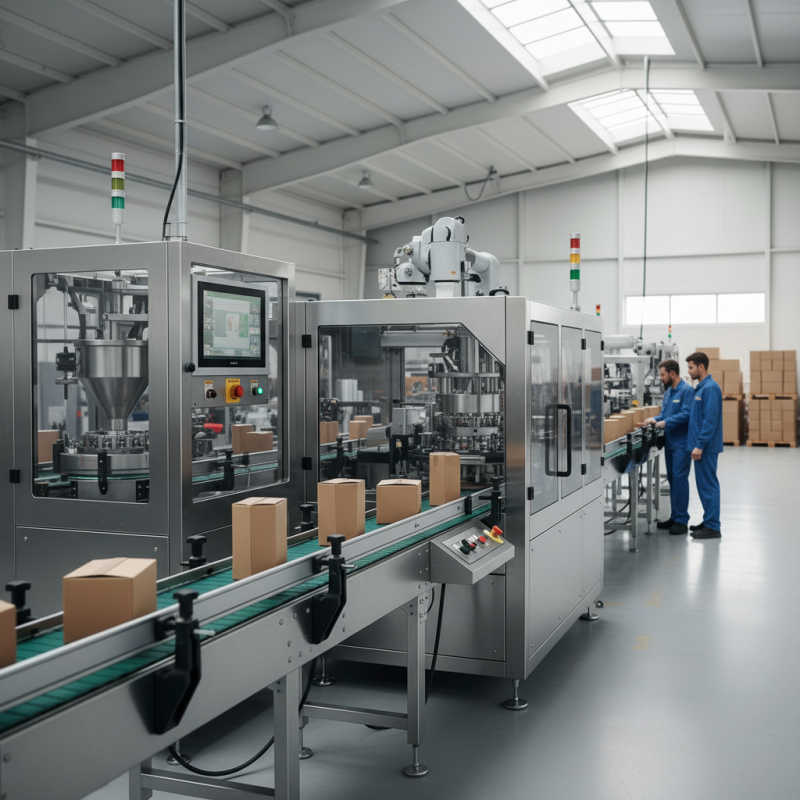
In today’s competitive landscape, packaging machinery plays a pivotal role in enhancing production efficiency. According to a report by PMMI, the Association for Packaging and Processing Technologies, businesses that invest in advanced packaging machinery can boost their output by up to 30%. This increase is largely due to the automation and precision that modern machines offer, allowing companies to streamline their operations.
A study published in the Journal of Manufacturing Science and Engineering highlights that efficient packaging reduces waste by nearly 20%. Machines designed for speed and accuracy ensure that products are packed correctly, minimizing damages during transit. However, many businesses overlook maintenance. Neglecting this crucial aspect can lead to costly downtimes. Regular checks ensure that machinery runs at optimal levels, supporting long-term productivity.
Furthermore, companies investing in robust packaging technology often see a rise in customer satisfaction. Products that arrive in secure and intact packaging foster trust. Nonetheless, transitioning to advanced systems can pose challenges. Staff training is essential but frequently underestimated. Organizations must address these gaps to fully leverage their machinery’s potential and align with industry standards.
Impact of Automated Packaging Solutions on Labor Costs and Operational Speed
Automated packaging solutions can dramatically influence labor costs and operational speed. By investing in advanced machinery, businesses often see a reduction in labor expenses. Less manual work means lower wages and fewer training costs. Additionally, employees can focus on more valuable tasks. Automation streamlines the packaging process, enhancing overall efficiency.
Consider your production needs. Analyze your packaging requirements. Choosing machinery that aligns with your operational workflow is essential. Balancing cost and functionality is key. Not all automated solutions will provide the same value for your specific business model. Remember, the upfront investment may seem significant but can lead to long-term savings.
It’s crucial to monitor how automation affects your team. Some staff may need retraining. Transitioning to automated solutions can create uncertainty. Communication is paramount. Employees should understand why these changes are beneficial. Address concerns regarding job security and work dynamics. Fostering a supportive environment encourages acceptance and innovation.
Critical Factors in Selecting Packaging Machinery for Various Industries
Choosing the right packaging machinery is critical for various industries. Different products have unique needs. For food packaging, for example, hygiene and efficiency are paramount. Machinery must handle delicate items without compromising quality while ensuring swift production speeds.
In pharmaceuticals, precision is key. Packaging must protect against contamination and ensure proper dosage. Reliable machinery minimizes errors and enhances product safety. Furthermore, manufacturers need to consider space and scalability. Investing in machines that adapt to changing demands can save costs in the long run.
It’s essential to reflect on the cost versus benefits of machinery. Sometimes, lower-quality options may lead to higher long-term expenses due to repairs or inefficiencies. Evaluate your specific industry requirements closely. Understand that the right equipment isn't always the most expensive. Balancing price, technology, and functionality can make a significant difference in your overall success.
Importance of Packaging Machinery in Different Industries
This bar chart illustrates the importance ratings of packaging machinery across various industries. The ratings reflect the significance of packaging machinery for the operational success and efficiency in each sector.
Technological Innovations in Packaging Machinery and Their Market Trends
Innovations in packaging machinery are reshaping businesses. Automation plays a key role in increasing efficiency. It reduces the reliance on manual labor. This shift saves time and cuts costs. Machines can now adjust quickly to different product sizes, enhancing versatility. Smart technologies gather data, improving maintenance and operation.
Sustainability is another trend in packaging machinery. Many businesses seek eco-friendly solutions. This shift can attract environmentally conscious consumers. However, implementing new technologies can be challenging. Companies must train staff and adapt processes. Not every innovation suits every business. Each company's needs vary significantly. It's crucial to assess benefits against potential disruptions.
Customer preferences are evolving, demanding better packaging. Companies need machinery that can adapt swiftly. This adaptability can dictate market success. Yet, balancing quality with speed remains a struggle. Businesses should remain open to learning and refining their processes. The landscape is always changing, and continuous improvement is necessary.
The Importance of Compliance and Quality Control in Packaging Operations
In today’s competitive market, compliance and quality control in packaging operations are vital. Businesses face increased scrutiny regarding the safety and integrity of their products. Regulatory bodies enforce strict guidelines. Adhering to these ensures that products meet industry standards. Non-compliance can lead to hefty fines and damaged reputations.
Quality control is equally important. It involves rigorous testing and inspection throughout the packaging process. A small mistake in packaging can lead to product spoilage or contamination. Implementing effective quality measures safeguards against such risks. Regular audits and staff training can enhance these practices. Yet, some companies still neglect these aspects, often due to budget constraints or a lack of awareness.
Moreover, the human factor plays a significant role. Employees must be trained to recognize potential issues. Communication within teams can sometimes falter, resulting in oversight. Addressing these gaps is essential for maintaining high standards. Continuous improvement in compliance and quality control is a journey, not a destination.