Top 10 Artificial Lift Technologies For Oil Production?
Artificial Lift Technologies play a pivotal role in maximizing oil production efficiency. Dr. Emily Carter, a leading expert in this field, states, "The right lift technology can transform a well's performance dramatically." As oil reservoirs mature, pressures decline. This decline necessitates the use of artificial lift to maintain production rates.
In the current landscape, there are many options available. Each technology, like gas lift or electric submersible pumps, has its own advantages and challenges. Engineers must choose wisely, balancing cost and effectiveness. Sometimes, the chosen method fails to meet expectations. Such outcomes force experts to rethink their strategies and adapt.
Understanding the nuances of these technologies is essential. Not every solution fits all wells. Field conditions vary, requiring tailored approaches. Thus, ongoing innovation and assessment in Artificial Lift Technologies are crucial for staying competitive in oil production.
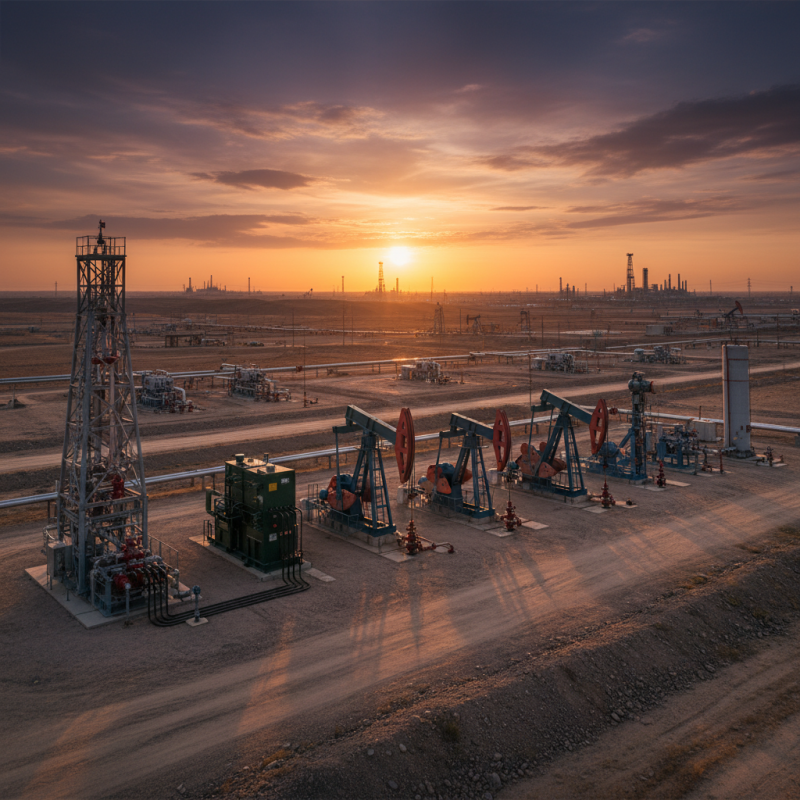
Overview of Artificial Lift Technologies in Oil Production
Artificial lift technologies play a crucial role in oil production. They enhance the flow of oil from wells that have low reservoir pressure. This aspect is vital as approximately 80% of oil wells require some form of artificial lift to maintain production levels. Common techniques include rod pumps, gas lift systems, and electric submersible pumps. Each has unique advantages and applications that depend on the well's specific characteristics.
Tip: Always assess reservoir conditions carefully. Some methods may perform poorly in high-viscosity environments.
In recent trends, data indicates that over 80% of new wells are being completed with electric submersible pumps. These pumps are known for their efficiency and ability to operate at significant depths. However, they require careful maintenance to avoid downtime. Neglecting this can lead to costly repairs.
Tip: Integrate regular maintenance routines to maximize productivity.
While enhancing production, challenges persist. For instance, some older rod pump systems may suffer from increased wear and tear. This can result in frequent failures and downtime. Finding the right balance and choosing the proper technology can be a complex task that demands ongoing evaluation and adjustment.
Importance of Artificial Lift in Enhancing Oil Recovery Rates
Artificial lift plays a critical role in enhancing oil recovery rates in various production scenarios. As oil reservoirs deplete, natural pressure diminishes. This decline necessitates artificial lift technologies to maintain production levels. These technologies optimize the extraction process, enabling operators to access more oil from mature fields. Increased oil recovery can significantly improve the profitability of oil operations.
However, challenges remain. Implementing Artificial Lift Systems requires significant investment and careful planning. Each method has its drawbacks. Some may increase production but lead to equipment wear and higher operational costs. Others may not suit all reservoir conditions, necessitating constant adjustments. For instance, a method that works well in one environment might fail in another. Operators must consider these factors when selecting their approach.
Moreover, the decision-making process can be complex. It often involves balancing immediate production goals with long-term sustainability. Continuous monitoring is essential. Data from production rates and equipment performance can provide valuable insights. But operators might ignore these insights, relying instead on outdated strategies. This reluctance to adapt can hinder overall recovery efforts. Therefore, flexibility and innovation are vital for success in the ever-evolving oil production landscape.
Top 10 Artificial Lift Technologies for Oil Production
This chart illustrates the efficiency of various artificial lift technologies in enhancing oil recovery rates. The data represents the estimated recovery efficiency percentage for each technology.
Comparison of Common Artificial Lift Methods and Their Applications
Artificial lift technologies play a crucial role in oil production, aiding in the extraction of hydrocarbons from reservoirs. Among the various methods, several stand out due to their unique applications. For instance, the most common methods include electric submersible pumps (ESPs), rod pumps, and gas lift systems.
ESPs are often preferred in deep wells or heavy oil applications due to their efficiency. However, they require substantial energy, which can be a limitation.
Rod pumps, another prevalent choice, are simple and cost-effective. These pumps work well in low to moderate-depth wells. They can be less efficient in heavy oil production.
Gas lift systems rely on injected gases to reduce oil density. This method is versatile and suitable for different types of wells. Yet, it requires a reliable gas supply, which may not always be available.
Each technology has its own set of challenges and advantages. Selecting the appropriate artificial lift system is critical. The well characteristics and production goals should guide the choice. While one method might be effective in certain conditions, it may falter in others. Understanding these nuances is essential for optimizing oil production.
Statistical Analysis of Efficiency and Costs of Top Lift Technologies
When discussing the efficiency and costs of artificial lift technologies in oil production, various factors come into play. Each method has its own strengths and weaknesses. For example, gas lift systems may excel in certain applications but incur higher operational costs. Pumping units, on the other hand, can be more economical but may not perform as well in deeper wells.
Tips: Evaluate your specific needs before investing. Not all technologies suit every type of well. Analyze production rates and maintenance requirements. This ensures you choose a technology that aligns with your operational goals.
Statistical analysis can highlight trade-offs between efficiency and expenditure. Some technologies appear attractive at first glance. However, hidden costs can emerge over time, impacting long-term sustainability. Remember, evaluating the upfront costs is not enough. Consider the overall lifecycle cost of the technology.
Tips: Be cautious of quick decisions. Tracking real-time performance data is crucial for informed choices. Regularly assess the performance against your expectations. This reflection helps in identifying areas for improvement or potential problems in your lift system.
Future Trends in Artificial Lift Technologies and Industry Innovations
Artificial lift technologies play a crucial role in enhancing oil production efficiency. As we look to the future, trends indicate a shift towards automation and smart technologies. The global artificial lift market was valued at approximately $26 billion in 2022 and is projected to grow at a CAGR of 5% through 2030. This growth reflects the industry's reliance on innovative solutions to improve output and reduce operational costs.
One notable trend is the integration of IoT devices in artificial lift systems. These devices collect real-time data, improving decision-making and predictive maintenance. Companies have reported a reduction in downtime by 15% to 20% by utilizing these technologies. However, the adoption rate can vary widely across regions. Some areas struggle with the initial investment and the training required for skilled personnel. There is a clear need for more accessible training programs that address these challenges effectively.
Moreover, advancements in materials science are leading to the development of more durable and efficient pumping systems. These systems can withstand harsher conditions, thus extending their lifespan. Despite these innovations, some industry experts express concerns over the speed of adoption. Transitioning to new technologies is often met with resistance due to the legacy systems still in place. Overcoming these barriers is essential for maximizing the benefits of artificial lift technologies in the coming years.