Top 10 Bench Top Milling Machines You Should Consider?
When it comes to precision machining, a Bench Top Milling Machine stands out as an essential tool. These machines offer versatility and efficiency for both hobbyists and professionals. Their compact size allows for easy placement in smaller workspaces without sacrificing functionality. A quality Bench Top Milling Machine can transform raw materials into intricate designs.
It's important to choose wisely among the options available today. Each model has its strengths and weaknesses, and some may not meet your specific needs. Understand that not every machine will deliver the same level of performance or durability. Users often report that finding the right features can be a challenging process. Mistakes in selection can lead to frustration. Reflect on what you truly need from a milling machine.
In this exploration of the top ten Bench Top Milling Machines, we aim to highlight models that offer great value. We will emphasize key features such as power, precision, and user-friendliness. Consider these factors carefully. A well-chosen machine can elevate your projects, while a poor decision may hinder your progress.
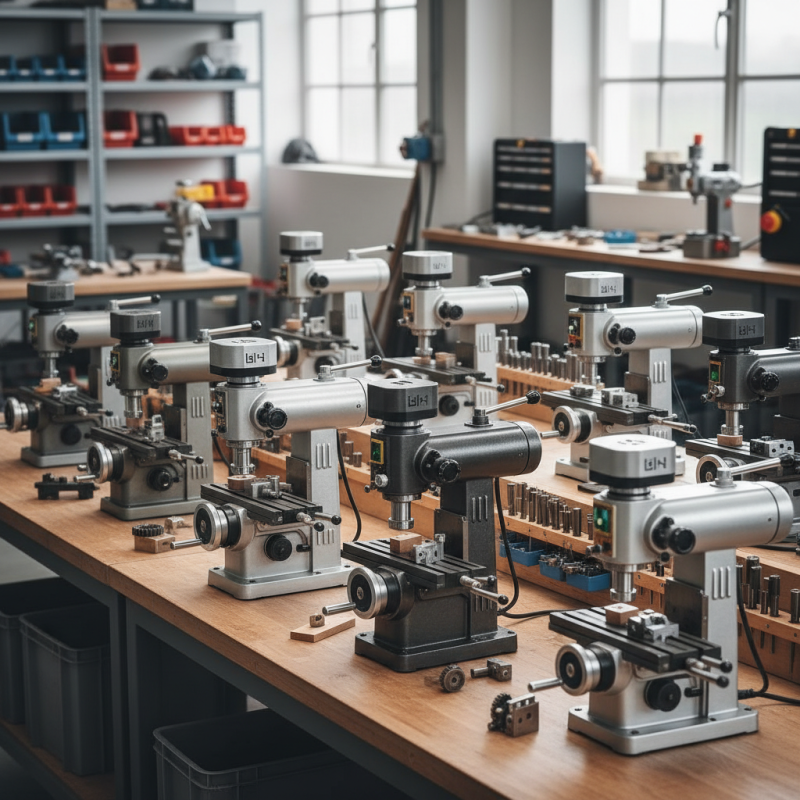
Overview of Bench Top Milling Machines and Their Applications
Bench top milling machines have become essential tools in various applications. These compact machines are designed for precision cutting and shaping of materials, making them ideal for small workshops and hobbyists. Their versatility allows for machining metals, plastics, and wood, accommodating a broad range of projects. Users often find them convenient for detailed operations, particularly in tight spaces.
Operating a bench top milling machine requires practice. While the setup seems straightforward, achieving accuracy can pose challenges. It's essential to understand the machine's controls and limitations. Incorrect settings might lead to poor results or even damage the workpiece. A learning curve exists for both novice and experienced machinists. Mistakes can teach valuable lessons, pushing users to refine their skills.
Maintenance serves as another important aspect. Regular cleaning and lubrication keep the machine in good condition. Neglect can cause wear or malfunction over time. Users often discover that slight adjustments can enhance performance significantly. Being mindful of these factors can transform a frustrating experience into a rewarding one. Each project can be a step toward mastering the craft of milling.
Top 10 Bench Top Milling Machines You Should Consider
| Model | Max Cutting Depth (in) | Spindle Speed (RPM) | Table Size (in) | Weight (lbs) | Price ($) |
| Model A | 2.5 | 3000 | 16 x 6 | 150 | 750 |
| Model B | 3.0 | 3500 | 20 x 8 | 175 | 950 |
| Model C | 2.0 | 2800 | 18 x 7 | 140 | 600 |
| Model D | 4.0 | 4000 | 24 x 10 | 200 | 1200 |
| Model E | 2.8 | 3200 | 22 x 9 | 160 | 800 |
| Model F | 1.5 | 2500 | 15 x 5 | 130 | 500 |
| Model G | 3.5 | 3900 | 21 x 8 | 180 | 1100 |
| Model H | 2.2 | 3000 | 19 x 6 | 155 | 750 |
| Model I | 3.0 | 3400 | 20 x 7 | 170 | 900 |
| Model J | 4.5 | 4200 | 25 x 11 | 220 | 1300 |
Key Features to Look for in a Bench Top Milling Machine
When selecting a bench top milling machine, it's vital to consider key features that can enhance your machining experience. The power of the machine is crucial. Typically, a model with at least 1 HP is recommended. This power helps in handling tough materials and reduces frustration during cuts. Also, look for variable speed settings. A range of 100 to 2000 RPM allows you to adjust for different tasks.
The build quality matters too. Machines made from cast iron or solid steel tend to offer better stability, reducing vibrations that can affect precision. Size is another factor. A compact machine should still allow for adequate workspace. Many models occupy less than 2 square feet but provide enough capacity for small to medium projects.
Tips: Always check for an easy-to-read scale. It enhances accuracy during measurement and setup. Moreover, consider availability of tools and accessories. Ensuring compatible parts can save time and improve efficiency. Remember, even the best machines may require adjustments. Regular calibration and maintenance will maximize your productivity.
Top 10 Recommended Bench Top Milling Machines for 2023
When considering a bench top milling machine for 2023, users should look at several key factors. The market analysis reveals that the demand for these machines has grown by approximately 15% annually. This growth is driven by the increased use of milling machines in various industries, ranging from woodworking to metalworking. For hobbyists and professionals alike, having the right equipment is crucial.
Many machines on the market today offer impressive features. Users can find models with variable speed controls, which enhance precision. According to an industry report, nearly 70% of users prioritize these features when making a purchase. However, not all machines deliver the promised performance. Some models fall short on durability and ease of use, leading to frustration. It's important to read reviews and evaluate specifications critically.
Furthermore, maintenance is a common area of concern. Regular upkeep is necessary to ensure optimal performance, yet many users overlook this aspect. A study shows that 50% of accidents in workshops involve poorly maintained equipment. This statistic highlights the importance of balancing performance with maintenance requirements. Choosing the right bench top milling machine is more than just looking at price; it involves a thoughtful assessment of needs and machine capabilities.
Comparative Analysis of Performance and Price of Each Model
When choosing a bench top milling machine, performance and price are key factors. Each model offers unique features. Some excel in precision, while others focus on user-friendliness. It's crucial to think about what you need most. Prices can vary widely, so budget considerations should be clear before making a decision.
In a comparative analysis, consider features like spindle speed, motor power, and build quality. A machine with higher RPM might cost more. However, it may also provide better cutting capabilities. Look into user reviews to understand performance in real-world scenarios. Some users might find a machine underwhelming, especially if expectations were too high.
Price doesn’t always correlate with quality. A lower-cost model might surprise you with its performance. Yet, some expensive machines may have flaws that prevent them from justifying the cost. Researching thoroughly is essential to find a well-balanced option for your needs. Inspecting the models firsthand can also help clarify any doubts.
Top 10 Bench Top Milling Machines Performance Comparison
Maintenance Tips for Maximizing the Longevity of Milling Machines
Milling machines are a critical investment for many workshops. To ensure they operate efficiently for years, proper maintenance is essential. According to industry reports, neglecting regular upkeep can reduce the lifespan of milling machines by up to 40%. Understanding how to care for these machines can save time and money.
One key tip is to regularly check the lubrication of the machine components. Adequate lubrication helps prevent friction and wear. It is advisable to use the right type of lubricant as specified in the manual. Over time, built-up debris can impair functionality. Cleaning the machine thoroughly after each use is crucial. Don’t ignore smaller details, like dust around the motor. These can lead to bigger issues if not addressed.
Another vital aspect is ensuring the machine is properly aligned. Misalignment can cause unnecessary strain on parts. Regularly check the tension of belts and ensure all components are secured. Consider investing in alignment tools. These might seem minor, but small adjustments can make a significant difference in performance. Remember, preventative maintenance is far better than costly repairs. Taking the time to reflect on machine care is worth it.