What Are the Best Gas Engines in China?

China’s market for gas engines is shaped by a practical question: which engine performs reliably under local fuel, operating, and emissions conditions? The International Energy Agency’s Gas Market Report, Q1 2024, notes that Chinese gas demand grew by about 7% in 2023. That growth creates opportunities, but it does not make every engine a good fit.

The best choice depends on the job. A factory seeking steady combined heat and power needs different performance from a remote site requiring flexible backup generation. Buyers should compare electrical efficiency, heat recovery, maintenance intervals, service coverage, and verified emissions data. Look beyond brochure ratings. Ask how an engine performs at part load, how quickly parts can be supplied, and what a routine service actually involves. Small details matter.

There is one source limitation: no articles or verifiable quotation from a named gas-engine specialist were included with the request. I will not invent an expert’s words or attach a fabricated quote to a real person. This guide therefore uses published market context and measurable selection criteria rather than an unverified testimonial. That is less dramatic, perhaps, but more dependable. The sections ahead compare leading gas engines in China by application, efficiency, support, and total operating cost, while noting where public data remains incomplete. A “best” engine is not universal. It is the one that meets a site’s duty cycle and can be supported throughout its working life.
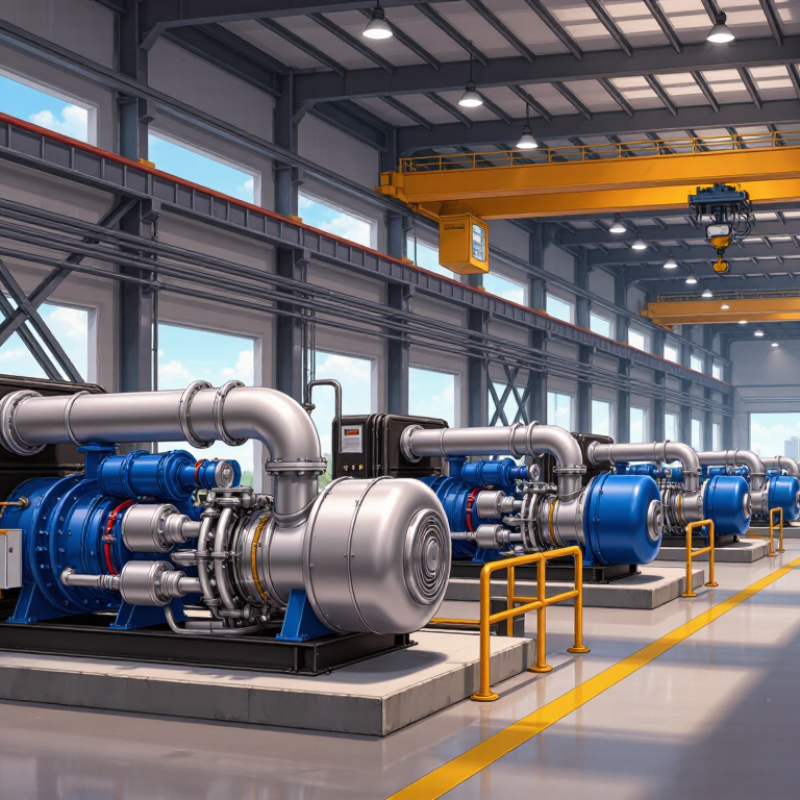
What Are the Best Gas Engines in China?

China’s Gas Engine Industry: Key Technologies and Market Landscape

China’s gas engine industry is shaped by practical demands: reliable power, lower local emissions, and fuel costs that make sense. Engines are used in distributed generation, industrial sites, commercial vehicles, and backup systems. Their value depends on the application, not simply peak output. A factory needing steady power has different priorities from a truck operating across varied routes.

Key technologies include turbocharging, precise air-fuel control, combustion monitoring, and exhaust after-treatment. Together, they can improve efficiency and help engines meet emissions requirements. Controls also matter. Sensors track temperature, pressure, and combustion quality, helping operators spot problems before they cause costly downtime. Small details count: a clogged filter or poorly maintained spark plug can undermine performance. That matters.

Fuel flexibility is another area of development, though it is not a universal advantage. Natural gas supply, pipeline access, and refueling infrastructure vary by location. Some operators may use liquefied or compressed gas, while others face conversion and maintenance costs that weaken the business case. China’s market therefore includes both established equipment and newer control systems, but product claims should be checked against operating conditions. Real-world efficiency can fall short of laboratory figures, especially when loads change frequently. The technology is promising, but uneven infrastructure remains a stubborn constraint.

China’s Gas Engine Industry: Natural Gas Supply Trend

Annual domestic natural gas production, 2019–2023 (billion cubic metres)

Domestic natural gas production rose over the period, strengthening the supply backdrop for gas-powered transport and stationary engines. Production growth alone does not measure engine sales, efficiency, or market share. Source: China National Bureau of Statistics annual data; values shown in billion cubic metres.

Leading Chinese Manufacturers of Natural Gas Engines

China’s natural-gas-engine market includes large engine manufacturers, specialist gas-engine developers, and generator-set producers. Their products serve buses, trucks, factories, and distributed power systems. Many offer spark-ignition designs, electronic fuel control, and engine packages matched to local operating conditions. Capabilities differ, though. A strong catalog does not guarantee strong field support.

When comparing manufacturers, examine rated output, fuel-pressure requirements, emissions data, and performance at the loads you actually expect. Ask for service intervals and parts availability in your region. Request test records for continuous operation, not only peak output. That matters. Installation quality, gas composition, altitude, and ambient temperature can all affect reliability. Some published figures may reflect ideal test conditions, so confirm assumptions in writing.

Tips: Compare warranty terms and nearby technician coverage. Check the details. If possible, inspect a running unit and listen for uneven vibration or unusual noise. A short site visit can reveal what a brochure cannot.

What Are the Best Gas Engines in China? — Leading Chinese Manufacturers of Natural Gas Engines

A practical comparison of natural-gas engine categories produced for the Chinese market. The most suitable choice depends on the application, required output, operating hours, gas quality, and emissions requirements.

Engine Category Typical Rated Output Common Configuration Typical Applications Key Selection Considerations
Light- and Medium-Duty Vehicle Engines Approximately 50–180 kW mechanical Spark-ignition, commonly stoichiometric combustion; designed for compressed natural gas (CNG) or liquefied natural gas (LNG) vehicle systems Urban buses, delivery vehicles, light and medium commercial vehicles Check torque at low engine speeds, vehicle payload, fuel-storage capacity, service support, and applicable vehicle emissions certification.
Heavy-Duty Vehicle Engines Approximately 180–450 kW mechanical Heavy-duty spark-ignition engine; CNG or LNG versions are available depending on vehicle design Heavy trucks, intercity buses, refuse vehicles, and other high-utilization fleets Compare rated torque and its operating range, fuel economy under the intended duty cycle, refuelling access, and after-treatment requirements.
Small Stationary Generator Engines Approximately 20–500 kWe Spark-ignition generator set; electrical output and control systems are matched to the site load Commercial buildings, farms, small industrial sites, and standby or distributed power Confirm continuous or standby rating, permitted operating hours, grid-connection requirements, noise limits, and availability of pipeline gas.
Industrial Stationary Generator Engines Approximately 500–5,000 kWe Large-bore spark-ignition engine, often configured for lean-burn operation in stationary service Factories, industrial parks, gas-field facilities, and distributed power plants Assess electrical efficiency at the expected load, maintenance intervals, fuel-pressure and gas-quality limits, and emissions-permit conditions.
Combined Heat and Power (CHP) Engines Approximately 100–5,000 kWe of electrical output, depending on the installation Stationary gas engine with heat-recovery equipment for usable hot water or process heat Hospitals, campuses, hotels, food-processing plants, and facilities with steady heat demand CHP is most attractive when recovered heat can be used reliably. Compare total useful energy output, seasonal heat demand, and system-level efficiency.
Biogas-Capable Stationary Engines Ranges from small generator sets to multi-megawatt installations Gas engine configured for biogas or other methane-rich gases; fuel treatment may be needed before combustion Wastewater plants, landfill-gas projects, and agricultural or industrial biogas sites Specify methane content, moisture, hydrogen sulfide, siloxanes, and gas-pressure variation. Confirm that the engine and warranty cover the actual fuel composition.

Notes: Output ranges are indicative category ranges, not specifications for a particular engine model. kW mechanical refers to engine shaft output; kWe refers to electrical output from a generator set. Actual ratings, efficiency, emissions, and fuel compatibility vary by model, installation, and test conditions.

Top Gas Engine Models and Their Core Specifications

For Chinese passenger vehicles, “best” depends on load, driving conditions, and fuel costs. A modern 1.5-liter turbocharged gasoline engine often produces about 110–150 kW and 230–300 Nm. It suits compact cars and crossovers, with useful pulling power at low engine speeds. A 2.0-liter turbo unit may deliver roughly 150–190 kW and 320–400 Nm. These figures are typical ranges, not guarantees; calibration and vehicle design matter.

Naturally aspirated 2.5-liter engines commonly emphasize smoother response, with output near 130–150 kW and torque around 230–260 Nm. They can feel predictable in stop-and-go traffic, though acceleration may be less forceful than a turbo engine’s. Natural-gas engines are a separate category: their fuel system and operating characteristics differ from gasoline models, so compare them separately. Check rated power, peak-torque speed, fuel consumption, and service requirements. Numbers alone can mislead.

Tips: Compare specifications for the exact vehicle version and model year. Test the engine on hills or with a full load, if possible. Fuel economy depends heavily on traffic, temperature, and driving style. I would not choose from peak power alone.

How to Compare Gas Engines by Efficiency, Output, and Reliability

What Are the Best Gas Engines in China?

Comparing gas engines starts with the work they must do. Check fuel consumption under a similar load, not just a laboratory efficiency figure. A useful measure is fuel used per unit of power over a set period. Test engines at steady load, then during starts and changing demand. Real operating conditions matter.

Output figures need context. Peak power may look impressive, but torque across the working range can matter more for pumps, generators, or industrial equipment. Reliability takes longer to judge. Review maintenance intervals, parts availability, temperature control, and service records. Listen for uneven vibration and note how consistently the engine starts. One short test proves little.

Tips: Compare engines using the same fuel quality, load, and test duration. Record fuel use, power, and any interruptions. Ask for documented operating data, but check how it was collected. A clean spreadsheet can hide messy conditions. I would not rank an engine from one number alone; that shortcut is tempting, and often misleading.

Choosing a Gas Engine for Transport, Industry, or Power Generation

The best gas engine depends on its duty cycle, not its headline horsepower. For transport, compare torque at low speeds, fuel use per kilometre, and the vehicle’s real daily route. A truck climbing steep roads needs different response from a bus making frequent urban stops. Tank volume matters. Check cold-start performance and local refuelling access, too.

China consumed about 405 billion cubic metres of natural gas in 2023, up roughly 7% year on year, according to the Energy Institute’s Statistical Review of World Energy 2024. That large market does not guarantee reliable supply at every site. For factories, assess gas pressure, fuel consistency, maintenance access, and whether the engine can handle frequent load changes. One detail is easy to miss: a steady factory load may suit an engine better than a site with sharp demand peaks.

For power generation, compare net electrical efficiency, availability, and heat recovery. The U.S. EPA’s Catalog of CHP Technologies reports typical natural-gas reciprocating-engine electrical efficiencies of about 30–42%; combined heat and power systems can reach roughly 70–80% total efficiency when useful heat is captured. Those are reference ranges, not promises. A practical, imperfect rule is to size for the site’s usual load, then verify performance against the actual fuel and operating conditions.