What are Wheel Hub Bearing Units and How Do They Work?
wheel hub bearing units are critical components in modern vehicles. They play a vital role in supporting the weight of a vehicle and ensuring smooth wheel rotation. These units combine bearings and hubs into a single assembly. This design simplifies installation and improves overall performance.
Understanding how wheel hub bearing units function is essential for both mechanics and vehicle owners. When the wheels turn, these units allow for efficient movement while reducing friction. The components work together under stress, often in harsh conditions. Regular maintenance is often overlooked, leading to premature wear. Ignoring signs of wear can lead to costly repairs.
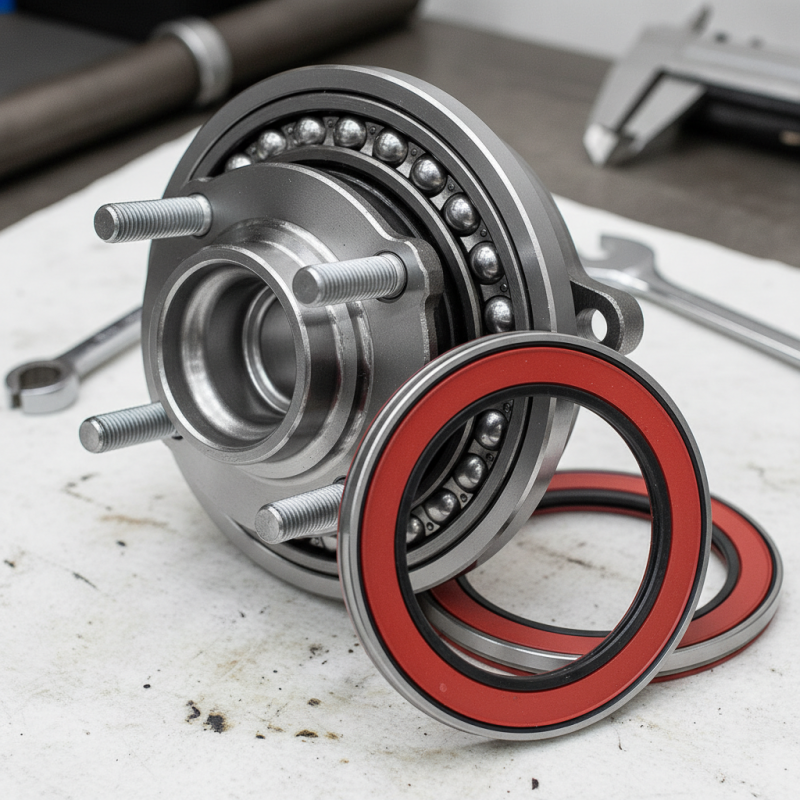
Exploring the intricacies of wheel hub bearing units reveals important details. The units consist of inner and outer raceways, ball bearings, and seals. Each part has its purpose and must function correctly for safety. A faulty unit can lead to handling issues or tire wear. Therefore, awareness and timely inspections are crucial for vehicle maintenance.
Understanding Wheel Hub Bearing Units
Wheel hub bearing units play a crucial role in vehicle functionality. These components allow the wheels to rotate smoothly. They consist of multiple parts, including the bearing itself and the hub. Often, these units are sealed to prevent dirt and moisture from causing damage.
Understanding how these units operate is essential for vehicle maintenance. When a driver turns the steering wheel, the bearings facilitate motion. They support the weight of the vehicle while ensuring stability and control. Over time, wear and tear can compromise performance. If ignored, a failing bearing can lead to costly repairs.
Observing signs of wear can be tricky. Noise or vibrations during driving might indicate a problem. Regular checks are necessary, yet many overlook this crucial task. Repairs often get postponed, which might worsen the situation. Awareness and proactive maintenance can extend the life of wheel hub bearing units.
Key Components of Wheel Hub Bearing Units
Wheel hub bearing units play a critical role in vehicle performance and safety. These components support the wheel, allowing it to spin smoothly while bearing the weight of the vehicle. Key components include the inner and outer races, balls or rollers, and seals. The races create a track for the ball bearings, which reduce friction. As per recent industry reports, approximately 80% of modern vehicles utilize integrated wheel hub bearing units for efficiency.
Seals are crucial in protecting the internal components from dust and moisture. They prevent contamination that can lead to wear. Inadequate sealing is a common problem. Industry data suggests that poor sealing can reduce bearing lifespan by up to 50%. Most mechanics may overlook this aspect during maintenance checks, impacting vehicle safety.
Another interesting component is the grease, which lubricates the bearing. It is essential for minimizing friction and heat generation. Studies show that well-lubricated bearings can outperform their dry counterparts significantly. However, over-greasing can lead to increased pressure and subsequent failure. Understanding these components can lead to more informed choices in vehicle maintenance.
The Functionality of Wheel Hub Bearing Units
Wheel hub bearing units are essential for vehicle performance. They connect the wheel to the axle. These components play a critical role in ensuring a smooth ride. The bearings allow the wheel to rotate effectively, reducing friction. A well-functioning unit helps maintain stability and control.
When you drive, the wheel hub bearing units support the vehicle's weight. They absorb shocks and vibrations from the road. This helps provide a comfortable experience for passengers. However, wear and tear can occur over time. Drivers may notice unusual noises or vibrations. These can indicate that the bearing unit needs attention.
Regular maintenance is crucial. Inspecting these units can prevent costly repairs. Drivers should be aware of signs of failure. Listening for grinding sounds or feeling play in the wheels can help identify issues early. Be proactive to ensure safety on the road.
Types of Wheel Hub Bearing Units and Their Applications
Wheel hub bearing units are critical components of a vehicle's drivetrain. They support the weight of the vehicle and reduce friction during motion. Various types of wheel hub bearing units exist, each serving specific applications.
The most common types are the Tapered Roller Bearings and the Ball Bearings. Tapered Roller Bearings are vital for heavy-duty applications, such as trucks and SUVs. They handle both radial and axial loads effectively. In contrast, Ball Bearings are often used in lighter vehicles for their efficiency and smooth performance. According to a recent market analysis by Technavio, the global automotive bearing market is projected to grow by 19% from 2023 to 2028, mainly driven by the increasing demand for electric vehicles.
Tips: Regularly check your wheel hub bearings for signs of wear. Look for unusual noises or vibrations while driving. If you notice these issues, consult a professional immediately.
Sealed versus unsealed designs also fluctuate in use. Sealed bearings offer better protection against contaminants but can be costlier. Unsealed bearings may need frequent maintenance. Some automotive reports show that improper maintenance can reduce bearing life to only a few thousand miles. It's crucial to assess your vehicle's needs before making a choice.
What are Wheel Hub Bearing Units and How Do They Work?
| Type | Description | Applications | Load Capacity (lbs) | Typical Life Span (miles) |
| Single Row | Simple design that allows for rotation and supports axial and radial loads. | Passenger Cars | 1,500 - 3,000 | 100,000 - 150,000 |
| Double Row | More robust design, provides greater load distribution and stability. | Light Trucks and SUVs | 2,500 - 5,000 | 80,000 - 120,000 |
| Tapered Roller | Contains tapered rollers that allow for higher load capacities and better handling. | Heavy-Duty Trucks and Trailers | 5,000 - 10,000 | 150,000 - 200,000 |
| Angular Contact | Allows for combined loading and better performance under axial loads. | Performance and Racing Vehicles | 1,000 - 3,500 | 50,000 - 100,000 |
| Sealed Bearing Units | Integrated design that requires no lubrication and provides protection against contaminants. | Various Vehicles | 1,500 - 4,500 | 100,000 - 200,000 |
Maintenance and Common Issues Related to Wheel Hub Bearing Units
Wheel hub bearing units play a crucial role in vehicle safety and performance. They allow the wheels to rotate smoothly while supporting the weight of the vehicle. However, like any component, they require regular maintenance to function effectively. Neglecting this upkeep can lead to various issues, potentially compromising your vehicle's safety.
One common problem is wear and tear due to road conditions. Potholes, debris, and rough terrain can cause damage. This may lead to unusual noises while driving. If you hear grinding or humming sounds, it’s a sign to inspect the wheel hub bearing unit. Additionally, improper installation can result in premature failure. Mechanics should ensure proper torque specifications to prevent issues.
Over time, seals can wear out, allowing dirt and moisture to enter. This contamination can accelerate bearing wear. Timely replacement of worn seals is critical. Regular inspections can catch these problems early. However, many car owners often overlook this maintenance, leading to bigger issues down the line. It's essential to stay vigilant and proactive when it comes to the health of wheel hub bearing units.