Why Choose Natural Gas Compression Equipment?

Choosing natural gas compression equipment is a practical decision with long-term operational consequences. Gas must move reliably through gathering systems, processing facilities, storage sites, and transmission networks. Without suitable compression, pressure can fall, production can slow, and delivery schedules can become difficult to maintain. The right equipment supports stable flow while helping operators manage energy use, maintenance demands, and changing site conditions.

Experience shows that selection should begin with actual operating data. Engineers should review inlet pressure, discharge pressure, gas composition, flow rate, temperature, and expected load changes. A compressor that performs well in a laboratory may struggle in a dusty field environment. Noise, vibration, footprint, cooling requirements, and access for servicing also matter. Small details become expensive later.

Efficiency matters.

Modern natural gas compression equipment can improve throughput and reduce unnecessary fuel consumption when properly sized. However, efficiency claims require careful verification. Manufacturers should provide clear performance data, service guidance, and evidence from comparable installations. Operators should also examine controls, shutdown protection, emissions performance, spare parts, and technician training. These factors strengthen reliability beyond the purchase price.

No system is perfect. Even experienced teams can underestimate seasonal demand or maintenance time. That weakness deserves honest attention. A sound decision combines engineering calculations, field experience, recognized safety practices, and dependable supplier support. It also leaves room for future upgrades. When equipment matches real operating conditions, compression becomes more than a pressure increase. It becomes a controlled, measurable part of a safer and more resilient natural gas system.
Why Choose Natural Gas Compression Equipment?

What Natural Gas Compression Equipment Is

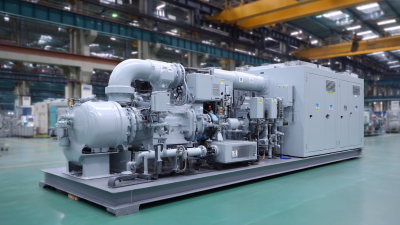
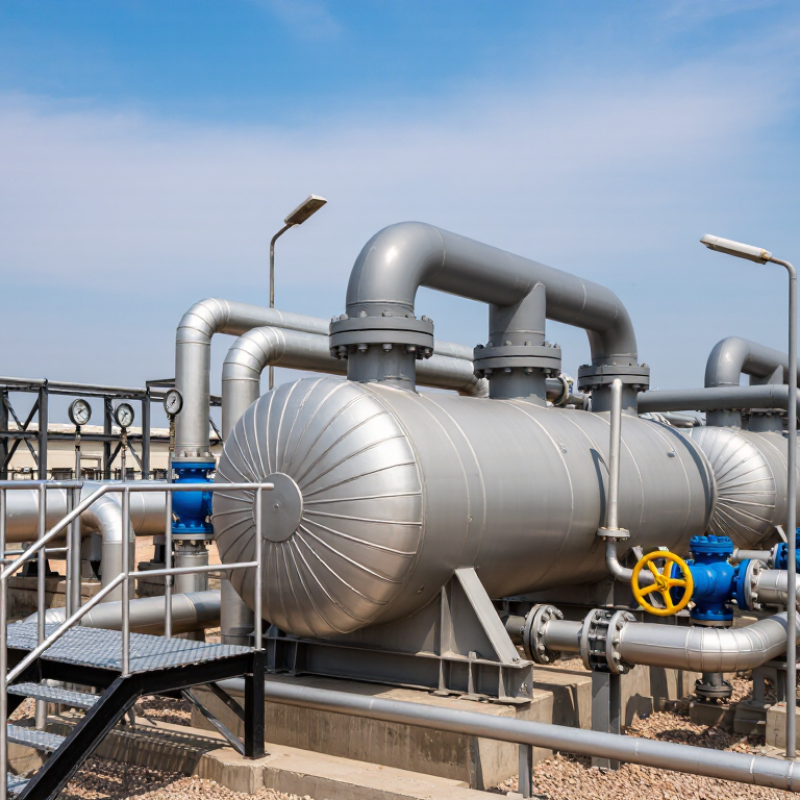
Natural gas compression equipment is machinery that raises gas pressure for reliable movement through pipelines, storage systems, and processing facilities. A compressor receives gas at a lower pressure and discharges it at a higher pressure. This pressure increase helps overcome friction, elevation changes, and distance.

Common systems include reciprocating compressors, centrifugal compressors, drivers, coolers, separators, valves, and monitoring instruments.

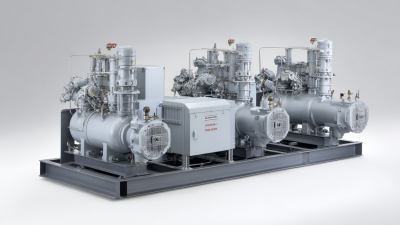
Reciprocating units use pistons inside cylinders. They suit changing flow rates and higher pressure requirements. Centrifugal units use rotating impellers and often support large, steady gas volumes.

The correct choice depends on flow, inlet pressure, discharge pressure, gas composition, and operating temperature.

Details matter.

A separator can remove liquids before they damage compression components. Intercoolers reduce gas temperature after compression. Sensors track vibration, pressure, temperature, and possible leaks. These controls support safer operation and more predictable maintenance.

However, equipment performance can change when gas composition, ambient temperature, or pipeline demand changes. A system that works well during testing may respond differently in winter or during rapid load changes.

Operators should review inspection records, maintenance procedures, emergency shutdown functions, and applicable safety requirements before selection.

Noise, fuel use, emissions, footprint, and spare-part access also affect long-term value. Lower purchase cost is not always lower operating cost. That assumption deserves testing.

Careful engineering, documented inspections, and trained personnel help keep compression equipment dependable without treating reliability as automatic.

How Natural Gas Compression Systems Work

Why Choose Natural Gas Compression Equipment? How Natural Gas Compression Systems Work

Natural gas compression equipment keeps gas moving through gathering lines, processing plants, and transmission networks. The process begins at the inlet scrubber, where liquid droplets and debris are removed. Gas then enters a reciprocating or centrifugal compressor. The machine raises pressure by reducing gas volume and increasing molecular density. Intercoolers remove heat between stages, while separators collect condensed liquids before discharge. Pressure sensors and control valves adjust flow as demand changes.

The system is not simply a motor and a pipe. Operators monitor vibration, temperature, suction pressure, discharge pressure, and oil condition. Anti-surge controls protect centrifugal units during unstable flow. Recycle lines may return gas to the inlet, although this consumes energy.

The International Energy Agency’s Gas 2024 report projected global gas demand growth of about 2.5% in 2024 and 2.3% in 2025. That demand increases pressure on compression availability and maintenance planning. Field experience shows that small liquid carryover can damage valves, seals, and impellers. Real stations are less tidy than diagrams.

Tips: Confirm gas composition before selecting equipment. Methane content, heavier hydrocarbons, water, and contaminants affect materials and operating limits. Review pressure ratio, flow range, altitude, and ambient temperature together. The U.S. Energy Information Administration explains that pipeline compressors maintain pressure as gas travels over distance. Still, equipment can be oversized. That may reduce efficiency during low-demand periods. Use measured operating data, not optimistic assumptions, and verify performance after commissioning.

Key Benefits of Using Natural Gas Compression Equipment

Natural gas compression equipment keeps gas moving when reservoir pressure declines or pipeline demand changes. That stability supports reliable delivery to power plants, factories, and distribution networks. The International Energy Agency’s Gas 2024 report forecasts global gas demand growth of about 2.5% in 2024 and 2.3% in 2025. Growing demand makes dependable compression increasingly important.

Compression equipment also improves flow control and reduces costly production interruptions. Variable-speed systems can adjust output as pressure and demand change. At a remote station, this flexibility may prevent hours of disrupted delivery. Experienced operators monitor suction pressure, discharge temperature, vibration, and seal performance. Small deviations often reveal larger mechanical problems. Not every benefit appears on a specification sheet.

Yet compression is not automatically efficient or environmentally responsible. Fuel consumption, venting, leakage, and poor maintenance can reduce the gains. The IEA’s Global Methane Tracker 2024 estimates that fossil fuel operations released over 120 million tonnes of methane in 2023. It also reports that around 75% of fossil fuel methane emissions could be reduced with existing measures. Equipment selection should match gas composition, flow range, pressure ratio, and duty cycle. Instrumentation matters as much as horsepower. A missed seal leak is still a leak. Lifecycle energy use, maintenance access, uptime, and emissions performance deserve attention beyond the purchase price. Real-world results can disappoint. That deserves honest review.

Types of Natural Gas Compressors and Their Applications

Natural gas compression equipment supports gathering systems, processing plants, transmission lines, storage sites, and vehicle-fueling stations. The right compressor depends on pressure, flow rate, gas composition, and operating conditions.

Reciprocating compressors suit high-pressure service and moderate gas volumes. Their cylinders deliver strong pressure control, but valves and piston rings need regular inspection.

Centrifugal compressors handle large, steady gas flows across transmission pipelines. They run smoothly, although performance can decline when flow changes sharply.

Screw compressors work well with variable flow and compact installations. They also tolerate frequent starts better than many larger machines.

Diaphragm compressors serve applications requiring minimal gas contamination, including selected specialty and sampling systems.

Application details matter more than equipment size. A gathering station may face wet gas, sand, and changing inlet pressure. Separators and filtration should protect the compressor before compression begins. In a pipeline station, engineers usually examine surge control, cooling capacity, vibration, and emergency shutdown systems. Storage facilities may need compressors that manage repeated pressure cycles without excessive heat buildup.

A common mistake is choosing equipment from flow rate alone. Gas temperature changes everything. So does liquid carryover. Field inspections often reveal small drainage problems becoming major maintenance events. I would also question optimistic efficiency figures when they exclude seasonal conditions. Qualified engineers should compare manufacturer curves with measured site data, then verify sealing, lubrication, noise, and maintenance access before installation. There is no universal compressor. Practical fit matters.

Safety, Maintenance, and Environmental Considerations

Why Choose Natural Gas Compression Equipment?

Natural gas compression equipment must protect people before it protects production. A safe installation needs pressure relief devices, emergency shutdown controls, and clear access around hot surfaces. Gas detectors should cover likely leak points, including seals, valves, and flanges. Ventilation matters, especially inside enclosed compressor buildings. Operators need practical training, not only signed attendance sheets. Short drills can reveal confusing alarms and blocked escape routes.

Maintenance quality directly affects safety and operating cost. Technicians should check vibration, lubricant condition, filter loading, and unusual discharge temperatures. Small changes often appear before a major failure. Digital monitoring can help, but physical inspection remains valuable. A sensor may miss a loose fitting. Maintenance records should identify the defect, response, and follow-up date. No checklist is perfect. Teams should review it after near misses and difficult repairs.

Environmental performance also deserves careful measurement. Methane leaks can occur during routine venting, seal wear, or poorly tightened connections. Leak detection surveys, low-emission valves, and controlled blowdown procedures can reduce releases. Efficient compression lowers fuel use and unnecessary exhaust emissions. Noise barriers may protect nearby workers and communities. Equipment selection should consider energy demand across its full service life, not only its purchase price. A quieter machine is not automatically cleaner. Actual results depend on inspection discipline, operating conditions, and honest reporting.

Why Choose Natural Gas Compression Equipment?

Safety, maintenance, and environmental considerations based on fuel-combustion emissions.

Natural gas has a lower carbon dioxide emission factor than distillate fuel oil when the same amount of energy is combusted. Compression systems still require gas detection, ventilation, ignition control, and scheduled inspection of valves, seals, lubrication systems, and engine components. The values shown represent combustion emissions only and do not include methane leakage or equipment life-cycle impacts.

Source: U.S. EPA, Emission Factors for Greenhouse Gas Inventories. Values shown in kilograms of CO₂ per million British thermal units (MMBtu).