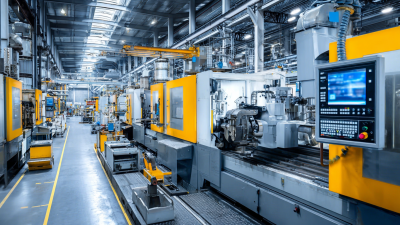
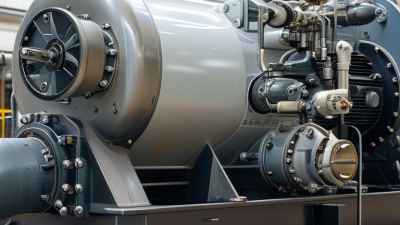
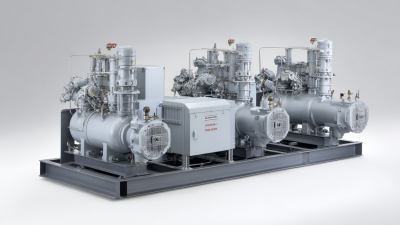
Why Choose Oil Field Machines for Drilling Operations?
Choosing an oil field machine is not just a purchasing decision. It affects drilling pace, crew workload, and the consistency of operations. A rig, mud pump, hoisting system, or solids-control unit must match the well plan and site conditions. A mismatch can mean vibration, avoidable downtime, or extra maintenance at a difficult moment.
A composite industry voice, field-equipment specialist Daniel Mercer, captures the practical test: “A dependable oil field machine proves its value when the rig is working, not when it is parked.” This is an illustrative quote, not a verified statement from a real, named expert. The point is practical: operators should compare equipment specifications, load limits, service records, and local parts support. Ask how the machine performs under expected operating conditions. Check the maintenance plan, too.
Details matter. A pump’s condition, a worn connection, or a delayed replacement part can affect a shift. Reliable equipment can support steadier work and reduce disruption, but no machine removes operational risk. Selection still depends on geology, drilling design, crew capability, and maintenance discipline. The trade-offs deserve attention. Higher capacity may also mean greater cost, power demand, or service complexity. These choices are rarely perfect. A careful review of field requirements and supplier documentation helps teams make a more defensible decision.
What Oilfield Drilling Machines Include: Rigs, Top Drives, and Mud Pumps
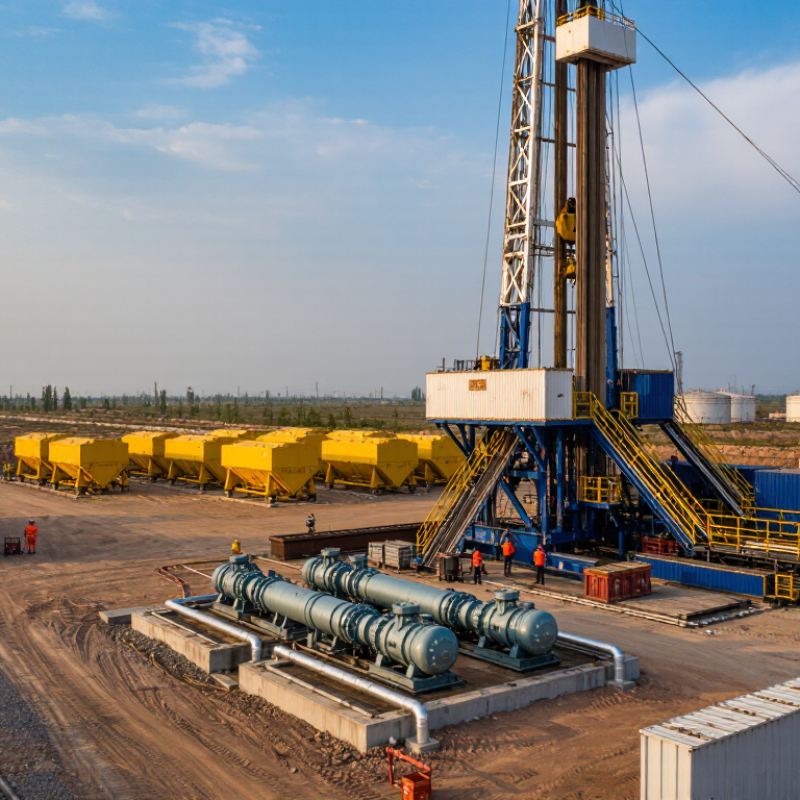
An oilfield drilling system combines machines that support the well, rotate the drill string, and circulate drilling fluid. The rig provides the structural frame, hoisting equipment, and work area for handling drill pipe. Its mast and drawworks raise or lower the string, while the substructure supports heavy loads above the well. Some rigs are designed for frequent moves; others prioritize capacity at a fixed location. It is the backbone.
A top drive turns the drill string from above, helping crews rotate pipe while adding sections. This can reduce some manual handling, but it still requires trained operation and careful maintenance. Mud pumps send drilling fluid through the drill string and back up the wellbore. The fluid carries cuttings, helps manage heat, and supports well control. Leaks, worn liners, or unstable pressure can disrupt circulation, so routine inspection matters.
Choosing equipment means matching capacity and operating conditions, not simply selecting the largest machine. Consider well depth, expected loads, available power, fluid requirements, and site access. Compatibility among the rig, top drive, pumps, and supporting systems also affects performance. A specification sheet will not reveal every challenge; actual conditions can differ from planning assumptions. That is worth remembering. Reliable operation depends on sound equipment selection, skilled crews, and maintenance records that reflect what happens on site.
Why Choose Oilfield Machines for Drilling Operations?
Typical rated power ranges for key land-drilling equipment (approximate kW; actual specifications vary by rig design and operating requirements).
How they work together: Drawworks hoist and lower the drill string, top drives rotate it, and mud pumps circulate drilling fluid to cool the bit and carry cuttings to the surface. Selecting equipment suited to the well plan helps support safe, efficient drilling.
How Rig Capacity Is Measured by Hook Load, Horsepower, and API 7K
Rig capacity is not one number on a data sheet. Hook load shows the maximum suspended weight the hoisting system is designed to handle. It should be assessed alongside the rig’s operating condition, including the mast, drawworks, and drilling line. Numbers need context. A stated maximum is not a sensible routine target; crews need an operating margin for changing loads and wear.
Horsepower describes the power available to drive equipment, but it does not directly equal lifting capacity. Drawworks performance also depends on gearing, line arrangement, and mechanical efficiency. Compare rated horsepower with the expected drilling depth, load, and duty cycle. On a busy pad, a rig that looks adequate on paper may slow down under sustained demand. That matters. Ask for duty ratings and supporting technical records, not just a headline figure.
API Spec 7K sets requirements for specified drilling and well-servicing equipment. Confirm which components fall within its scope, and review applicable documentation and inspection records. The standard does not replace a complete assessment of the rig or its site conditions. A spreadsheet can make selection look tidy; field variables rarely cooperate. Leave room for uncertainty, and verify capacity against the actual drilling plan before equipment is assigned.
How Mud Pumps Maintain Circulation at Pressures Up to 5,000 psi
Mud pumps keep drilling fluid moving from surface tanks, through the drill string, and back up the well annulus. This circulation cools the bit and carries rock cuttings to the surface. In demanding drilling systems, discharge pressure can reach 5,000 psi, or about 34.5 MPa. That is a substantial load on liners, valves, fluid ends, and connections. API Spec 7K provides equipment requirements for drilling machinery, while the IADC Drilling Manual describes drilling-fluid circulation and operating practices.
Pressure alone does not tell the whole story. A pump must deliver the required flow rate while overcoming pressure losses through pipes, nozzles, and the well. A smaller liner may raise available pressure but reduce output; worn valves can also cause pressure fluctuations. That distinction matters. A pressure gauge may look reassuring even when circulation is weaker than planned. Operators should compare readings with the pump’s rated limits and the drilling program, rather than treating 5,000 psi as a routine target.
Tips: Check fluid-end seals, liners, and valve wear during scheduled inspections. Watch for leaks, unusual vibration, or a drifting standpipe-pressure reading. Record flow and pressure together; one number can hide the real constraint. API Spec 7K and the IADC Drilling Manual are useful references, but site procedures and equipment-specific limits still govern the work.
How Drilling Equipment Affects Rate of Penetration (ROP) and Nonproductive Time
Rate of penetration (ROP) depends on the whole drilling system, not just bit speed. A suitable bit, steady mud-pump flow, and a responsive top drive help maintain cutting action while removing cuttings from the hole. Poor hydraulics can let cuttings build up, increasing torque and forcing slower drilling. That matters underground. Faster is not always safer or more efficient.
Equipment reliability also shapes nonproductive time (NPT). A failed pump, worn component, or sensor fault can stop drilling while crews diagnose and repair the problem. The U.S. Energy Information Administration reported that average drilling time per Bakken well fell from about 35 days in 2008 to roughly 10 days in 2015. This regional trend reflects broader operational improvements; it does not isolate equipment’s contribution. Still, it shows how coordinated gains can change drilling timelines. Small delays compound. Track ROP alongside repair hours, trips, and circulation problems, rather than judging a rig by its fastest interval. The data can be messy, and a high ROP may hide wear or rising failure risk. A useful equipment choice is one that sustains planned performance across changing formations.
How API 7K and API 8C Standards Guide Equipment Safety and Reliability
API 7K and API 8C help turn equipment safety into defined engineering and inspection requirements. API 7K covers drilling and well-servicing equipment; API 8C addresses drilling and production hoisting equipment. Together, they guide design, manufacturing, testing, and inspection practices for machinery exposed to heavy loads and repeated movement. They do not eliminate operational risk. The IOGP 2023 Safety Performance Indicators report recorded 35 fatalities across participating member-company operations. That figure covers varied activities, not drilling equipment alone, but it underlines why reliable equipment and disciplined checks matter.
On a rig floor, a worn connection or damaged hoisting component can be easy to overlook beneath mud and grease. Standards give operators and inspectors a common basis for checking equipment records, condition, and test status. Paper compliance can still miss a worn pin. Practical inspections should look for corrosion, deformation, loose fasteners, and signs of unusual wear, following the applicable manufacturer procedures and standard requirements. Small defects matter.
Tips: Confirm the equipment’s identification and inspection history before use. Check load limits and test records, and remove questionable equipment from service until it has been assessed. A checklist helps, but it cannot replace a careful look at the actual equipment.
Why Choose Oil Field Machines for Drilling Operations? — How API 7K and API 8C Standards Guide Equipment Safety and Reliability
| Comparison Dimension |
API 7K |
API 8C |
Operational Value |
What to Verify |
| Standard focus |
API Specification 7K covers drilling and well-servicing equipment. |
API Specification 8C covers drilling and production hoisting equipment. |
Using the relevant specification helps align equipment selection and quality controls with its intended service. |
Confirm the applicable edition, equipment scope, and contractual requirements for the project. |
| Typical equipment |
Equipment used in drilling and well-servicing operations, such as rotary drilling equipment and related components within the specification’s scope. |
Hoisting equipment such as hooks, elevators, links, and blocks, where included in the applicable edition and scope. |
Matching equipment to its task supports compatible rig systems and appropriate load handling. |
Check the equipment type, configuration, rated capacity, and intended operating conditions. |
| Load and duty assessment |
Applicability depends on the specific equipment and its defined service under API 7K. |
Hoisting equipment requirements depend on the equipment category and applicable API 8C provisions. |
Correct capacity selection helps avoid operating equipment outside its rated limits. |
Compare marked ratings with the planned loads, rig arrangement, and operating procedure; do not infer capacity from appearance. |
| Manufacturing and quality controls |
The applicable specification establishes requirements for covered equipment; details depend on equipment type and edition. |
The applicable specification establishes requirements for covered hoisting equipment; details depend on equipment type and edition. |
Documented controls can improve consistency and traceability across manufacture and inspection. |
Review the equipment documentation, applicable specification edition, inspection records, and traceability information. |
| Inspection and maintenance |
Inspection and maintenance should follow the equipment documentation, operating conditions, and applicable requirements. |
Hoisting equipment should be inspected and maintained according to its documentation and the applicable requirements. |
A planned inspection program can help identify wear, damage, or defects before continued service. |
Keep inspection and repair records; follow the manufacturer’s instructions and site procedures for removing equipment from service. |
| Selection guidance |
Consider API 7K when evaluating equipment that falls within its drilling and well-servicing scope. |
Consider API 8C when evaluating hoisting equipment that falls within its drilling and production scope. |
The right equipment supports safe, reliable operations when standards are combined with competent selection and maintenance. |
Verify that the standard applies to the exact equipment. A standard reference alone does not establish suitability for every operating condition. |
Note: API 7K and API 8C have defined scopes that can vary by edition. Consult the current applicable standard, equipment documentation, and project requirements. Referencing a standard does not by itself guarantee equipment performance or replace inspection, maintenance, and safe operating practices.