Why Is Oilfield Equipment Essential for Drilling?
A drilling site can look quiet before operations begin: steel pipe stacked beside the rig, hoses secured, gauges waiting at the control panel. Once drilling starts, every component has a job. Oilfield equipment supports the movement of drilling fluid, the handling of tubulars, and the monitoring of pressure and other well conditions. When these systems work together, crews can carry out planned tasks with better control and clearer information.
Equipment matters because drilling creates changing loads, heat, vibration, and pressure. Pumps must deliver fluid at the required rate. Hoisting systems must move heavy pipe steadily. Sensors and controls help crews spot changes that may need attention. No single machine makes a well safe or efficient. Maintenance, training, procedures, and sound decisions matter just as much. Sometimes the equipment works, but the plan needs a second look.
A field-oriented principle captures the point: “Reliable equipment gives crews better control; it does not replace good judgment.” I cannot responsibly attach that original wording to a named industry expert without a verifiable source. That distinction matters in technical writing. Readers should be able to check expert quotations, not mistake invented words for documented authority. In the sections ahead, we can examine key equipment categories, their roles, and the practical trade-offs behind selecting and maintaining them. The details vary by well design and operating conditions. Getting those details right is essential.
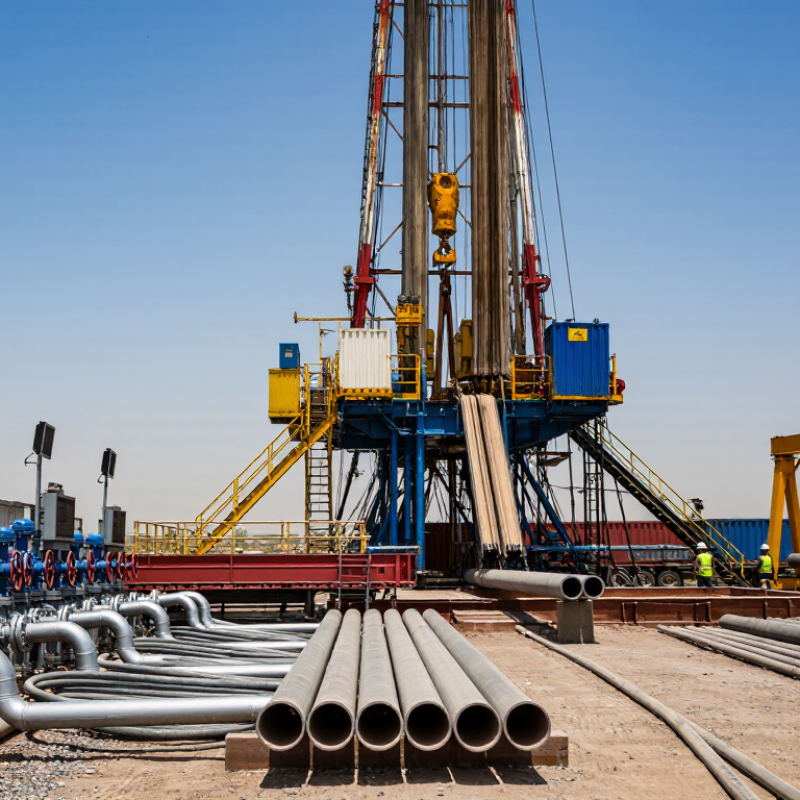
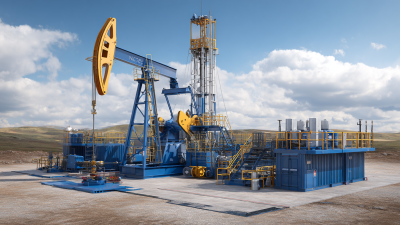
Oilfield equipment is more than a drilling rig. It includes the derrick, hoisting system, drill pipe, bit, and top drive, which rotate and advance the well. Mud pumps circulate drilling fluid down the pipe and back up the well. Shakers separate rock cuttings from that fluid. The details matter. A worn bit or clogged screen can slow work and complicate decisions at the rig floor.
As drilling advances, crews lower casing and pump cement to support the wellbore. Pressure-control equipment, including blowout preventers, helps manage unexpected well pressure. Sensors record depth, direction, vibration, and other operating conditions. These readings help crews adjust weight on the bit or fluid flow. No instrument removes uncertainty; formations can change within a short distance.
The scale of investment reflects how much coordinated equipment drilling requires. The International Energy Agency’s World Energy Investment 2024 estimated upstream oil and gas investment at $570 billion in 2024, a 7% rise from 2023. The U.S. Energy Information Administration reported average U.S. crude oil production of 12.9 million barrels per day in 2023, a record. Production figures do not measure equipment performance, but they show the scale of operations the equipment supports. A checklist may look complete and still miss a small leak, so inspection and maintenance remain essential.
Before drilling begins, crews prepare the site and build a stable working platform. Oilfield equipment supports each stage, from positioning the rig to handling heavy tubulars. A level foundation matters. Uneven ground can shift loads, complicate alignment, and increase wear. Survey tools, lifting systems, and rig components must work together, not merely arrive on site.
As the hole advances, drill pipe carries rotation and drilling fluid downward. Pumps circulate fluid back to the surface, where solids-control equipment removes cuttings. This circulation cools the bit, supports the borehole walls, and helps bring rock fragments up. Well-control equipment, including blowout preventers, is installed and tested to manage pressure changes. These checks protect people and the well. They are practical safeguards, not paperwork.
Casing and cementing tools help reinforce sections of the well. Casing provides a barrier; cement fills the space around it and helps limit unwanted fluid movement. Measurements matter. Centralizers keep casing positioned, while pressure and volume readings can reveal problems during cement placement. Underground conditions rarely match the plan perfectly. Equipment reduces uncertainty, but cannot remove it; crews still need to interpret changing returns and pause when readings do not make sense.
The drill string transfers rotation and weight to the bit, which cuts through rock at the bottom of the well. A derrick supports the hoisting system as pipe is lowered or retrieved. These parts work together, but they do not guarantee steady progress; rock layers can change unexpectedly. Small details matter.
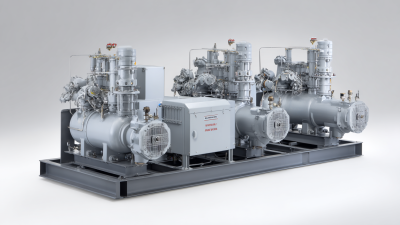
Circulation equipment keeps drilling fluid moving. Mud pumps send fluid down the drill pipe, and it returns through the space around the pipe, carrying rock cuttings upward. Shale shakers separate many cuttings before the fluid is reused. Pressure-control equipment serves a different purpose: a blowout preventer can seal the well, while a choke manifold helps manage flow and pressure during controlled operations. Trained crews monitor gauges and follow site procedures. Even good equipment needs careful inspection.
Tips: Check hoses, connections, and fluid levels before operations. Watch for unusual pressure readings, leaks, or changes in pump sound. Record observations clearly, and pause for qualified review when readings do not make sense. A checklist helps, though it cannot catch every odd vibration.
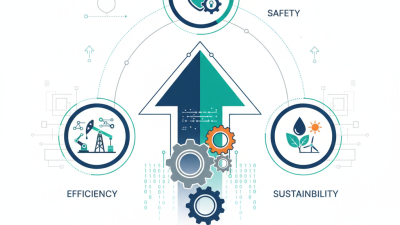
Oilfield equipment is a frontline safety barrier, not just a way to move drilling forward. A blowout preventer can seal a well when pressure rises unexpectedly. Gas detectors warn crews before invisible hazards reach dangerous levels. Guarded rotating machinery, remote shutoffs, and stable lifting systems also reduce exposure to pinch points, heavy loads, and sudden releases. The need is real: a NIOSH analysis found that oil and gas extraction workers had an average fatality rate of 25.6 per 100,000 workers from 2003 to 2013, compared with 3.3 across all industries. The figures are historical, but the risks remain recognizable on a rig floor. Seconds matter.
Equipment also limits harm beyond the worksite. Closed fluid-handling systems, lined tanks, leak sensors, and pressure controls can help prevent drilling fluids or hydrocarbons from reaching soil and water. The International Energy Agency’s Global Methane Tracker 2024 estimated that fossil fuel operations released about 120 million tonnes of methane in 2023. That figure covers the wider fossil fuel sector, not oilfields alone, but it shows why reliable valves and leak detection matter. Equipment only works when it is inspected, tested, and repaired; a sensor left uncalibrated offers false comfort. No system is perfect. Crews still need training, clear procedures, and the confidence to stop work when readings or equipment behavior seem wrong.
| Equipment | Primary Function | How It Protects Workers | How It Helps Protect the Environment | Important Checks |
|---|---|---|---|---|
| Blowout preventer (BOP) | Provides a means to seal the wellbore and control pressure during specified well-control conditions. | Helps reduce the risk of an uncontrolled release of well fluids that could endanger the rig crew. | Helps prevent uncontrolled releases of oil, gas, and drilling fluids. | Inspect and test according to the well program and applicable requirements; verify control systems and connections. |
| Diverter system | Routes shallow gas or other flows away from the rig during designated operations. | Can help direct hazardous flow away from personnel and occupied work areas. | Provides a managed flow path; it is not a substitute for well containment or a BOP. | Confirm the flow path is clear, properly lined up, and suitable for the expected operating conditions. |
| Mud gas separator | Separates gas from returning drilling fluid so the gas can be routed to a designated discharge point. | Helps keep gas from accumulating in areas where workers may be exposed. | Supports controlled handling of gas-bearing returns, though it does not eliminate all emissions. | Check the vessel, piping, discharge route, and fluid level; keep the outlet unobstructed. |
| Gas detection system | Monitors for specified combustible or toxic gases in selected work areas. | Provides alerts that allow workers to respond to a potential gas hazard. | Early warning can support prompt investigation and control of a release. | Verify detector placement, calibration status, alarm function, and response procedures. |
| Drilling fluid circulation system | Circulates drilling fluid to cool and lubricate the bit, carry cuttings, and help manage downhole pressure. | Supports well control and helps maintain stable drilling conditions. | Fluid containment and proper handling help reduce spills and uncontrolled discharge. | Monitor fluid properties, flow, tank levels, pumps, hoses, and containment areas. |
| Solids-control equipment | Removes drilled solids from returning fluid using equipment such as shale shakers and other separation devices. | Helps maintain usable drilling fluid and reduces the need for avoidable manual handling. | Can support fluid reuse and reduce the volume of waste requiring management. | Inspect screens, guards, transfer lines, and collection areas; manage separated solids appropriately. |
| Casing and cementing equipment | Runs casing and places cement to support the well and help isolate formations. | Wellbore support and formation isolation help reduce risks associated with unstable formations and unwanted fluid movement. | Properly designed and executed barriers help limit fluid migration between formations and toward groundwater zones. | Check casing condition, cementing equipment, job design, and required verification results. |
| Pressure gauges and monitoring instruments | Measure operating pressures and other selected drilling parameters. | Give the crew information needed to recognize abnormal conditions and follow response procedures. | Timely detection of abnormal operating conditions can help limit the consequences of a release. | Confirm instruments are suitable for the service, readable, maintained, and checked at required intervals. |
| Spill containment and fluid-handling equipment | Collects or directs fluids around tanks, pumps, and transfer points. | Helps reduce slip hazards and exposure to drilling fluids in work areas. | Secondary containment and controlled transfer can limit the spread of spills to soil or surface water. | Check containment capacity and condition; inspect hoses, connections, drains, and spill-response supplies. |
| Emergency shutdown and communication systems | Provides designated means to stop or isolate equipment and communicate emergency instructions. | Supports coordinated shutdown, evacuation, and emergency response. | Prompt isolation of equipment may help reduce the duration or scale of a release. | Test according to site procedures; keep controls accessible and emergency communications clear. |
Reliable equipment helps crews drill efficiently and keep the well on its planned path. A calibrated mud pump maintains steady pressure, while accurate sensors track depth, torque, and direction. These details matter: small deviations can mean extra corrective work, slower progress, and higher costs. Equipment reliability also reduces unplanned stops caused by worn seals, clogged lines, or faulty readings. A quiet failure can be costly.
The International Energy Agency’s Digitalization and Energy report (2017) estimated that digital technologies could reduce oil and gas production costs by 10–20%. That figure describes broad digital potential, not a guaranteed result from any single tool.
Still, dependable sensors and well-maintained controls help crews use data sooner and make more informed adjustments. Better readings do not remove uncertainty; the rock formation can still surprise a drilling team. That part deserves more attention than it often gets.
Tips: Check calibration before drilling, inspect hoses and connections, and compare sensor readings with field observations. Record recurring faults, even minor ones. A small leak or drifting measurement may seem harmless, but it can become tomorrow’s delay.