How to Choose Natural Gas Compression Equipment?
Choosing natural gas compression equipment starts with the duty, not the brochure. In 2023, U.S. dry natural gas production averaged about 103 billion cubic feet per day, according to the U.S. Energy Information Administration’s Natural Gas Annual. That scale depends on compression across gathering, processing, and transmission systems. The IEA’s Global Methane Tracker 2024 estimated that fossil fuel operations released about 120 million tonnes of methane worldwide in 2023. Compressor seals, valves, and operating practices therefore deserve attention alongside capacity and pressure.
IEA Executive Director Fatih Birol warned, “There is no good reason for allowing such harmful pollution to continue.” His comment addresses methane emissions broadly, not compressor sizing specifically, but it matters when comparing equipment and emissions controls. A sound selection begins with suction and discharge pressures, gas composition, flow range, turndown, site conditions, and the required driver. A machine that meets peak flow may perform poorly at low demand. Look closely at seal options, maintenance access, controls, and expected lifecycle costs. Ask suppliers to explain their assumptions. Then check them against actual operating data. The model may still look perfect on paper. Field conditions can be less tidy. That is worth admitting before purchase.
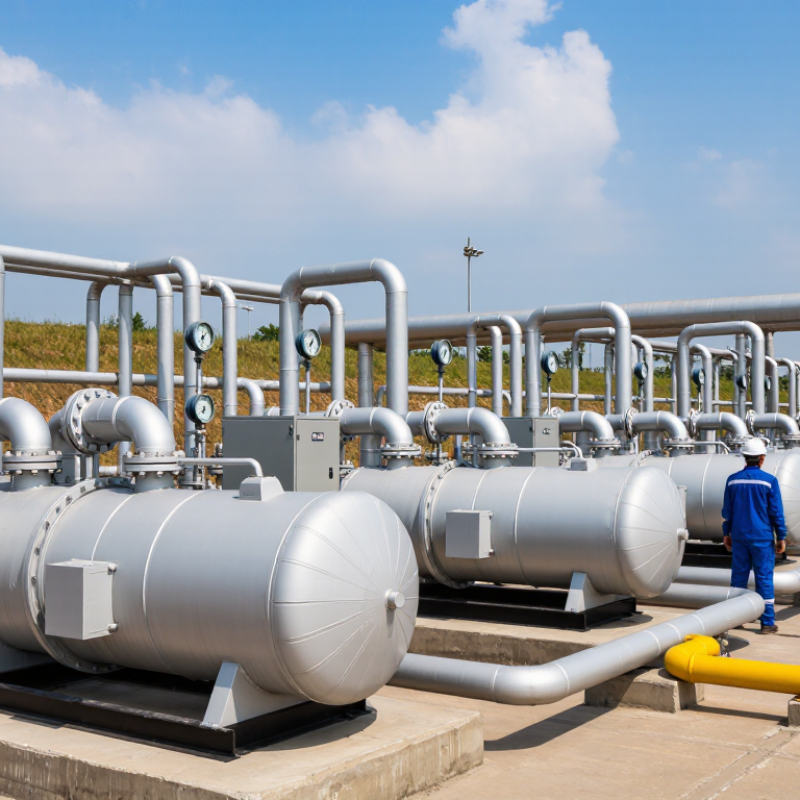
Define the Gas Flow and Operating Requirements
Before comparing compressor types, define the gas stream and the full operating envelope.
Record minimum, normal, and peak flow, noting whether each value is actual or standard volume. State the reference temperature and pressure; otherwise, two flow figures may look comparable but describe different gas quantities. The U.S. Energy Information Administration’s Natural Gas Annual 2023 reports U.S. dry gas production of about 37.8 trillion cubic feet. That national-scale figure does not size a compressor, but it shows why local flow data must be specific.
Document suction and discharge pressures, inlet temperature, gas composition, and expected operating hours. Include contaminants such as liquids or solids, since they can affect reliability and maintenance needs. Check the required pressure ratio and discharge temperature against the process limits. Define turndown and seasonal swings, too. It is tempting to size around average flow alone; that shortcut can age badly when peak demand arrives. A spreadsheet may look precise, yet uncertain field measurements still deserve review.
Tips: Use measured site data where possible, and identify its date and measurement method. Ask the process team to confirm peak and minimum cases before requesting equipment quotes. Small details matter.
Compare Compressor Types and Their Suitability
Choosing natural gas compression equipment starts with the operating profile, not the nameplate capacity. The U.S. Energy Information Administration reported average dry gas production of about 103 billion cubic feet per day in 2023. That scale hides major differences between steady pipeline duty and changing wellsite flows.
Reciprocating compressors suit high pressure ratios and variable throughput. Their valves and cylinders need regular inspection, and vibration can matter in compact stations. Centrifugal units generally fit large, continuous flows with modest pressure increases. They can lose efficiency when operation moves far from the design point. Screw compressors handle smaller, variable streams and can tolerate some liquid carryover, but that does not remove the need for effective separation. Check actual suction pressure, discharge pressure, gas composition, and expected turndown before comparing quotations.
Leak control belongs in the selection, too. The International Energy Agency’s Global Methane Tracker 2024 estimates that fossil fuel operations released about 120 million tonnes of methane in 2023, including roughly 80 million tonnes from oil and gas. Seals, vents, and maintenance access deserve close review. A tidy efficiency calculation can still miss field realities, such as dusty air intakes or frequent starts. I would verify performance across the expected load range, then revisit the assumptions with operators. Small details matter.
Evaluate Capacity, Efficiency, and Power Options
Choosing natural gas compression equipment starts with the duty, not the advertised maximum. Record normal and peak flow, suction pressure, discharge pressure, gas composition, and expected temperature range. A unit sized only for today’s average may struggle during seasonal swings. Check the full operating envelope. Confirm the required turndown and how often conditions change.
Efficiency is not one number. Compare power use at typical load, not only at a best-case point. Review compressor type, stage count, cooling needs, and pressure losses. An electric motor may suit a stable site with dependable grid supply; a gas engine can offer more autonomy where grid access is limited. Include maintenance intervals and part-load behavior. Small losses add up.
Tips: Ask for performance curves at your actual suction and discharge conditions. Verify assumptions with recent gas analyses and site measurements. Leave a practical margin, but avoid oversizing; lightly loaded equipment can waste energy. Check noise, cooling, and installation space before selection.
Balance capacity, efficiency, and available power. Compare lifecycle energy and service needs alongside purchase cost. Confirm that the driver can handle startup loads and variable demand. Controls matter too: pressure setpoints, recycle behavior, and alarms affect operating performance. A tidy model may miss fouling or leaks, so revisit assumptions after commissioning. Document the conditions behind each estimate, and consider redundancy where downtime has serious consequences.
How to Choose Natural Gas Compression Equipment? - Evaluate Capacity, Efficiency, and Power Options
| Compressor Type |
Indicative Inlet Capacity |
Pressure and Operating Profile |
Typical Isentropic Efficiency |
Common Power Options |
Key Selection Considerations |
| Reciprocating |
Low to high flow; commonly selected for duties from tens to several thousand m³/h per unit. |
Well suited to high pressure ratios and changing flow requirements. Multiple stages can be used to reach higher discharge pressures. |
Approximately 75–90% near the rated operating point. |
Electric motor or natural-gas engine; driver choice depends on site utilities and operating requirements. |
Consider pulsation control, vibration, valve maintenance, and the need for capacity control. Often a strong option when high discharge pressure is required. |
| Rotary Screw |
Low to medium flow; commonly used for continuous-duty applications from tens to a few thousand m³/h per unit. |
Generally suited to moderate pressure ratios and relatively steady operation. Oil-flooded and oil-free configurations are available. |
Approximately 65–80% near the rated operating point. |
Most commonly an electric motor; gas-engine drives may be available for suitable installations. |
Review part-load efficiency, oil management or gas cleanliness requirements, and maintenance access. Can provide smooth, continuous flow. |
| Centrifugal |
Medium to very high flow; commonly selected for several thousand m³/h and above, depending on design. |
Best suited to large, comparatively steady flows. Pressure rise is developed through one or more impellers; operating range must account for surge limits. |
Approximately 70–85% near the rated operating point. |
Electric motor or gas turbine; driver selection depends on required power, site infrastructure, and emissions constraints. |
Check the full operating map, turndown needs, gas composition, and surge-control requirements. Often attractive for large-flow transmission and processing duties. |
Note: Capacity and efficiency figures are indicative screening ranges, not guaranteed performance. Actual results depend on gas composition, inlet temperature and pressure, discharge pressure, compressor size, speed, staging, and operating point. Compare vendor performance data at the project’s specified conditions before selecting equipment.
Check Materials, Safety Features, and Site Conditions
Start with the gas, not the equipment catalog. Ask for a current gas analysis and check whether moisture, carbon dioxide, or hydrogen sulfide could affect corrosion. Match wetted materials, coatings, and seals to the gas composition, pressure, and temperature range. Stainless steel is not automatically the right choice for every component. Compatibility depends on the specific conditions. Check service records and inspection requirements, too; a suitable material on paper may still need frequent checks in the field.
Safety features should fit the way the compressor will operate. Look for pressure relief, emergency shutdowns, gas detection, and guards around moving parts. Confirm that alarms are audible where workers will actually stand. Easy to miss. Consider whether technicians can reach filters, drains, and isolation points without awkward workarounds. Site conditions matter just as much: assess ambient heat, elevation, ventilation, noise limits, foundation strength, and access for maintenance equipment. A cramped, poorly ventilated corner can turn routine servicing into a recurring problem. I would also verify electrical-area requirements with a qualified engineer, rather than assume that a unit’s general rating suits the installation. The site plan often changes late, and that is worth admitting before equipment is specified.
Assess Maintenance Needs and Total Ownership Costs
How to Choose Natural Gas Compression Equipment?
Assess Maintenance Needs and Total Ownership Costs
A low purchase price can hide expensive service demands. Compare expected overhaul intervals, seal and valve replacement, lubricant use, staffing, and parts availability. Ask suppliers to state their assumptions in writing, then test them against your operating hours, gas composition, discharge pressure, and seasonal load. Details matter. A compressor that runs steadily may have different maintenance needs from one that starts and stops often. Include planned downtime and the cost of lost throughput in your ownership estimate, not just repair invoices.
The International Energy Agency’s Global Methane Tracker 2024 estimates that fossil fuel operations released about 120 million tonnes of methane in 2023; it says more than 40% could be avoided at no net cost using available measures. This figure covers the broader sector, not compressors alone, but it shows why routine leak checks and seal inspections deserve attention. A handheld detector, a worn seal, and a brief repair can affect both emissions and operating costs. Build these checks into the maintenance plan. Then compare annual service costs with energy or fuel consumption over the equipment’s expected life. Estimates can still miss real-world wear. Review them after commissioning, when actual maintenance records begin to replace assumptions.