Choosing reliable equipment for drilling and well servicing requires more than comparing catalog prices. This guide examines China’s top 10 oil well machine suppliers through practical, evidence-based criteria. These include manufacturing experience, product range, quality control, certifications, after-sales support, and export capability. The goal is to help buyers identify suppliers that can support demanding oilfield operations.
An oil well machine may operate in dust, vibration, extreme temperatures, and remote locations. Small design details matter. A durable mud pump, for example, should offer stable pressure, accessible wear parts, and clear maintenance procedures. Likewise, wellhead equipment needs accurate machining, dependable sealing, and traceable inspection records. Supplier evaluation also considers factory capacity, testing facilities, engineering support, delivery performance, and communication during customization.
No ranking is flawless. Supplier strengths can change with new projects, management decisions, or market conditions. Some companies show strong equipment quality but limited overseas service. Others provide fast communication but less transparent technical documentation. Buyers should request recent test reports, reference projects, warranty terms, spare-parts lists, and applicable compliance documents before signing a contract. Independent inspection may also reveal details that brochures omit.
This introduction provides a practical framework for comparing leading Chinese manufacturers. It does not treat the largest factory as automatically the best choice. Instead, it connects supplier capabilities with real operating needs, budget limits, site conditions, and long-term maintenance demands. Careful verification remains essential. A promising quotation is only the beginning.
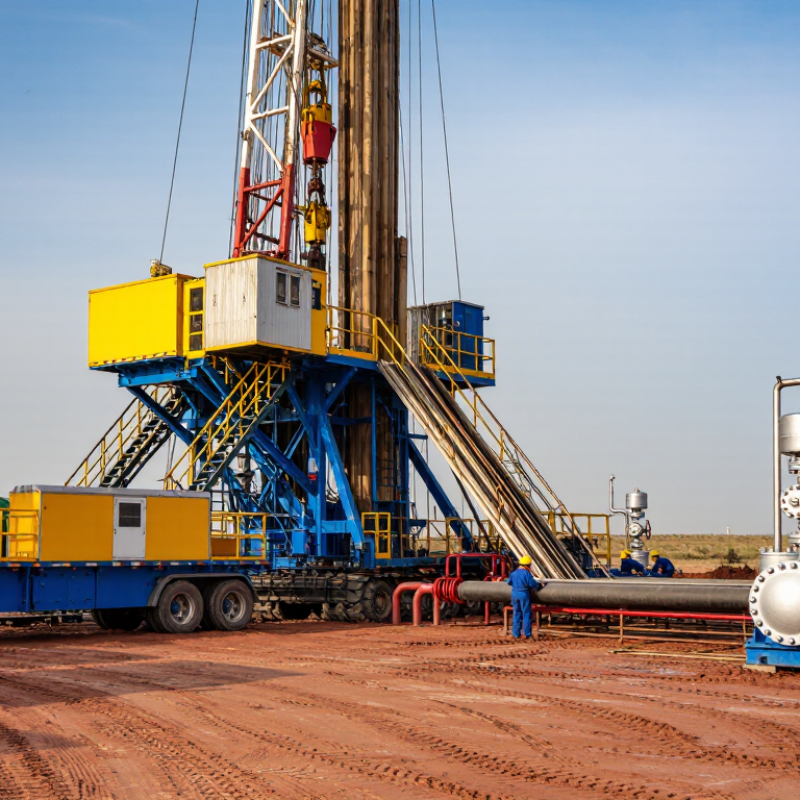
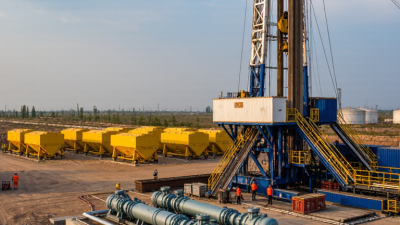
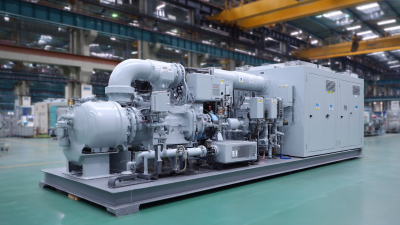
Oil well machines are the heavy-duty systems used to drill, complete, produce, and maintain oil wells. They are not one single machine. A drilling rig creates the wellbore, while mud pumps circulate drilling fluid through steel pipes. Drawworks control lifting operations, and wellhead equipment seals the surface connection.
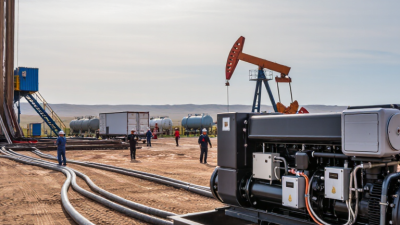
Production equipment works after drilling is complete. Pumping units lift crude oil when underground pressure becomes insufficient. Workover rigs repair wells, replace damaged parts, and remove buildup from production tubing. Each machine must match the well depth, pressure, fluid properties, and operating environment. In field inspections, technicians often check vibration, hydraulic pressure, lubrication, and emergency shutdown systems. Small warning signs can become costly failures.
Tips: Compare load ratings, maintenance access, spare-part availability, and operator training before choosing equipment. Ask suppliers for inspection records and realistic performance data. Do not trust impressive output figures alone. A machine may perform well in a test yard but struggle in dusty, remote conditions. Energy use also deserves attention. Lower fuel consumption can reduce operating costs, although the cheapest option is not always the safest or most durable. Good supplier evaluation requires patience, technical questions, and honest review of local working conditions.
China’s oil well machine manufacturing industry covers drilling rigs, pumping units, wellhead equipment, and downhole tools. Manufacturers serve mature oilfields, new exploration projects, and demanding overseas applications. Production strength comes from integrated machining, welding, hydraulic systems, and electronic control capabilities. Many factories now use automated inspection and digital production records. Still, equipment quality can vary between product lines. A serious buyer should verify each model separately.
Selecting China’s top oil well machine suppliers requires more than comparing prices. Review material certificates, factory test reports, pressure records, and independent inspection results. Ask about service response, spare-part availability, installation training, and export documentation. Field experience shows that small design details matter. Sealing materials, cable protection, and control-panel layout can affect maintenance time. A supplier with strong engineering support usually reduces operational uncertainty. However, some technical claims need clearer evidence. Buyers should request recent project references and realistic performance data.
Tips: Visit the production site when possible. Check machining accuracy and welding quality directly. Confirm compliance with recognized industry standards and local regulations. Test communication speed before signing a contract. Do not judge reliability from polished brochures alone. A practical evaluation should include operating conditions, temperature, load, corrosion risk, and maintenance access. Cost matters, but downtime often costs more.
Evaluating oil well machine suppliers requires more than comparing catalog prices.
Start with operating conditions, including well depth, pressure, temperature, fluid composition, and required lifting capacity. A capable supplier should explain how each specification affects performance.
Vague answers are warning signs.
Ask for drawings, material grades, testing procedures, and a clear delivery schedule.
Field experience matters. Review documented projects with similar geological and production conditions.
Request customer references, maintenance records, and evidence of operator training. Check whether the supplier has qualified engineers for installation and troubleshooting.
Certification is useful, but it should support real quality controls, not replace them.
Factory audits can reveal practical details, such as spare-part storage, calibration routines, and welding inspection.
Evaluate the full cost over the machine’s working life. A low purchase price may hide frequent downtime, difficult repairs, or unavailable components.
Ask about warranty limits, response times, software access, and local service capacity.
Safety features must be explained in plain language and matched to applicable regulations.
No checklist is perfect.
A supplier may perform well on paper yet struggle during commissioning. Keep written records, verify every promise, and allow technical staff to challenge attractive claims.
Small details matter. A missing seal, unclear manual, or delayed spare part can stop production.
Reliability grows from evidence, not confident sales language.
China’s Top 10 Oil Well Machine Suppliers are gaining attention as drilling activity becomes more technology-driven. The group typically includes manufacturers of wellhead systems, pumping units, drilling rigs, pressure-control equipment, and downhole tools. According to the International Energy Agency’s Oil 2024 report, global oil demand may reach 105.4 million barrels per day by 2030. This outlook supports continued investment in reliable field equipment, especially in mature wells and technically difficult areas.
A credible supplier ranking should examine more than factory size. Buyers should review API certification, pressure-test records, machining accuracy, export experience, spare-parts access, and field service response. China’s top suppliers often combine large production facilities with custom engineering. Some also provide remote monitoring and predictive maintenance. However, published rankings can be imperfect. Shipment value does not always prove long-term reliability. A smaller supplier may perform better in a specialized application. Independent inspection remains essential.
Tips: Request recent test reports, reference projects, warranty terms, and failure statistics. Check whether critical components are traceable. Compare total operating cost, not only the purchase price. The best choice should fit the well depth, pressure range, fluid conditions, and local maintenance capacity. Forecasts from the International Energy Agency and technical guidance from API standards can support due diligence, but practical site evidence still matters most.
China’s top oil well machine suppliers serve drilling, completion, workover, and production projects. Their equipment includes wellhead systems, Christmas trees, mud pumps, cementing units, and blowout preventers. Each machine must match the well depth, pressure, temperature, fluid chemistry, and operating environment. A compact workover unit may suit a shallow land well, while a high-pressure system needs stronger valves, seals, and control equipment. In practice, small specification gaps can create serious installation delays.
Standards deserve close attention. Ask for API certification, pressure-test records, material certificates, and traceable inspection reports. API 6A is commonly relevant to wellhead and tree equipment. Sour-service projects may require NACE MR0175 or ISO 15156 materials. Confirm whether the supplier follows ISO 9001 quality procedures, not only whether a certificate exists. Test pressure, cycle performance, coating quality, spare parts, and technical support before signing. A lower quote may hide weaker documentation or expensive future maintenance.
Tips: Prepare a detailed technical sheet before contacting suppliers. Include pressure ratings, connection sizes, temperature range, power requirements, and delivery location. Request drawings and a factory acceptance test plan. Check reference projects, but do not trust photographs alone. Visit the factory when possible. I would also allow time for revisions, because the first specification is rarely perfect. Get warranty limits, training terms, and response times in writing.
API Specification 6A defines commonly used nominal working-pressure classes for wellhead and Christmas-tree equipment. These pressure classes are an important purchasing consideration when evaluating oil-well machine suppliers, together with application fit, material compatibility, certification, testing, delivery capability, and after-sales support.
The chart shows the standard API 6A nominal working-pressure classes from 2,000 to 20,000 psi. Buyers should select equipment according to reservoir pressure, temperature, fluid composition, well type, applicable API or ISO requirements, and documented factory testing rather than supplier size alone.